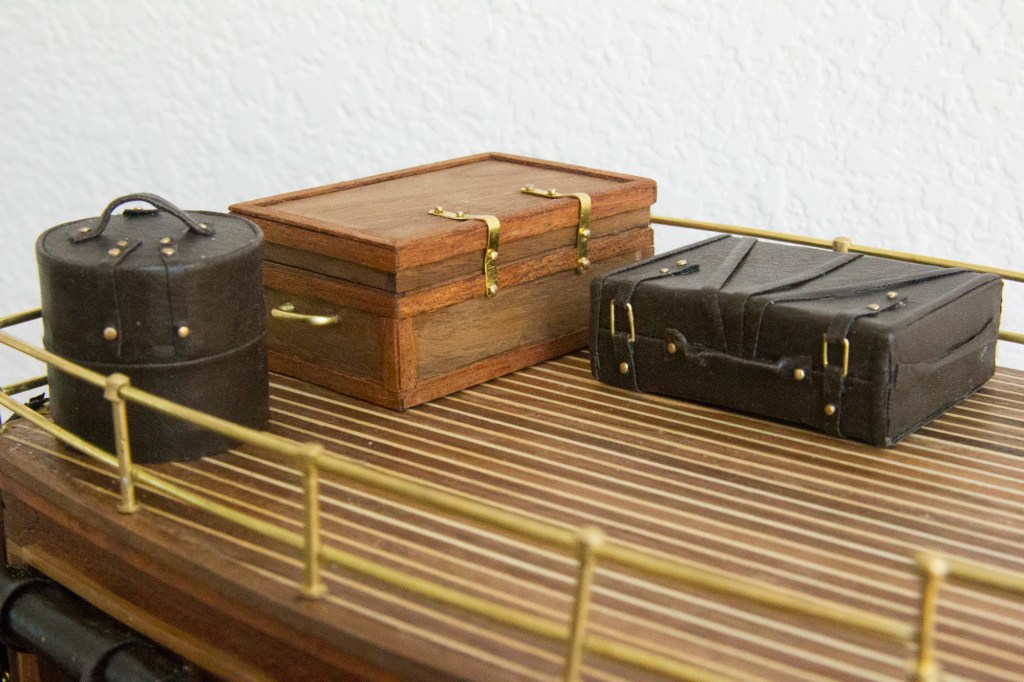
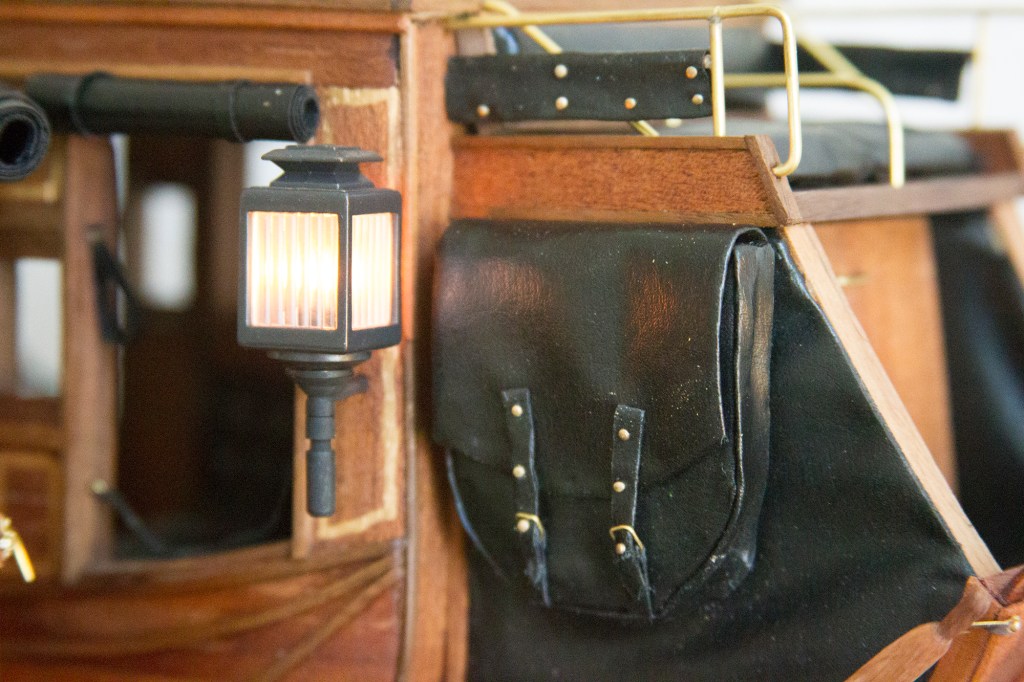
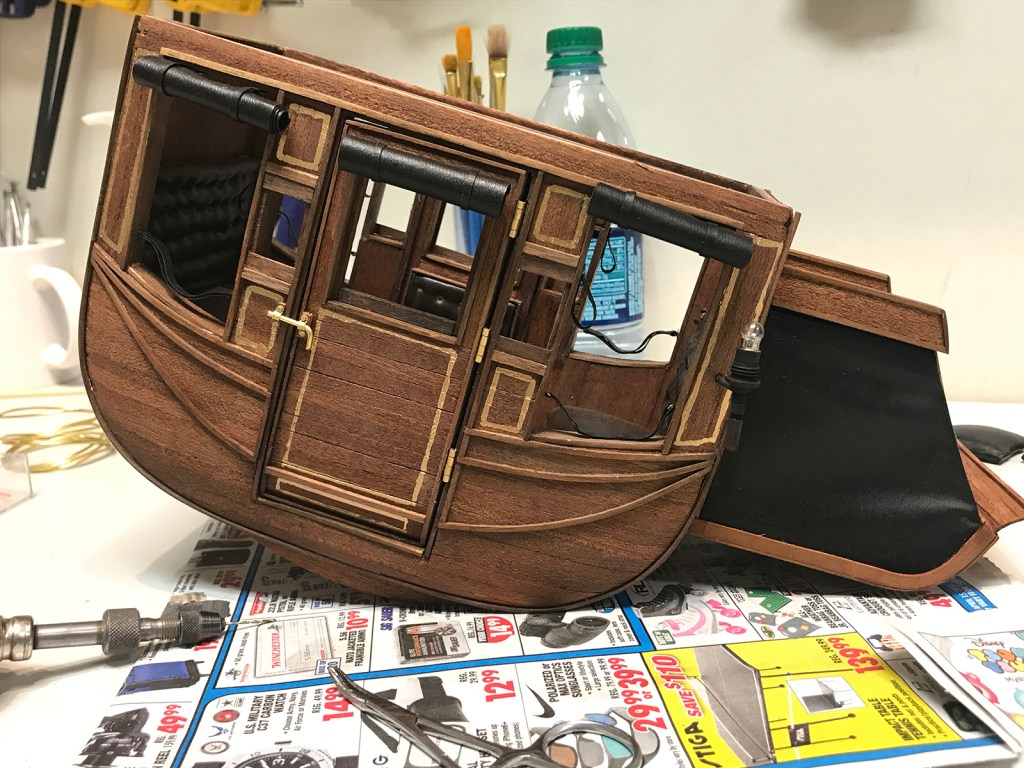
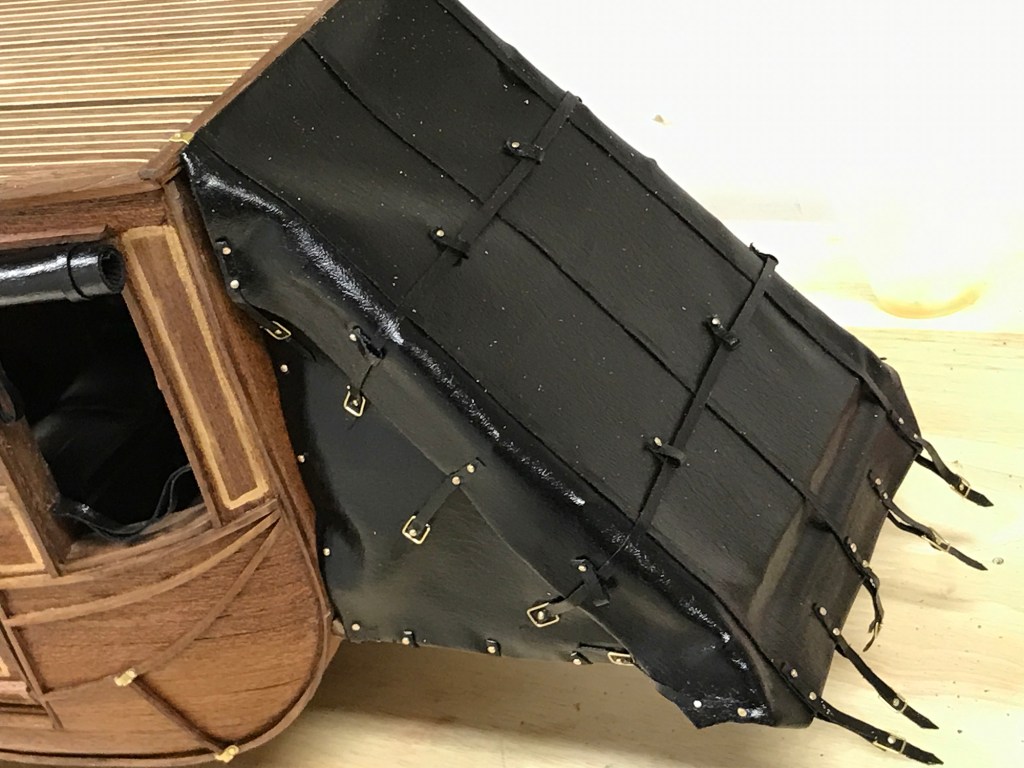
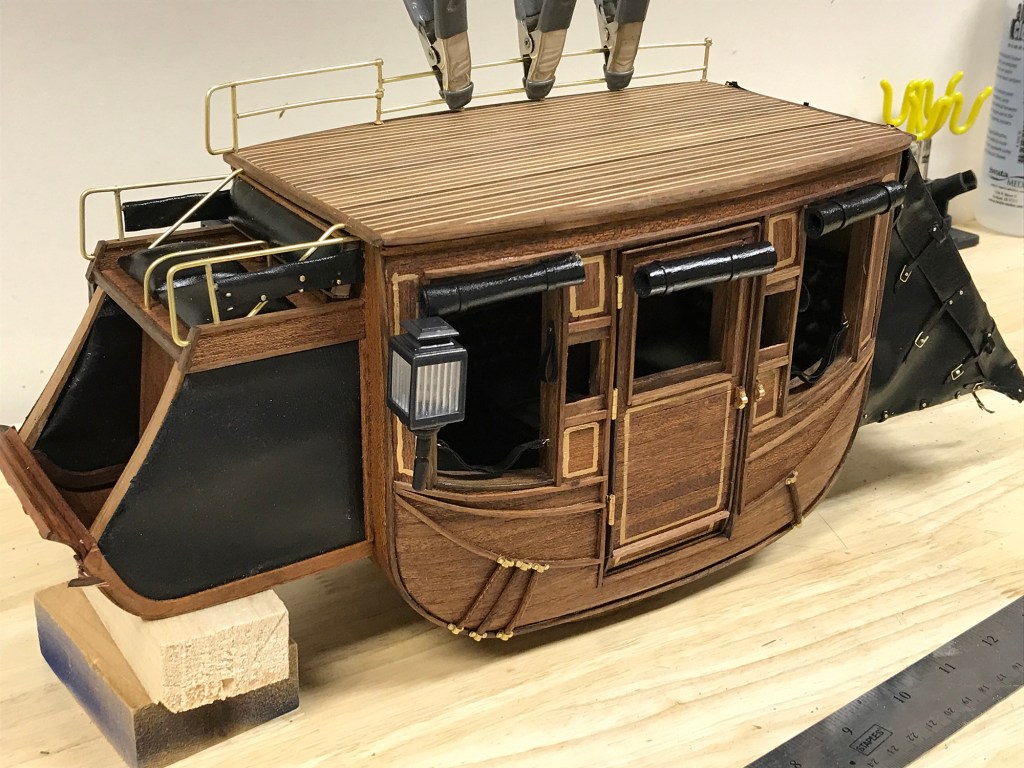
1848 StageCoach

I decided to take a short break from building ships between finishing the US Frigate Confederacy and starting the HMS Pegasus.

A few years ago, our family took a road trip from Colorado to Washington state. We stopped at a great little western museum in Montana where my wife saw a beautiful little state coach replica that she fell in love with.  That following Christmas, I picked up a stagecoach kit that I promised to build for her.

That kit sat on the shelf for a few years, until I finally committed to finishing it the beginning of 2017.

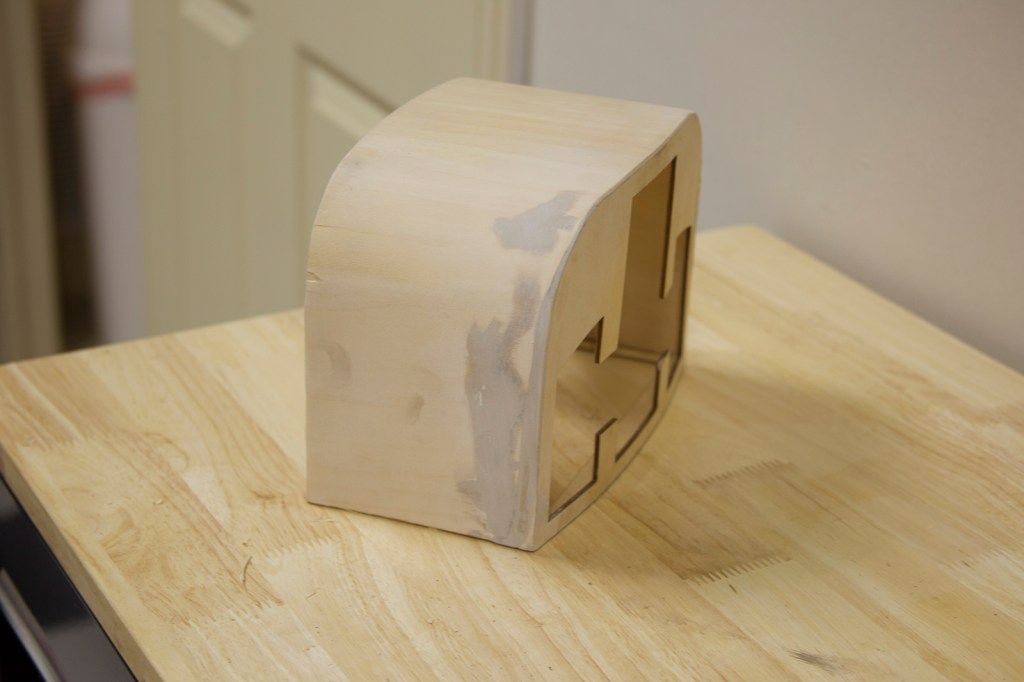
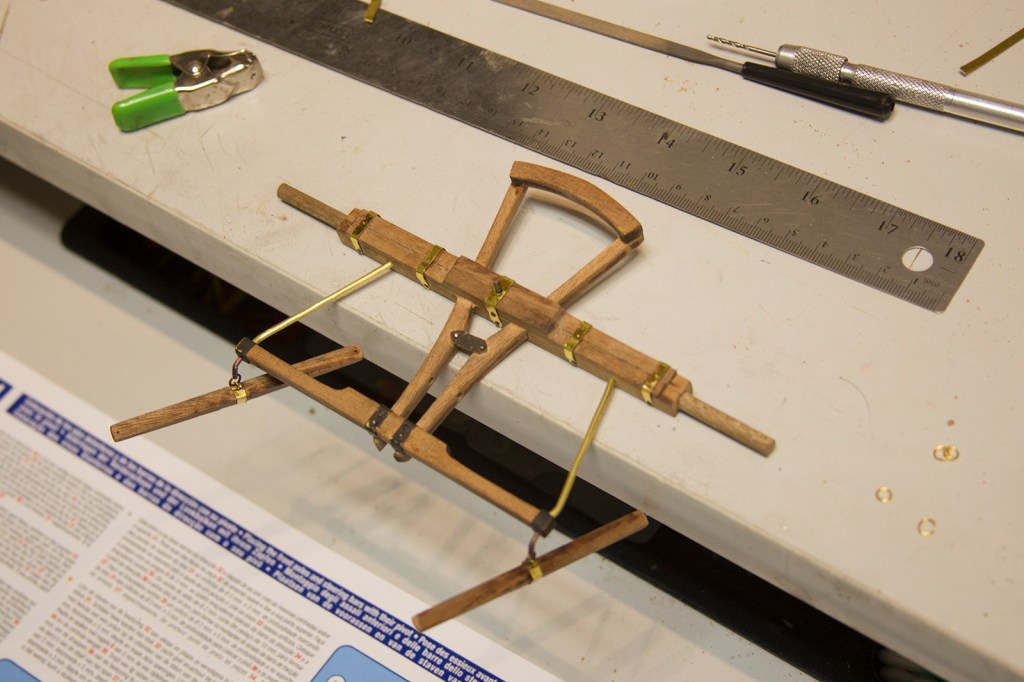
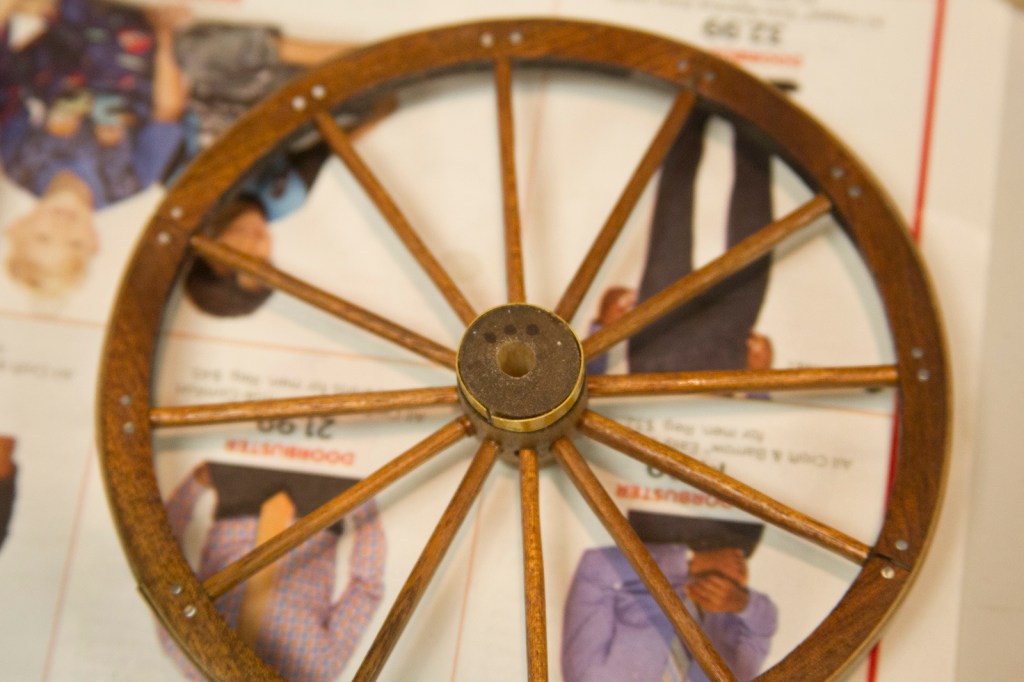
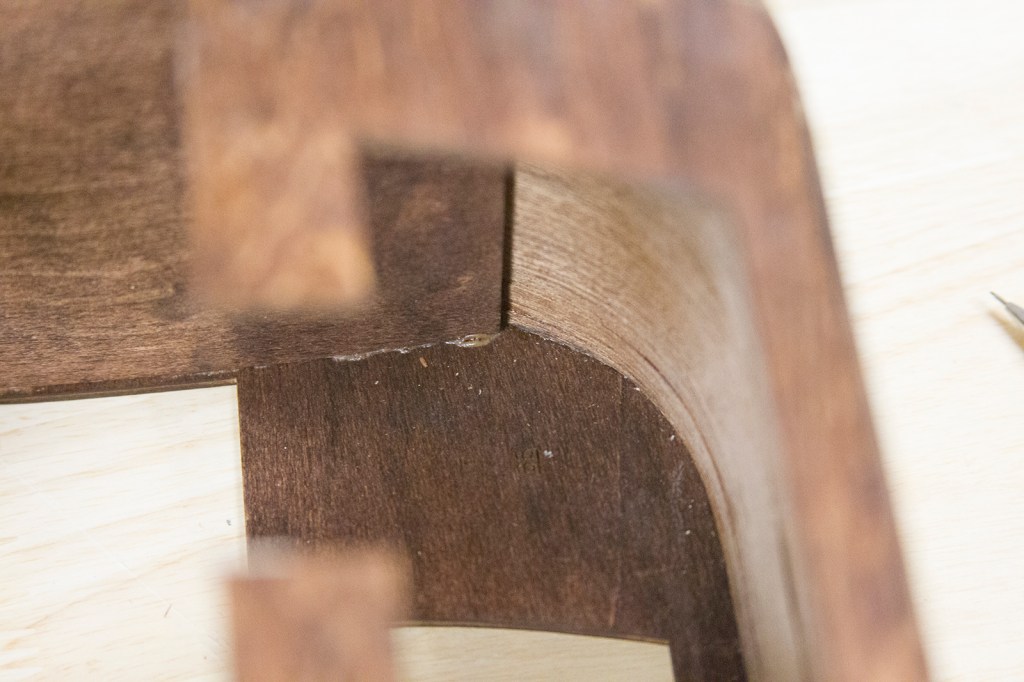
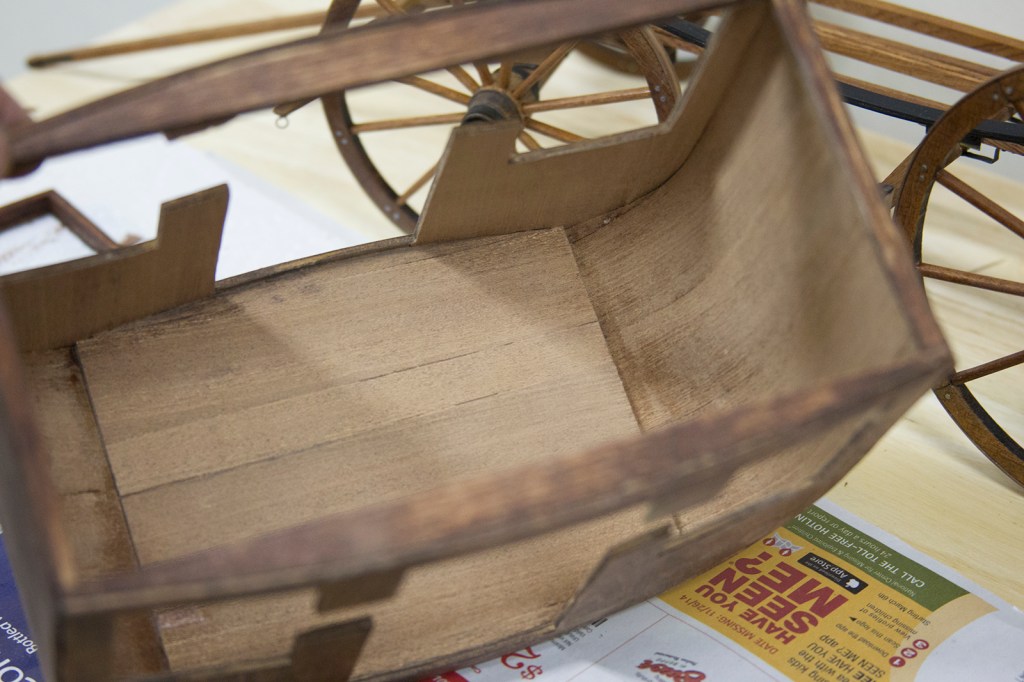
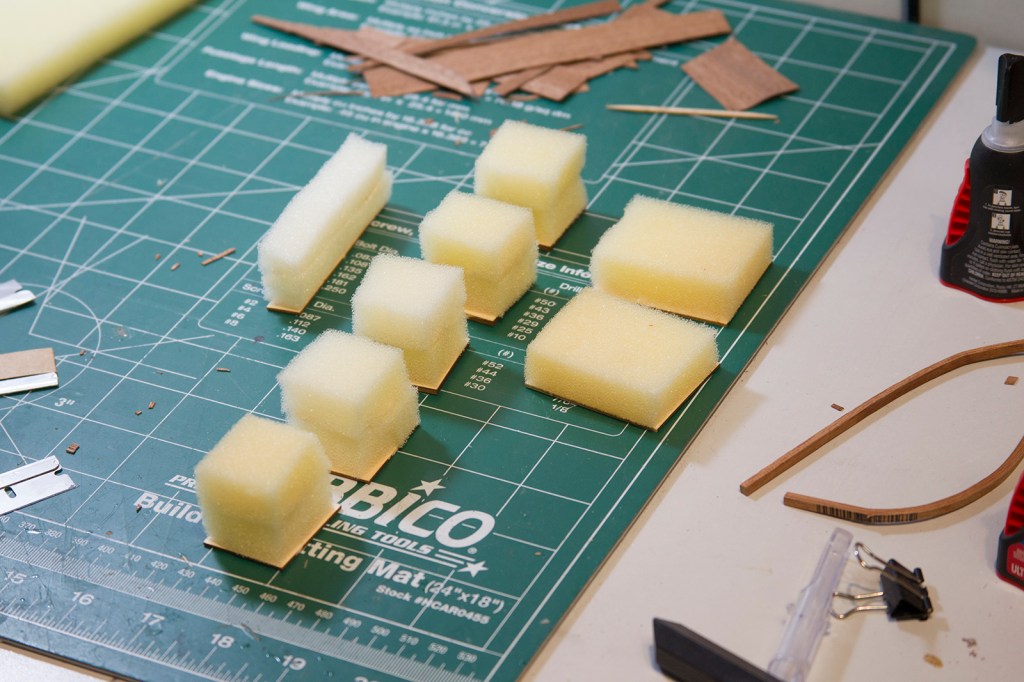
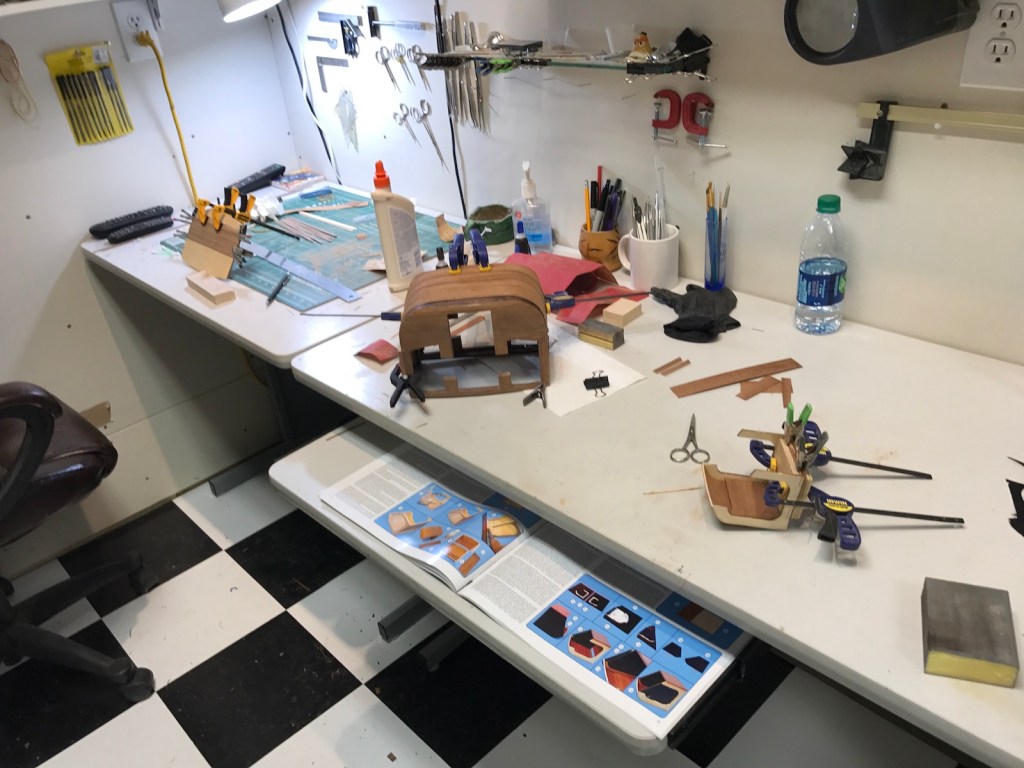
After successfully transitioning the “Shipyard” in to an old west manufacturing plant, I got underway with this Artesania Latina 1/10th scale version of a stagecoach.

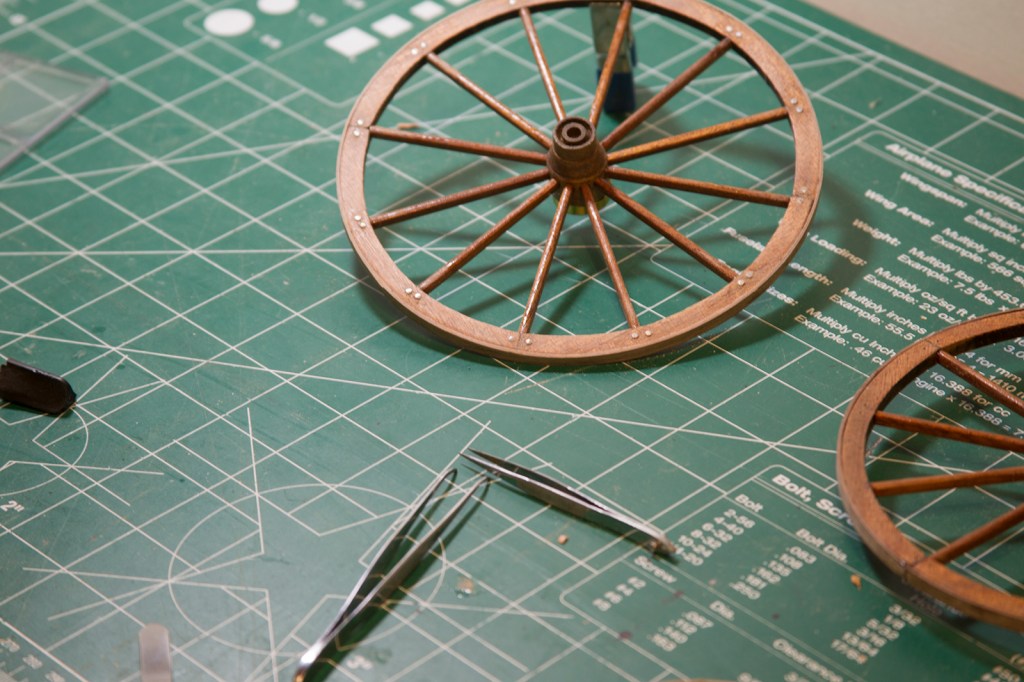
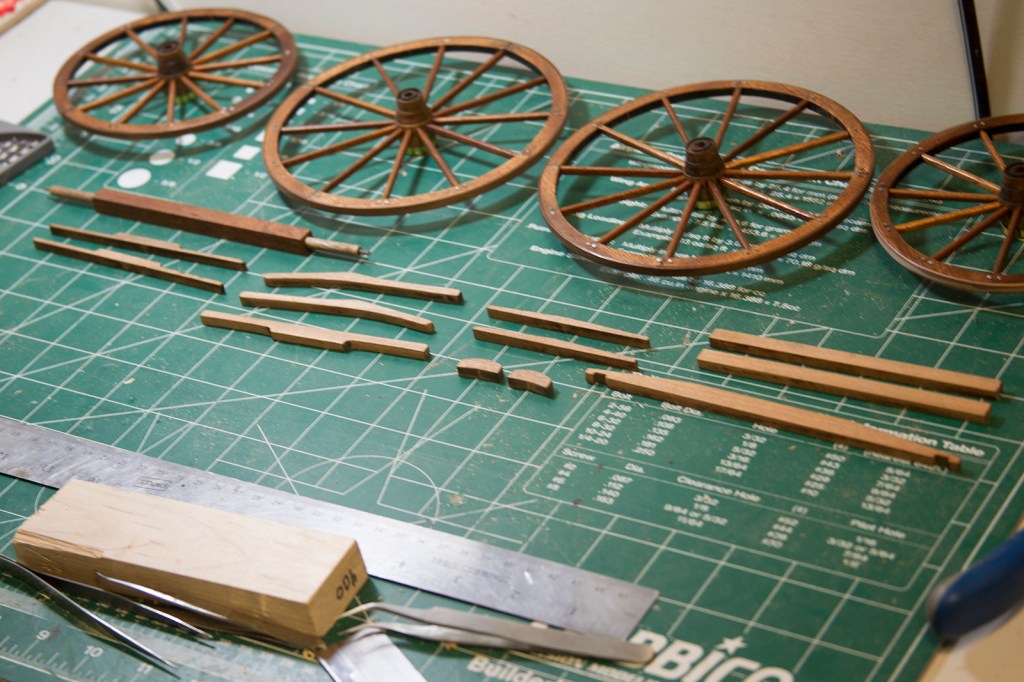
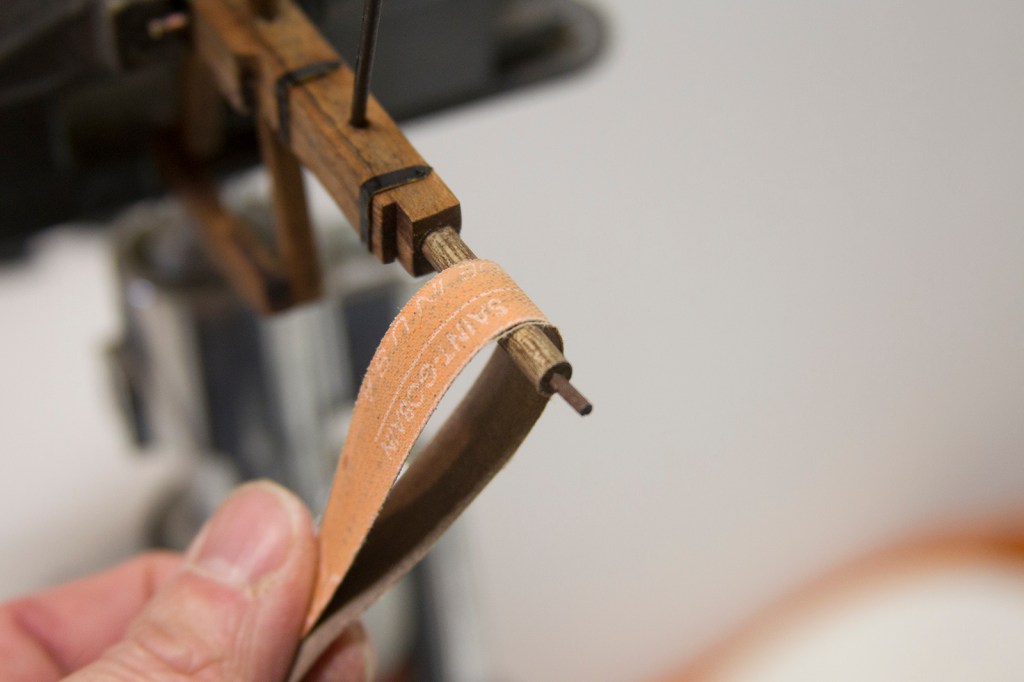
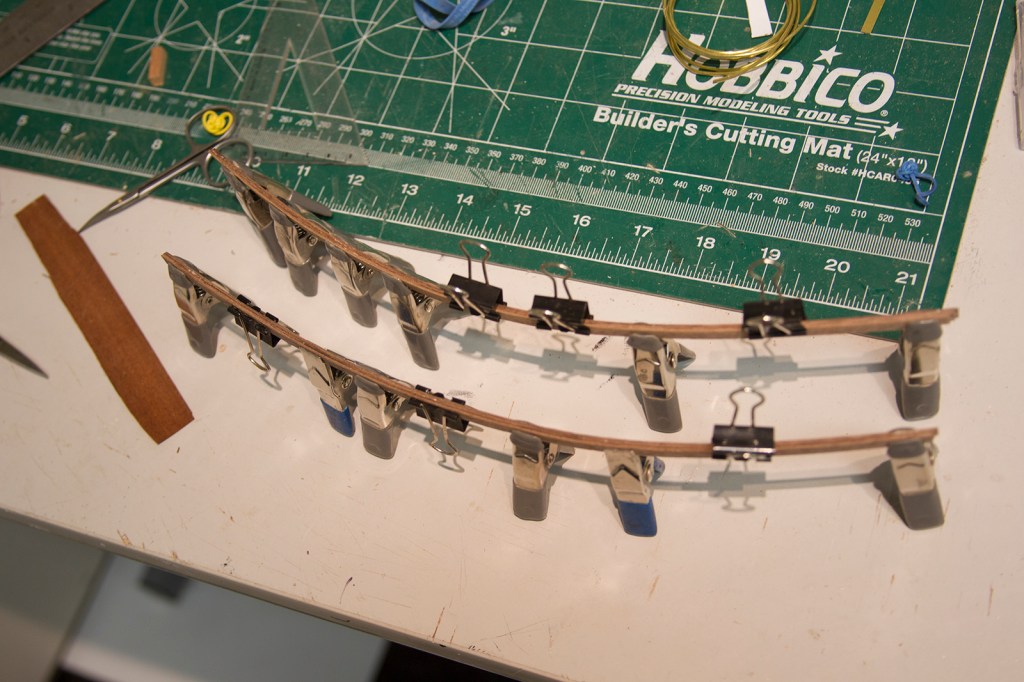
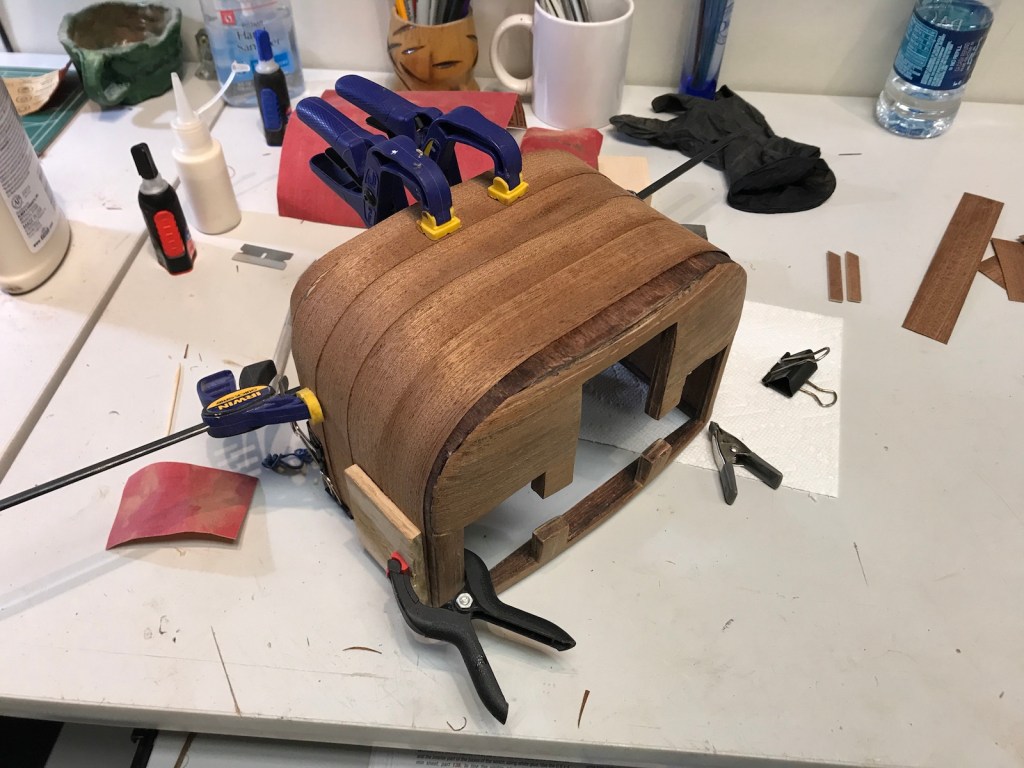
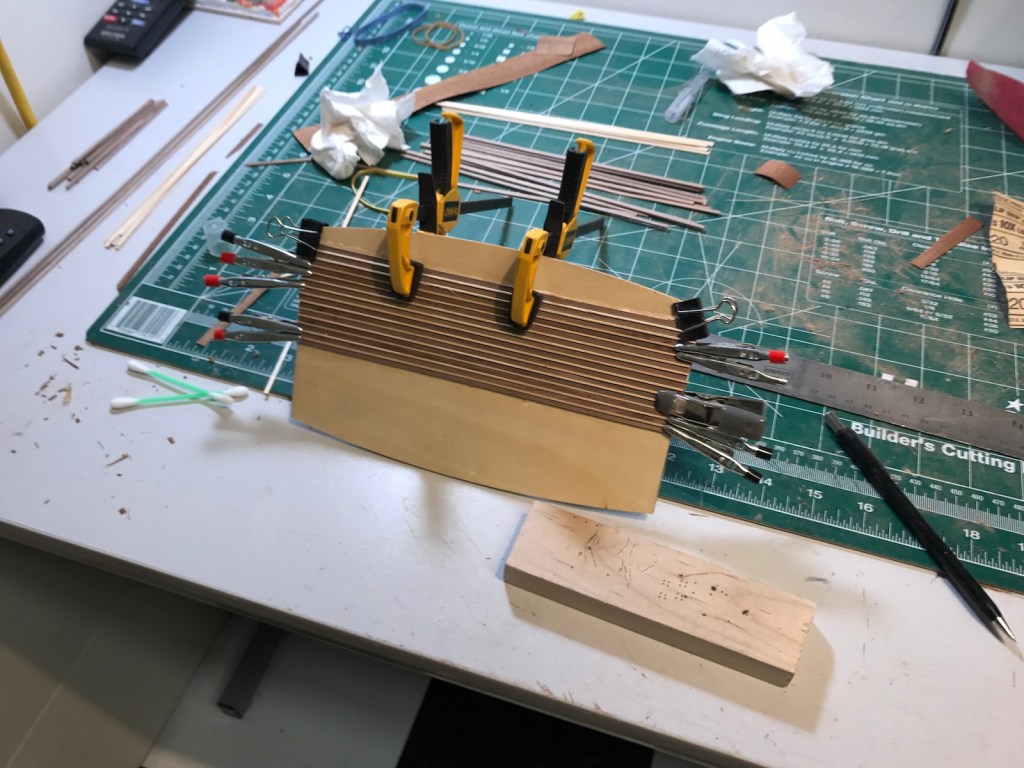
While the kit itself has come good pieces to it – the wood is pretty dried and brittle and difficult to work with. I’ve had to substitute a fair amount of pieces and come up with a number of “work arounds.”

Completed Stagecoach

Build Photos

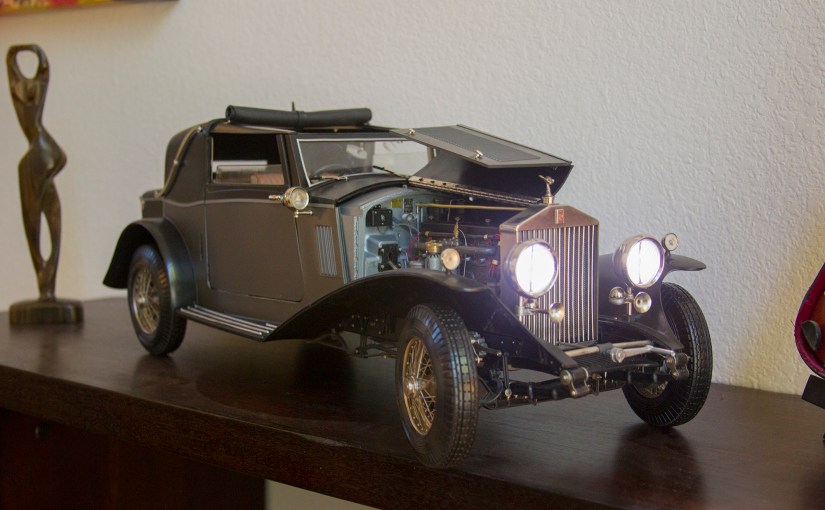
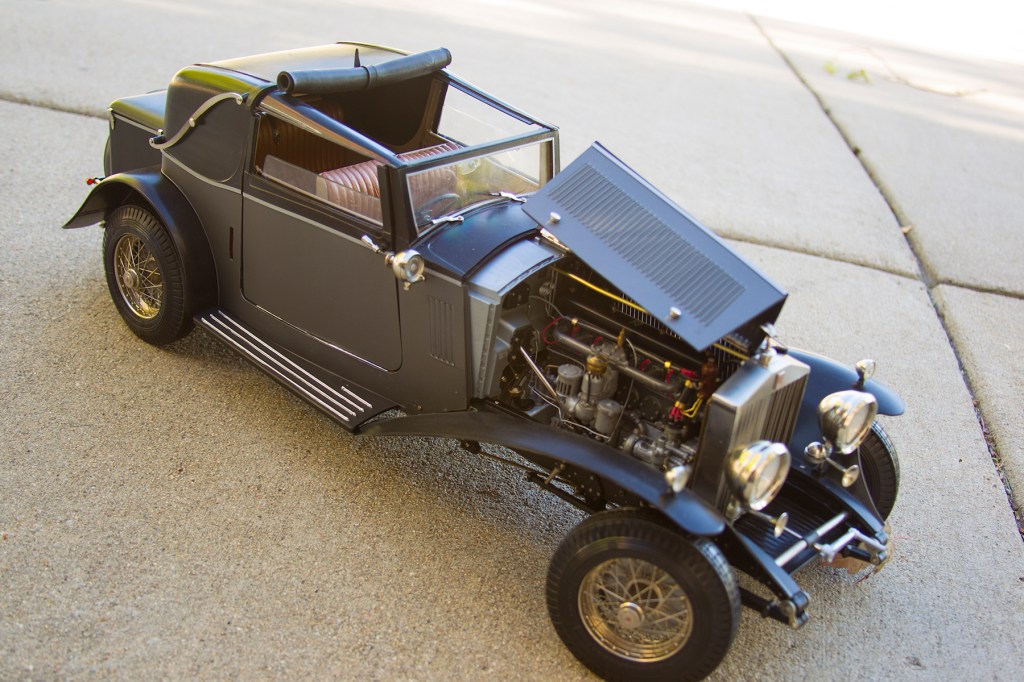
1932 Rolls Royce

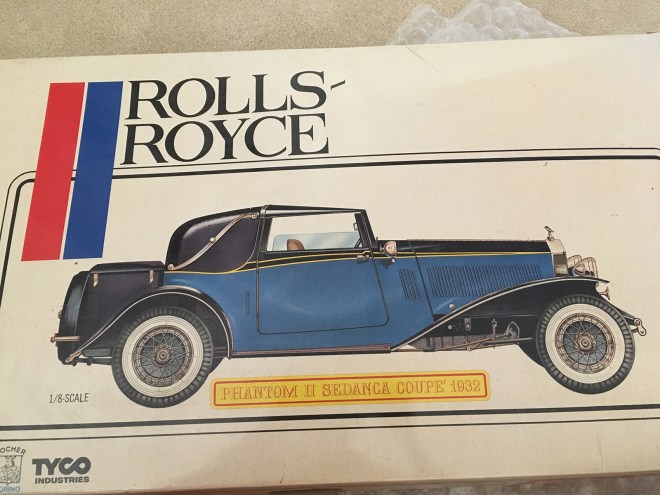
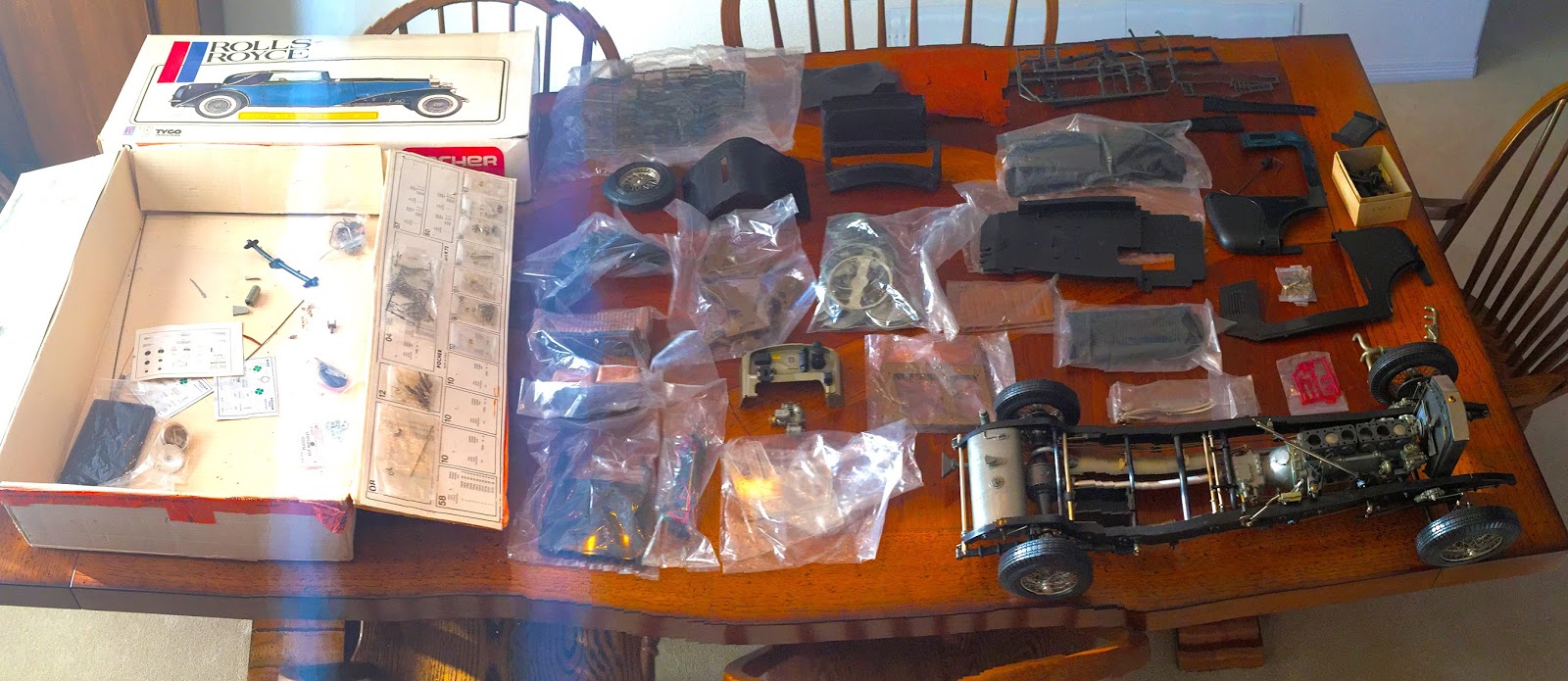
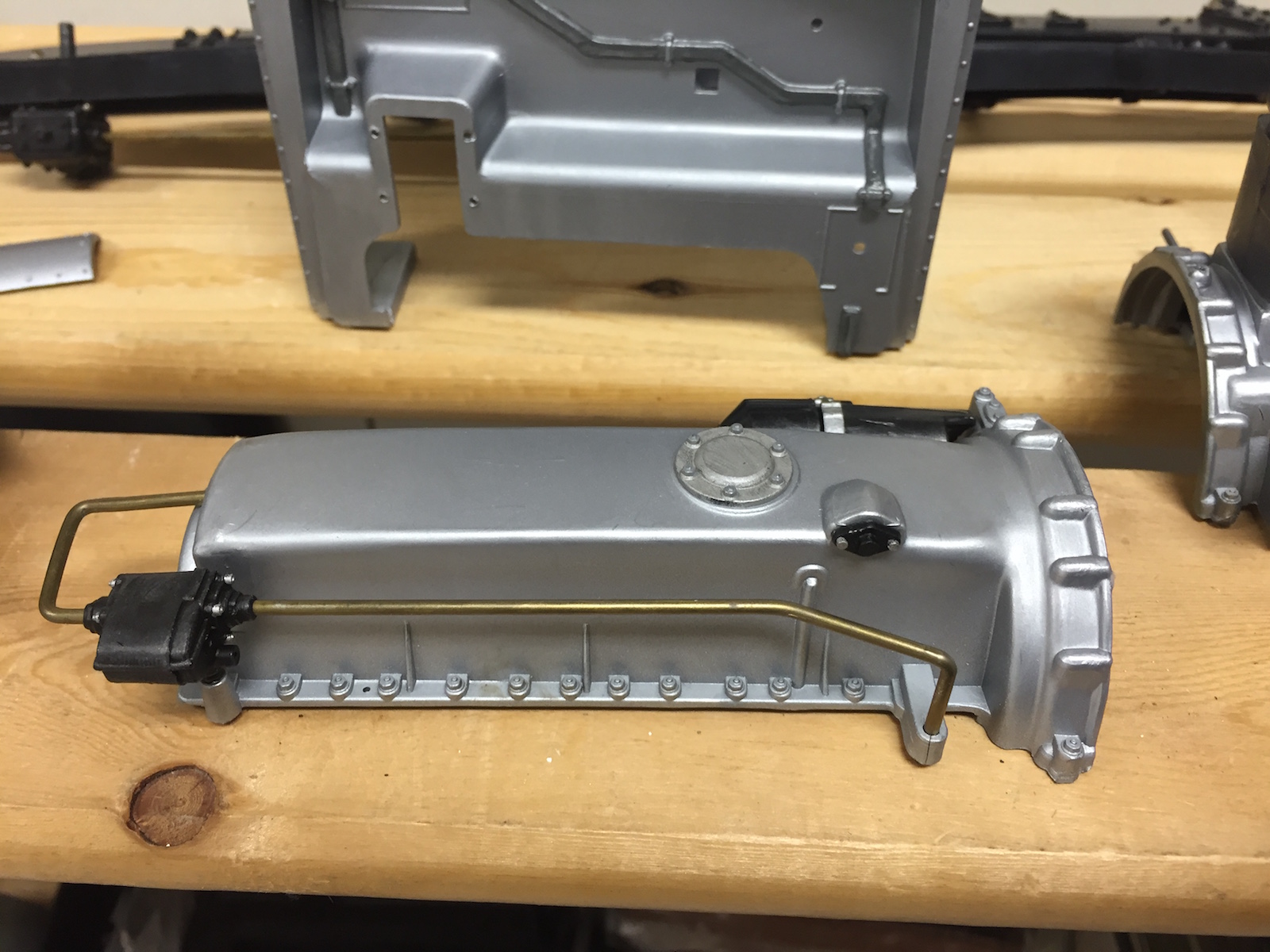
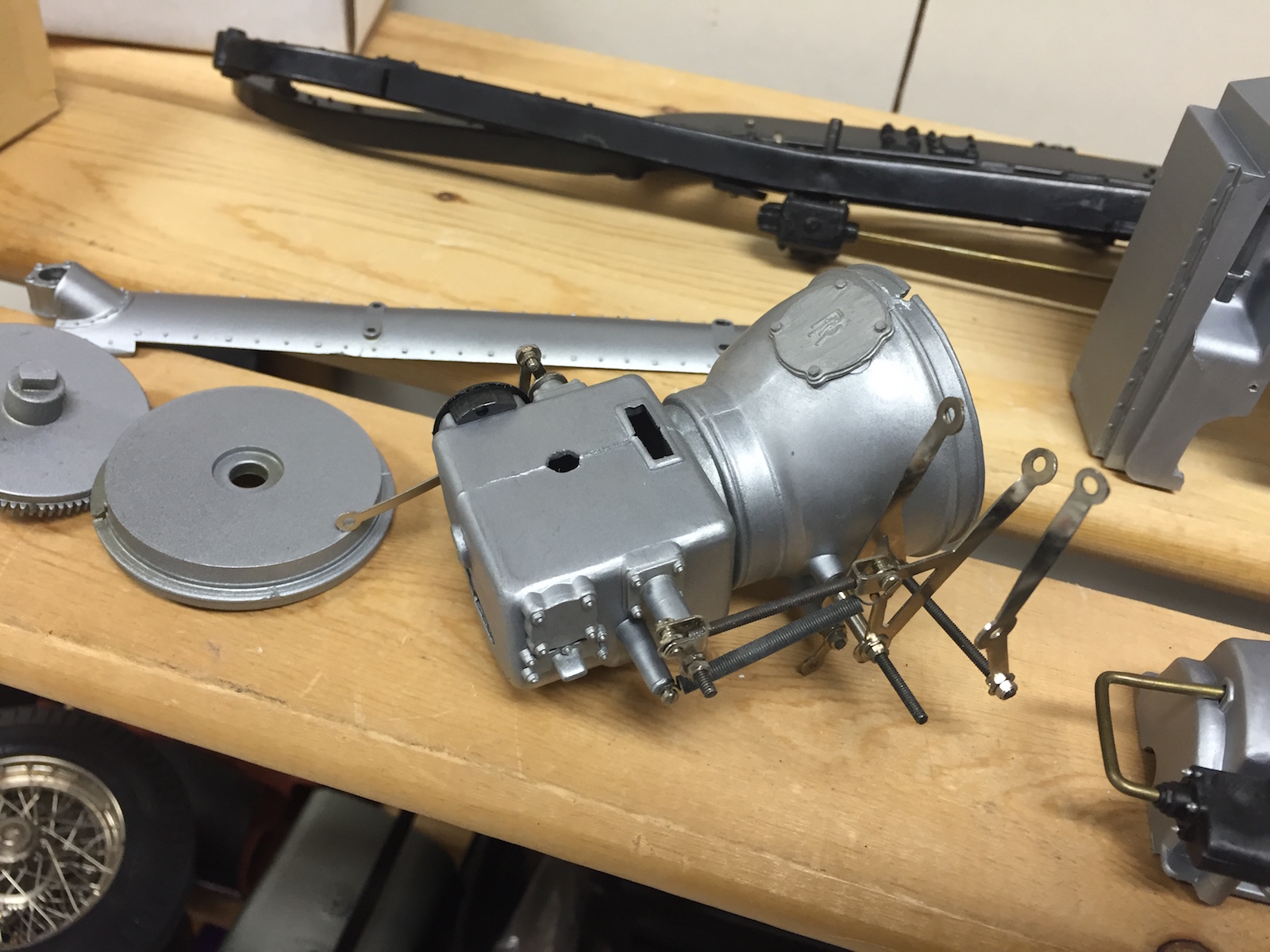
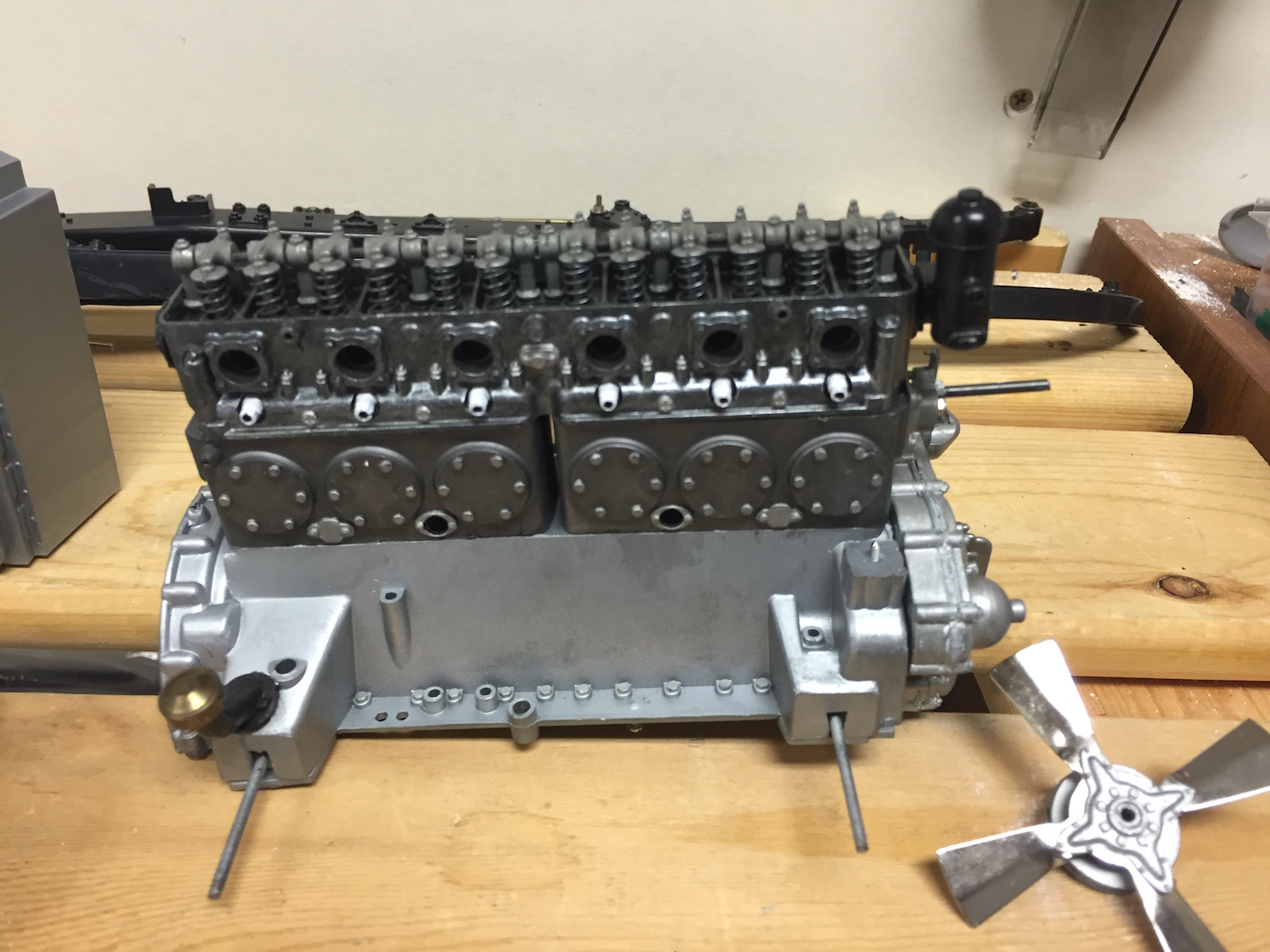
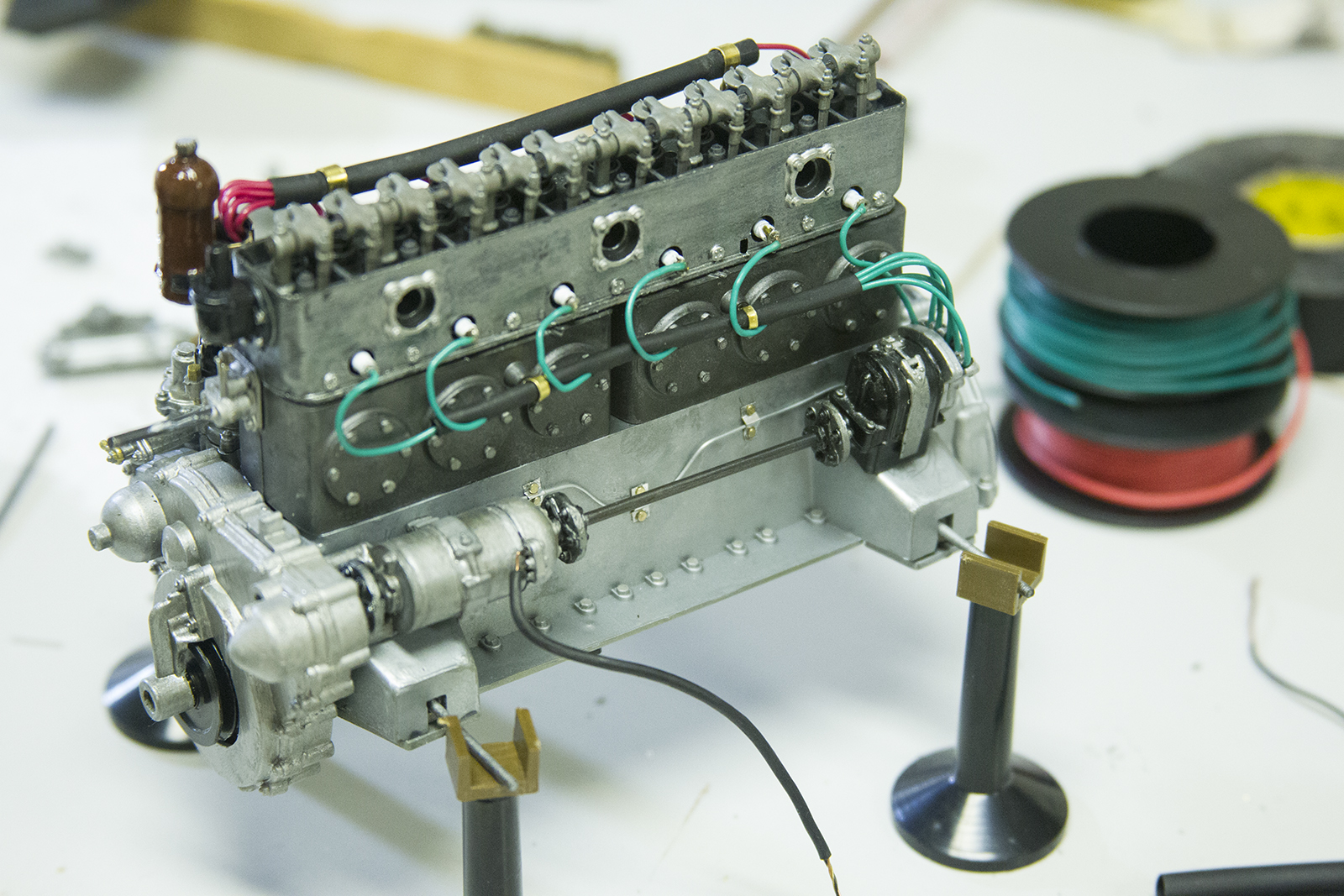
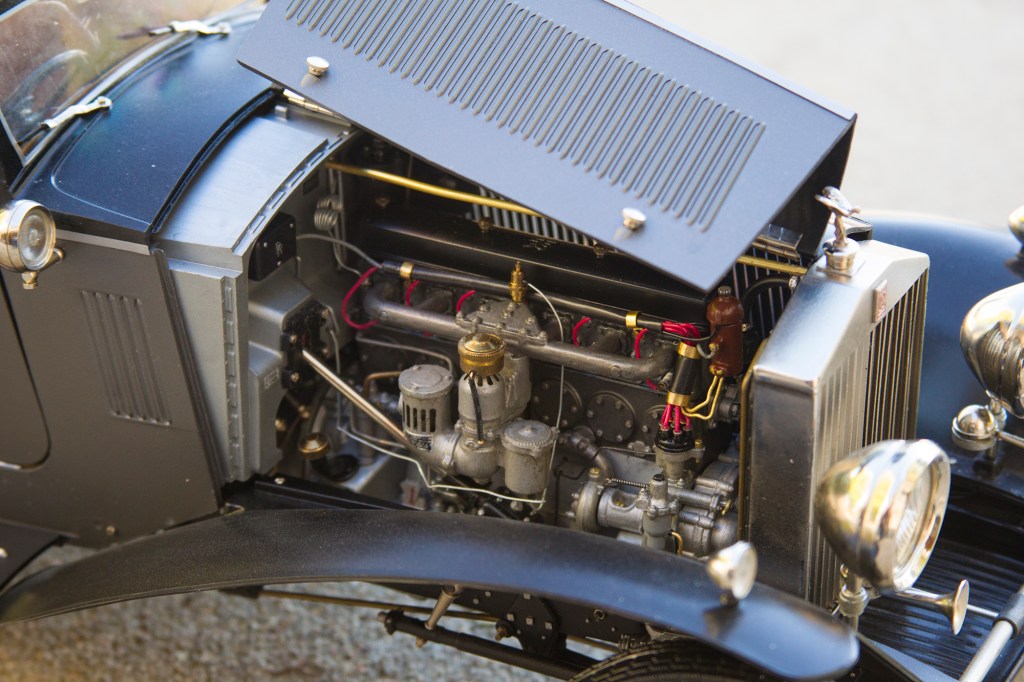
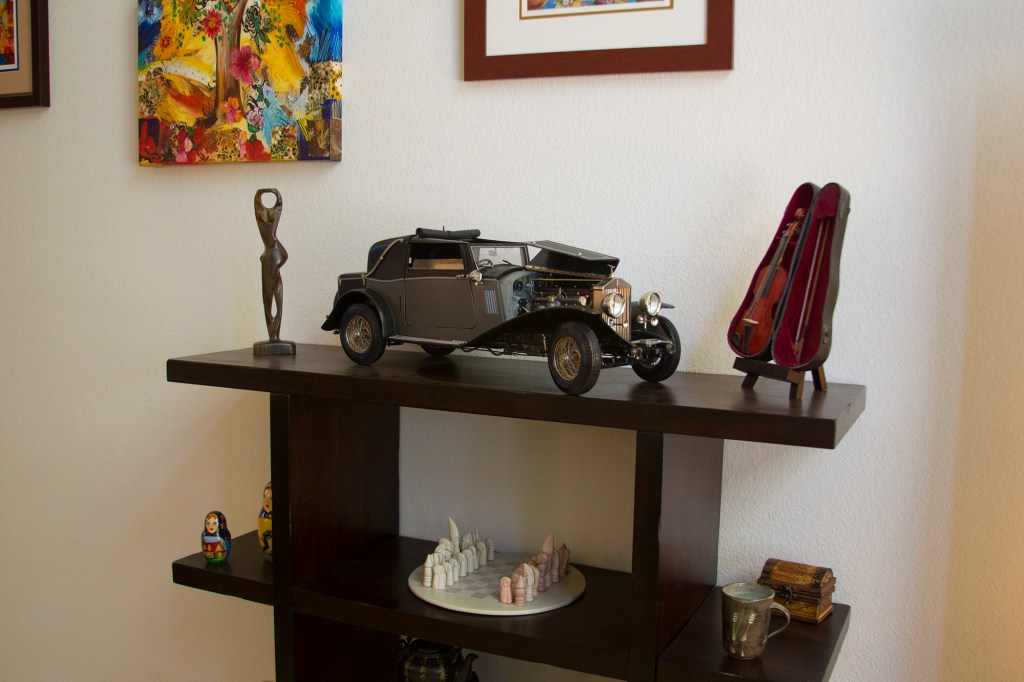
Pocher Models are some of the highest rated, most detailed models on the market. The company essentially began in 1966 when Arnaldo Pocher introduced a 1:8 scale model of the Fiat F2 130HP. The Company went on to produce ever more detailed models of motoring classics that included well over 2,000 and upwards of 3,000 parts.
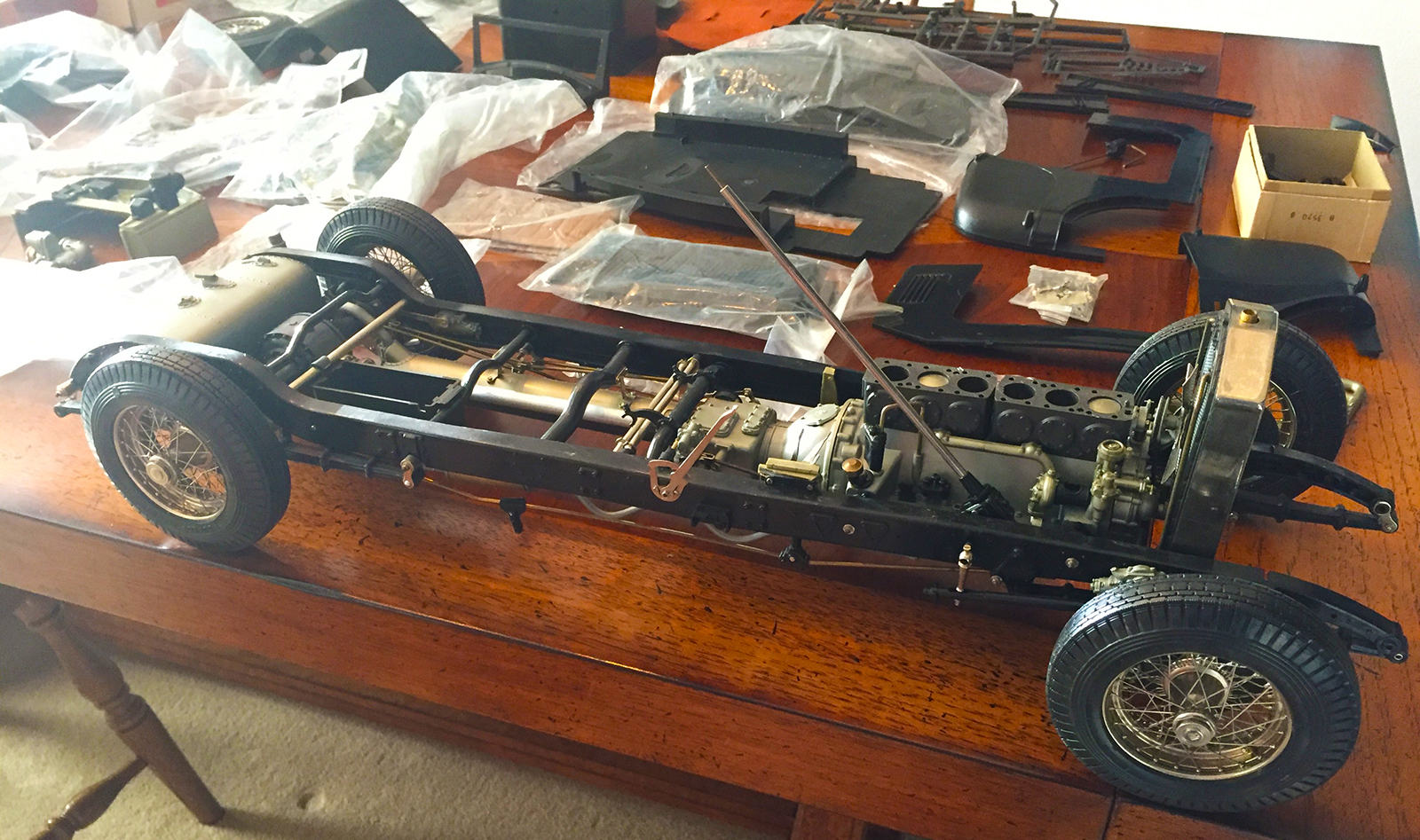
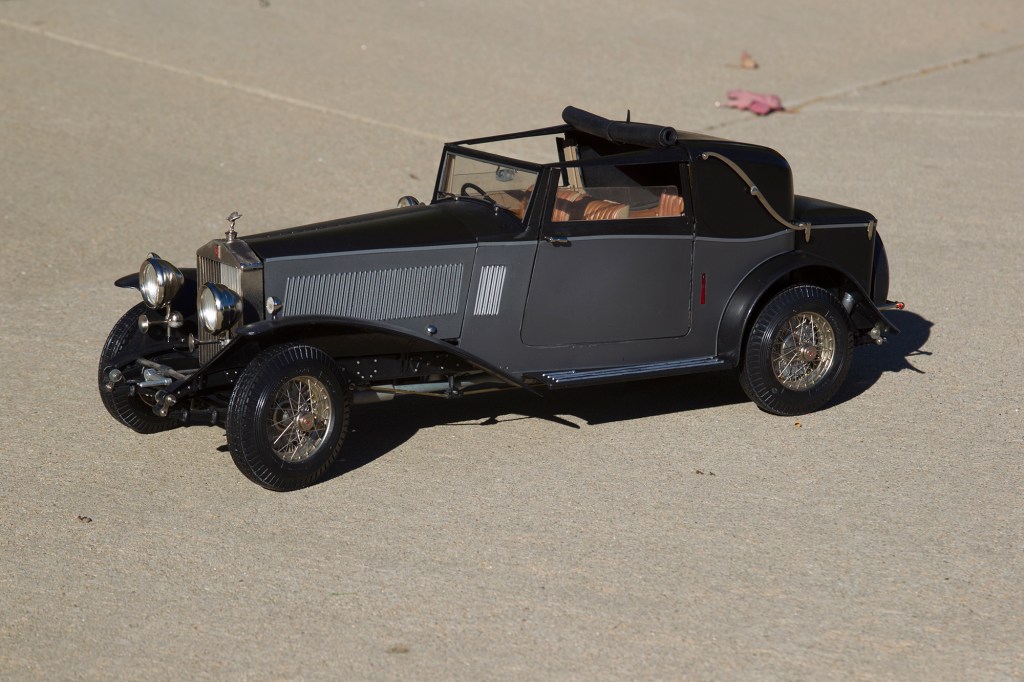
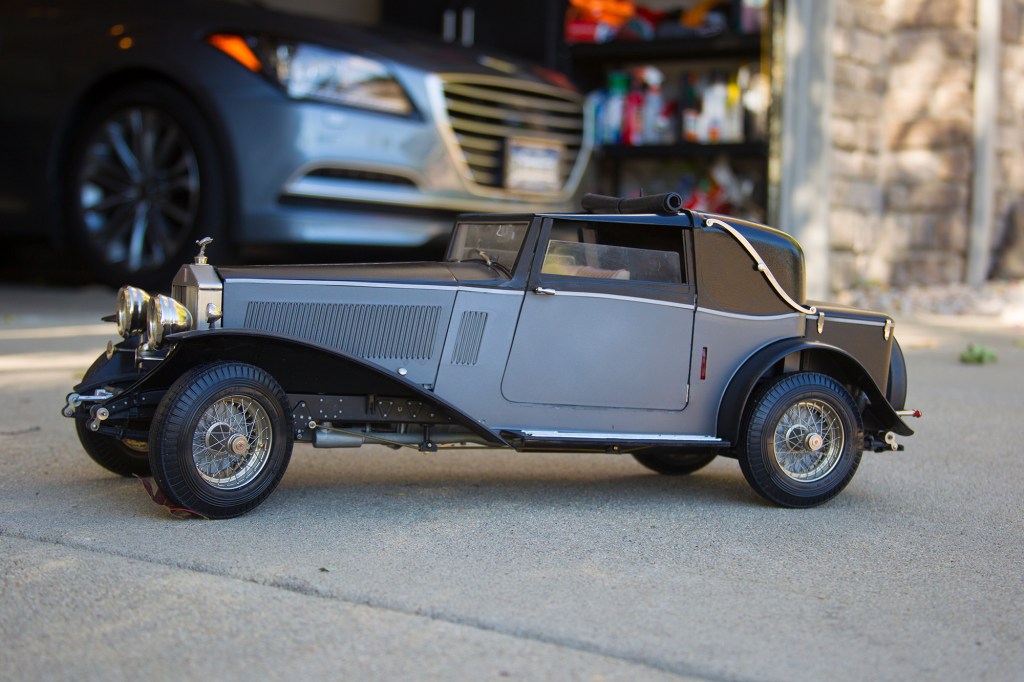
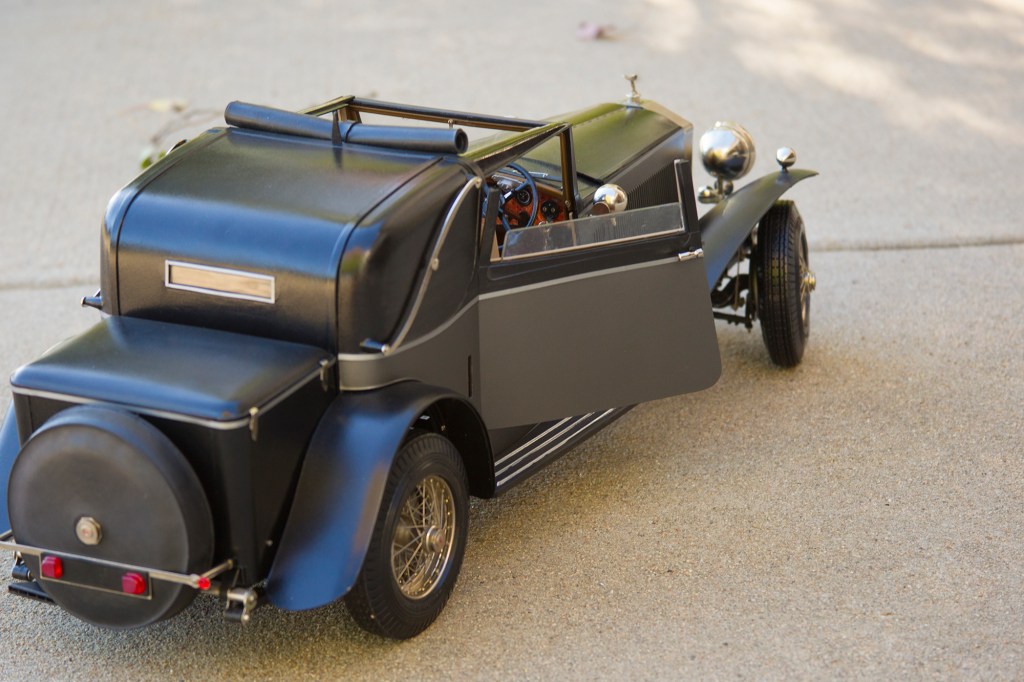
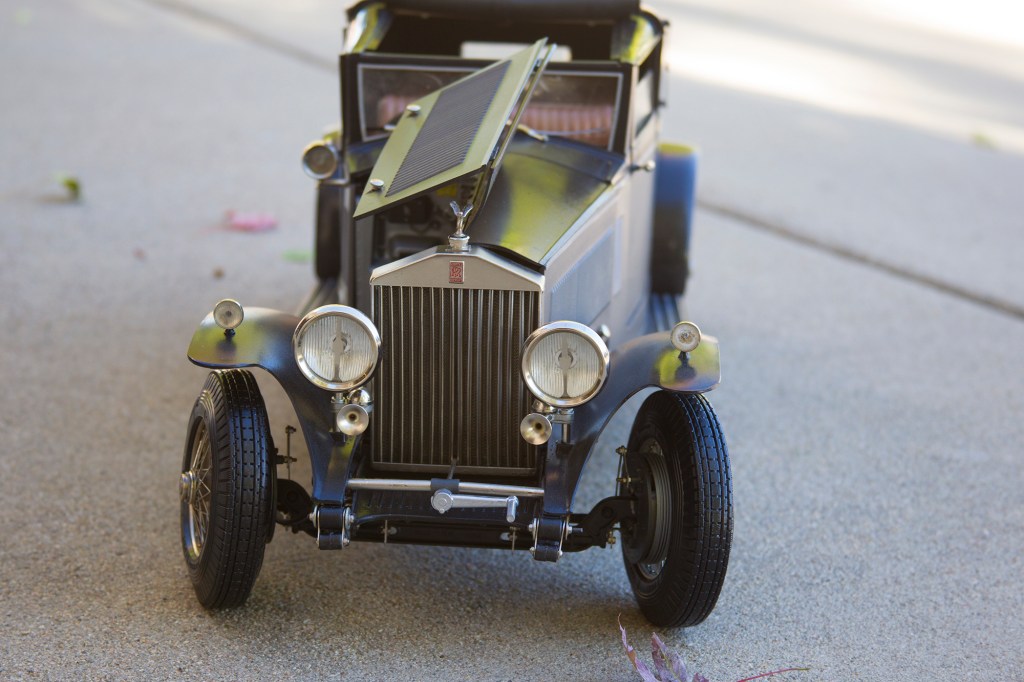
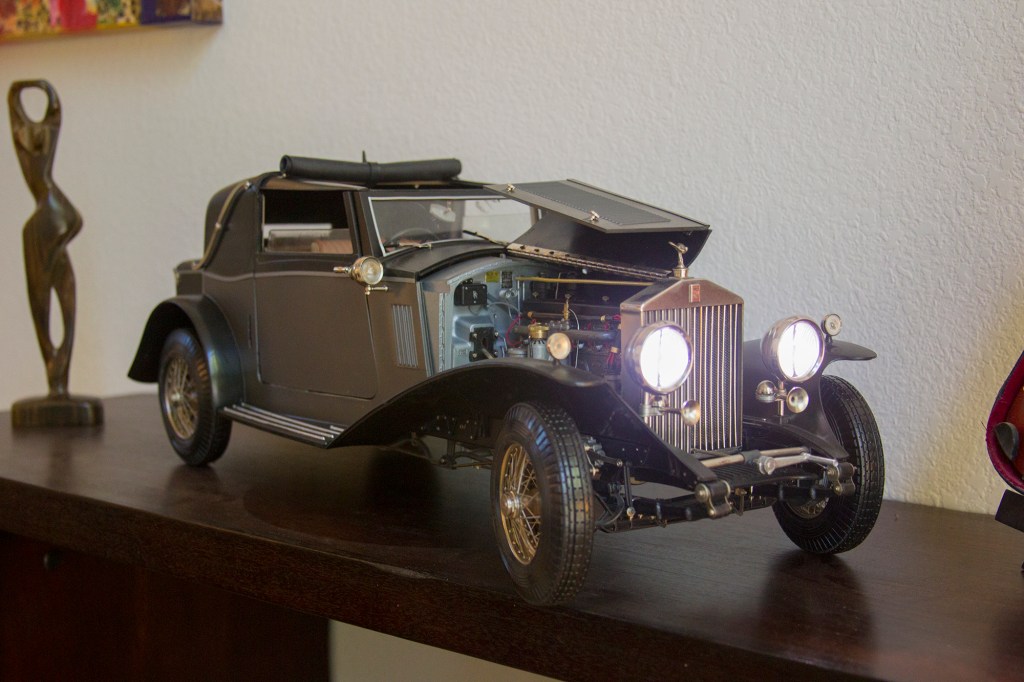
I came across this 1/8th scale 1932 Rolls-Royce Phantom II on E-bay, and decided to give it a shot. It’s by far the largest scale model I’ve put together which lends itself to some great detail – however also the possibility of being able to more clearly see errors.

The Finished Model

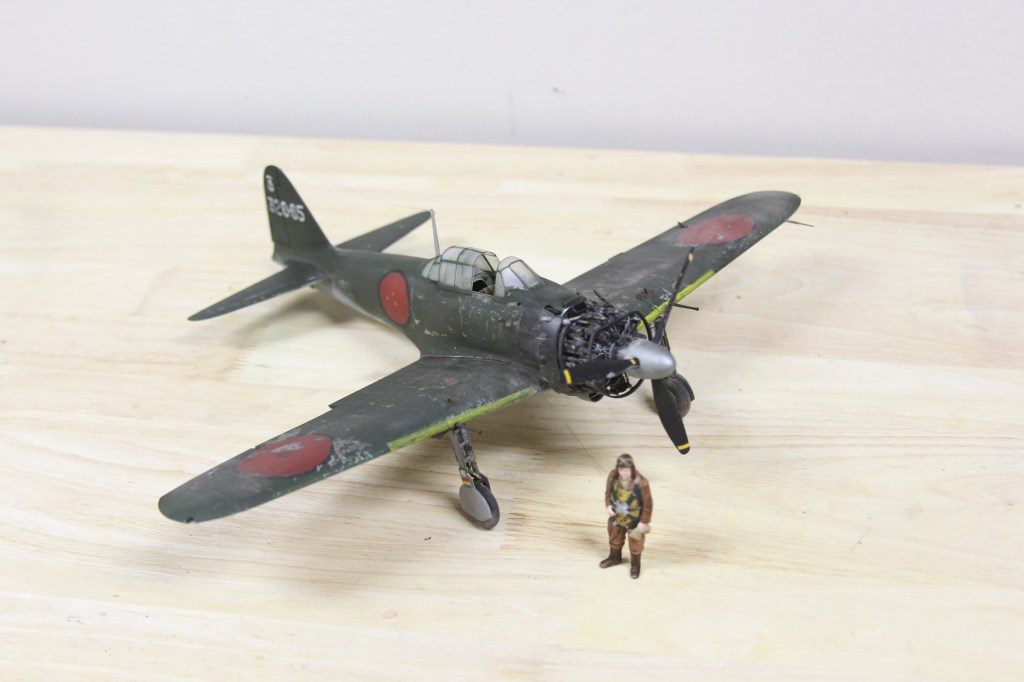
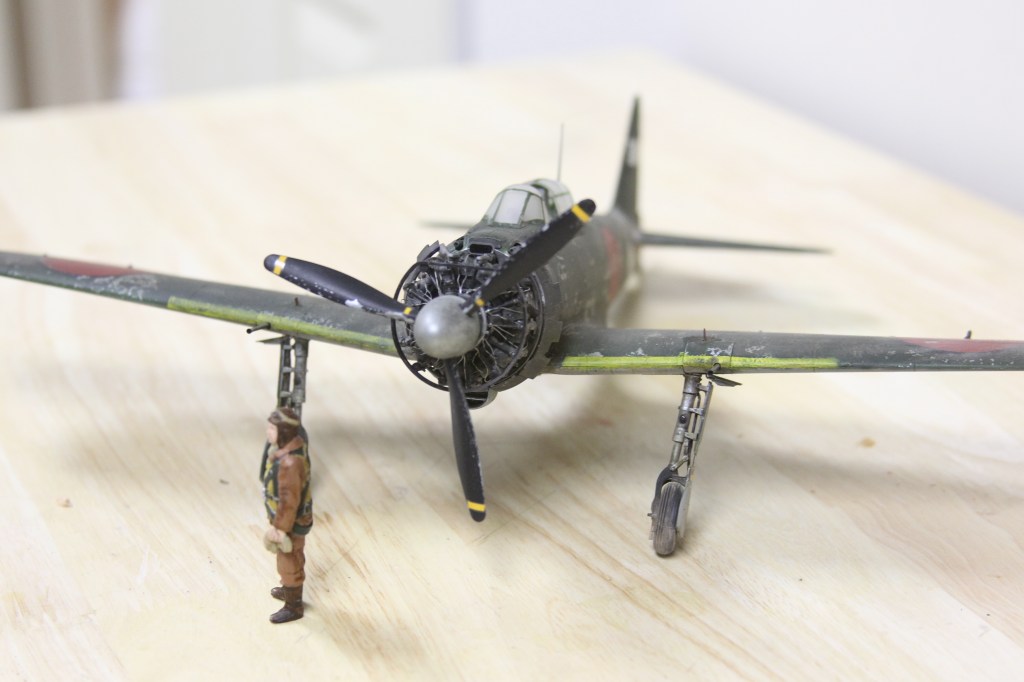
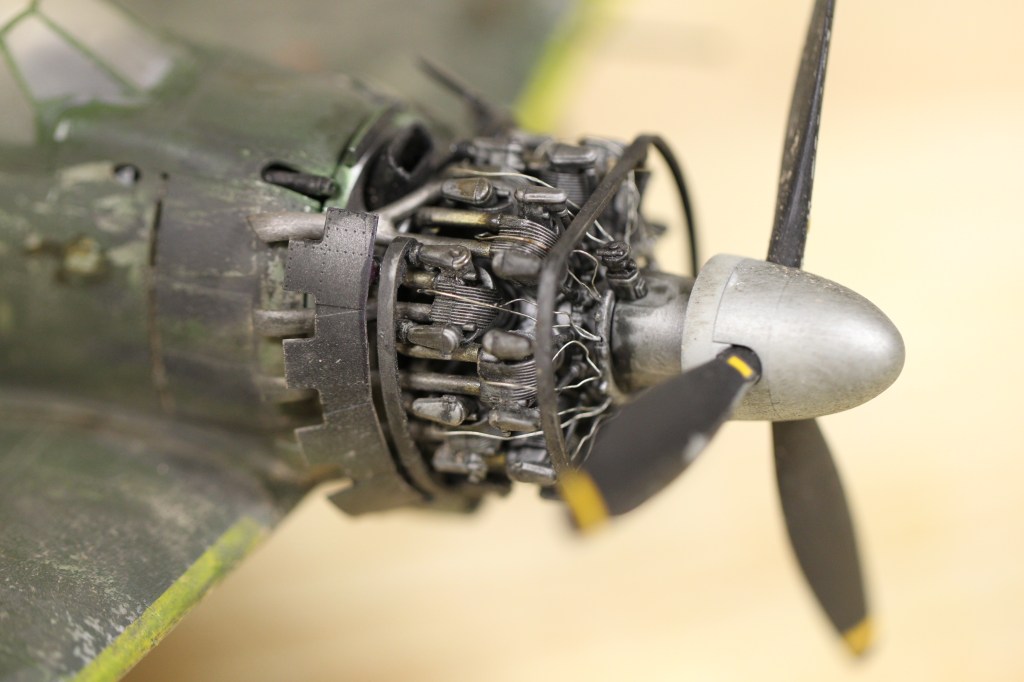
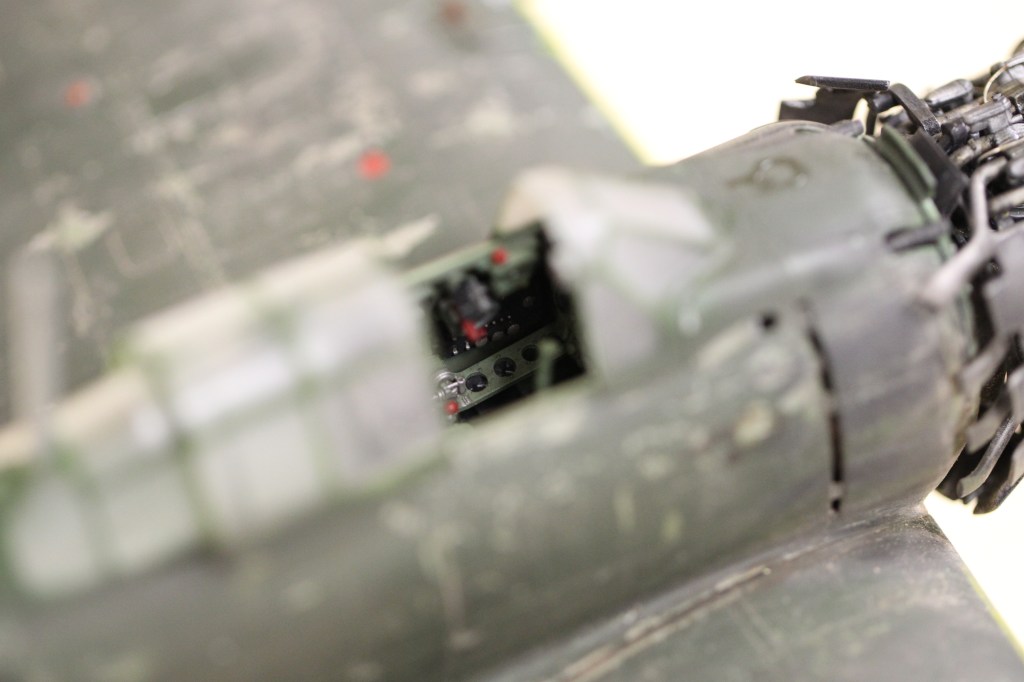
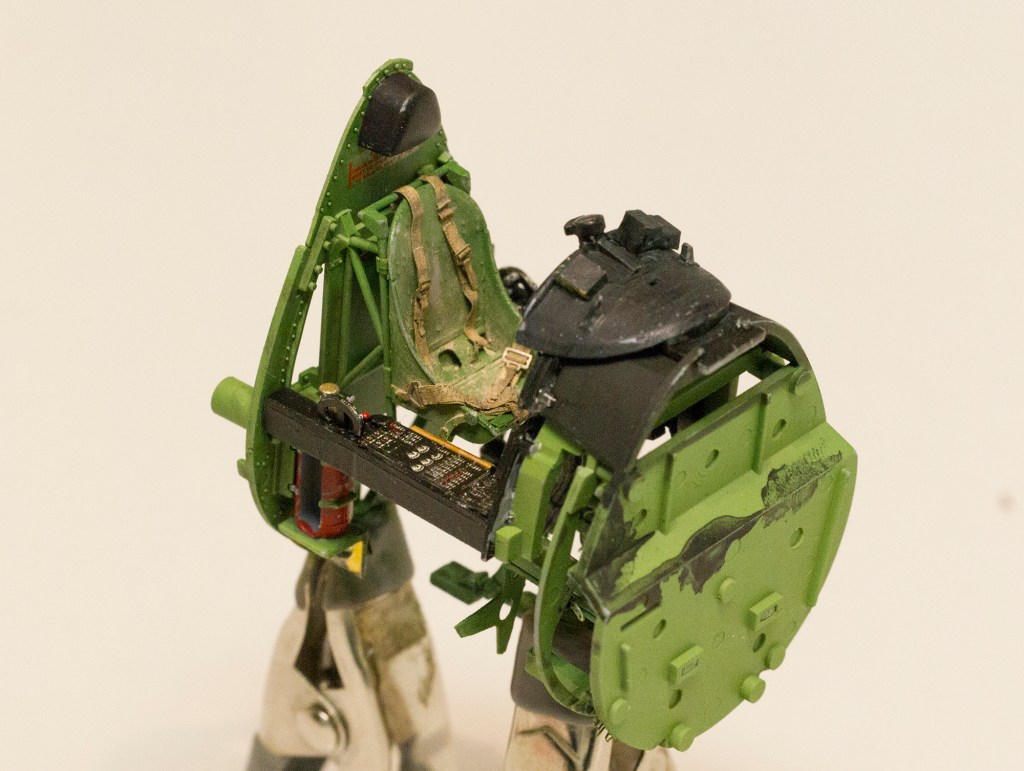
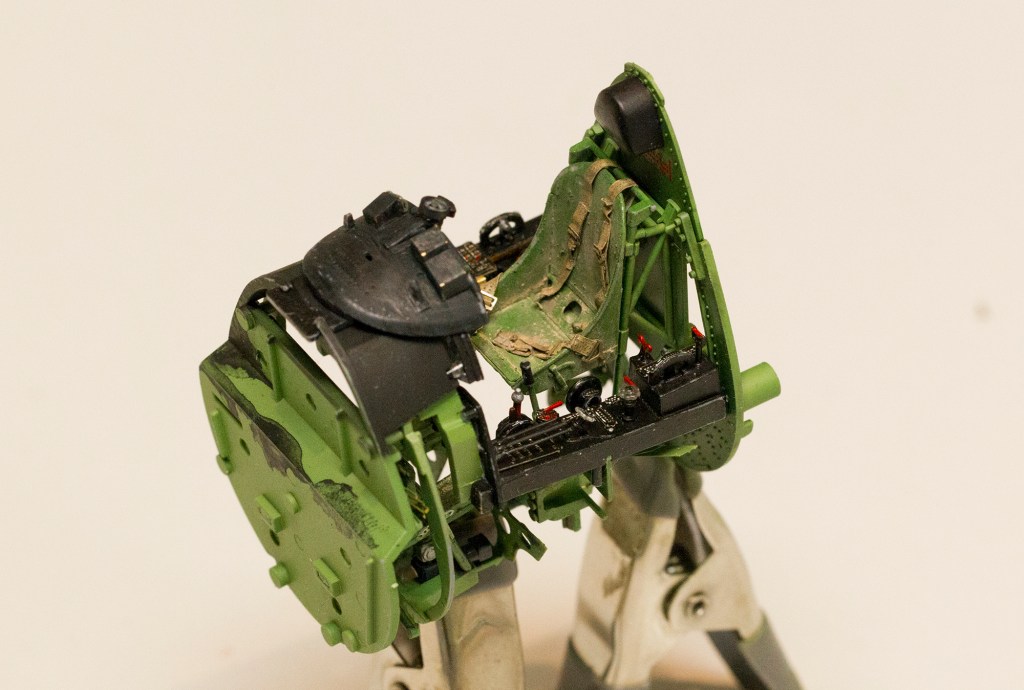
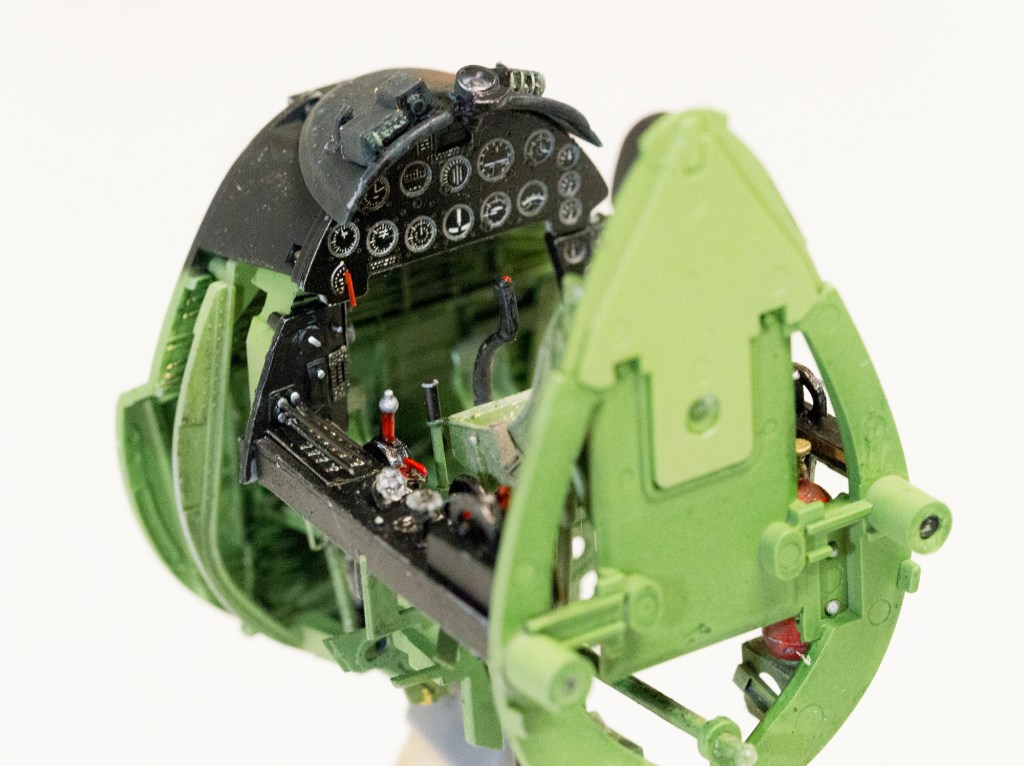
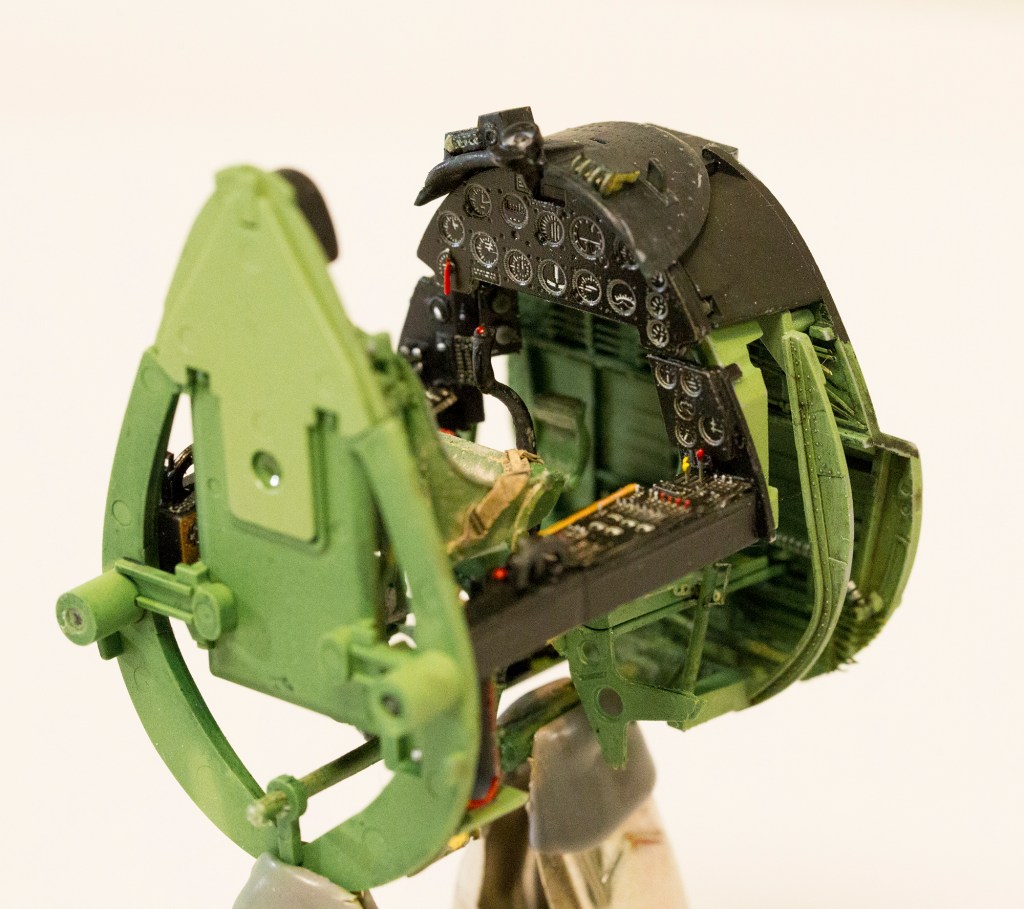
Japanese Zero Fighter

1943

In 2017 my daughter and I took a return visit to Japan so she could see where she was born. While their, we visited the Japanese museum of history, which included an amazing and insightful look at World War II from the Japanese perseptive.

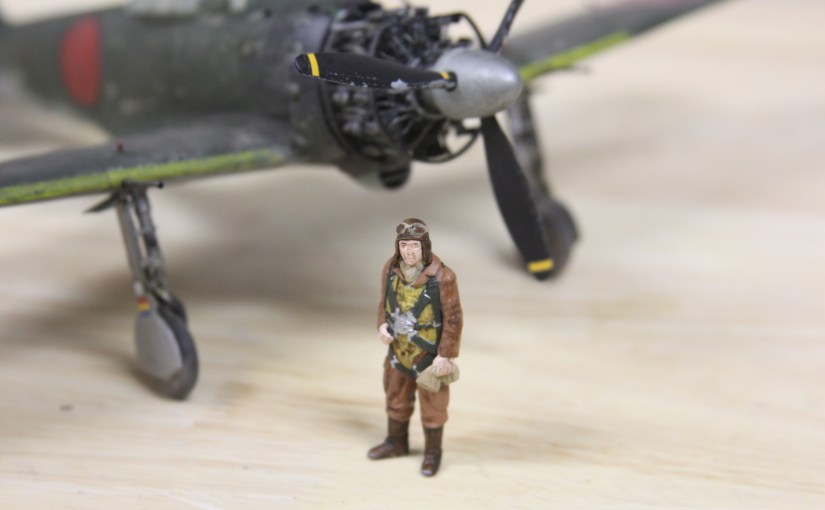
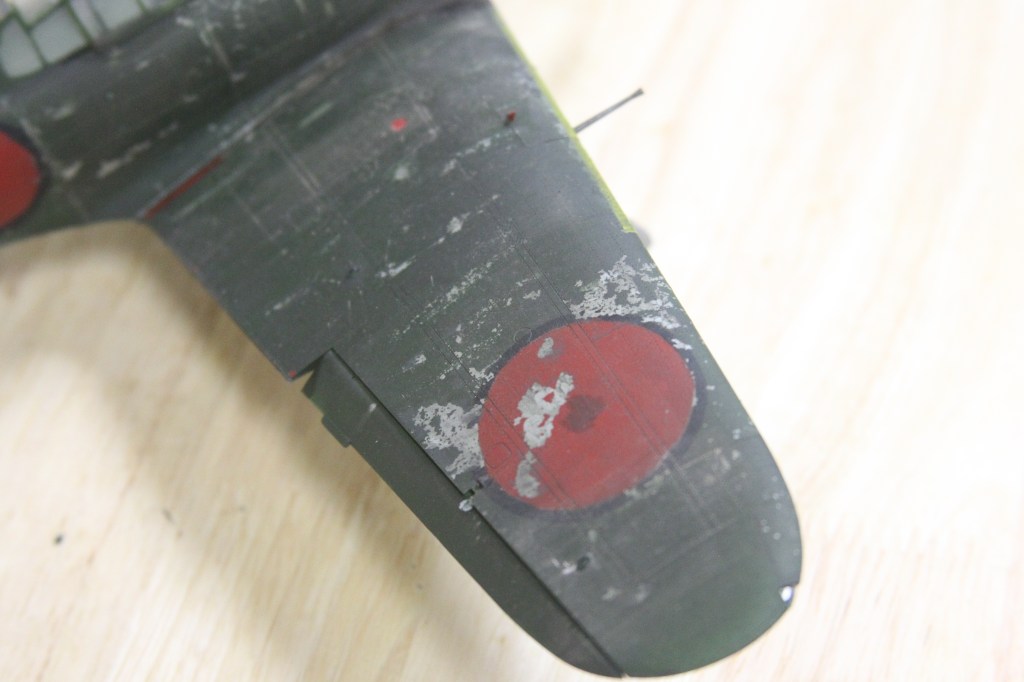
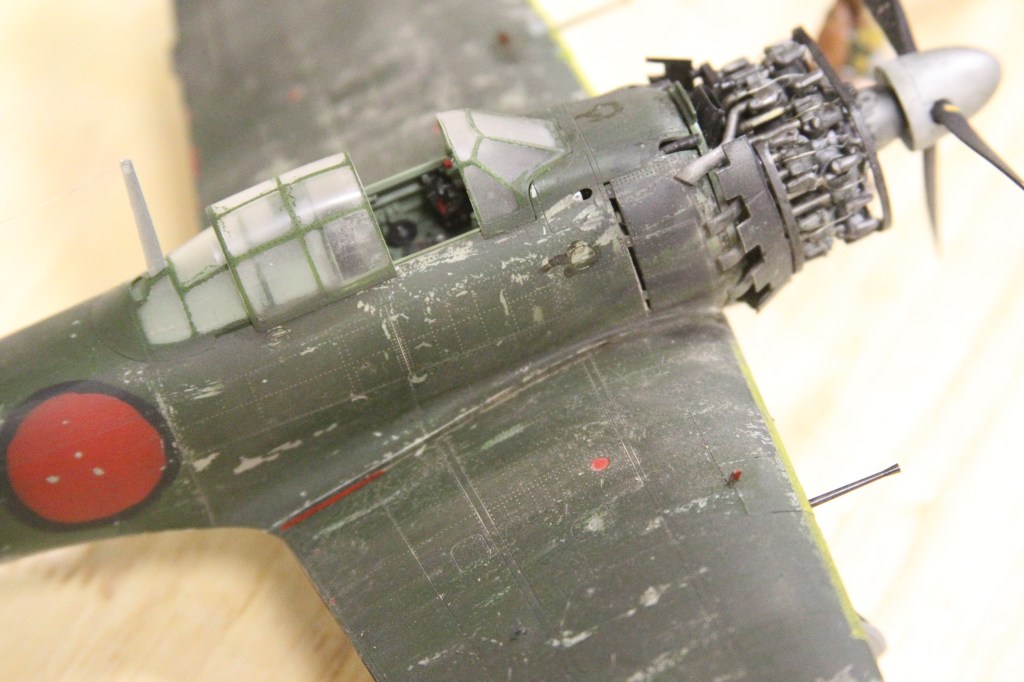
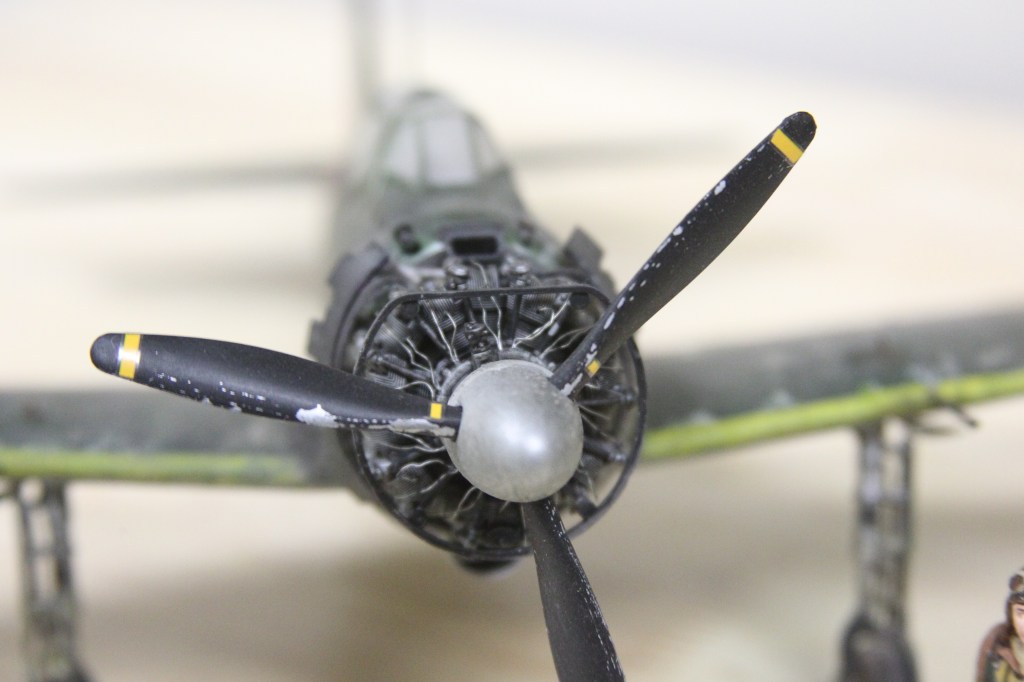
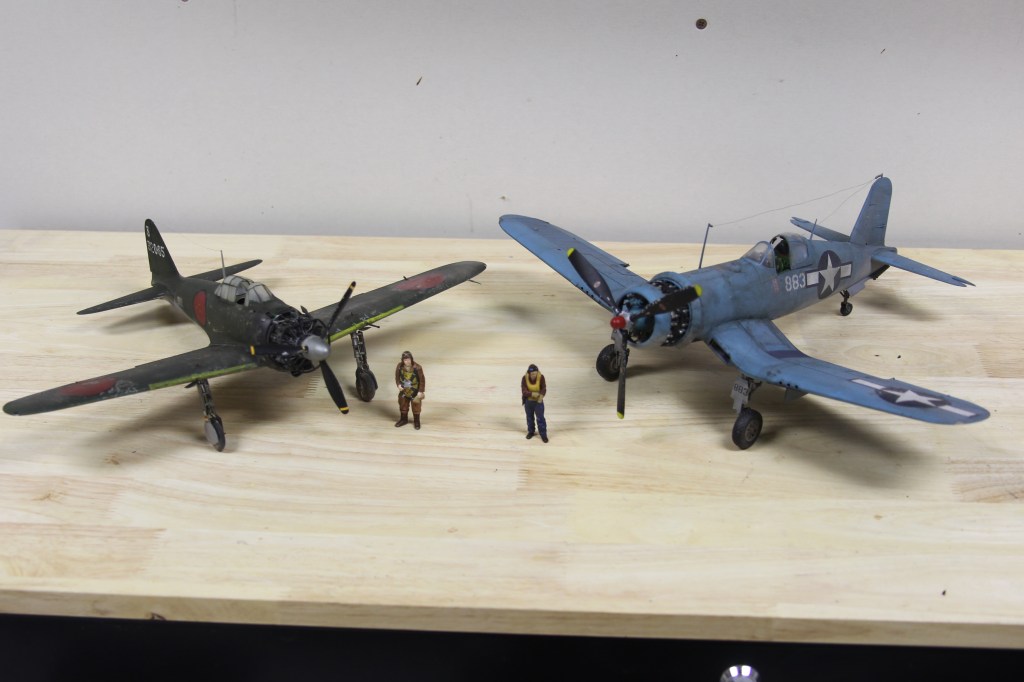
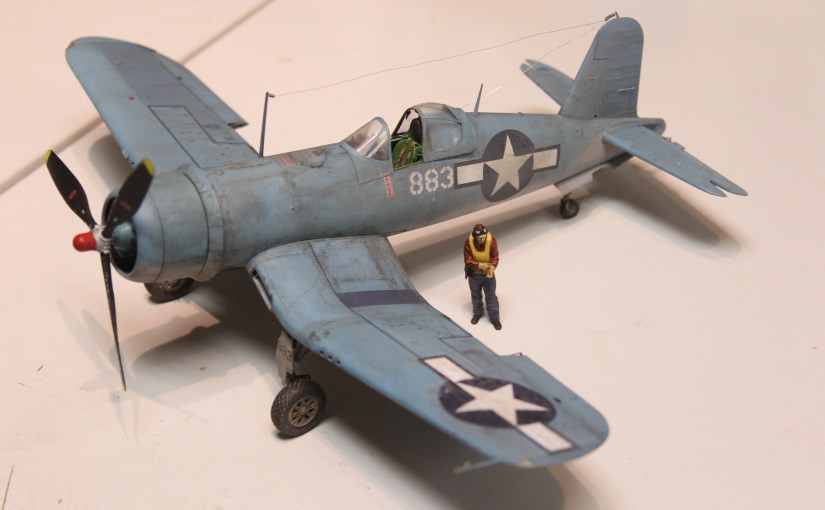
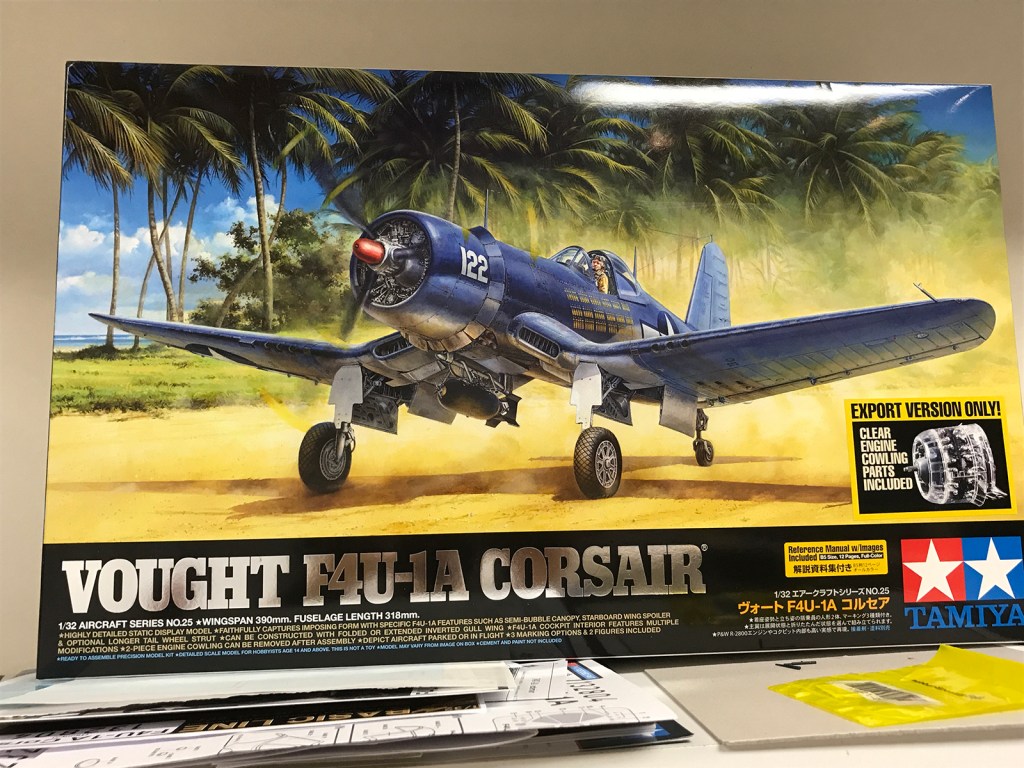
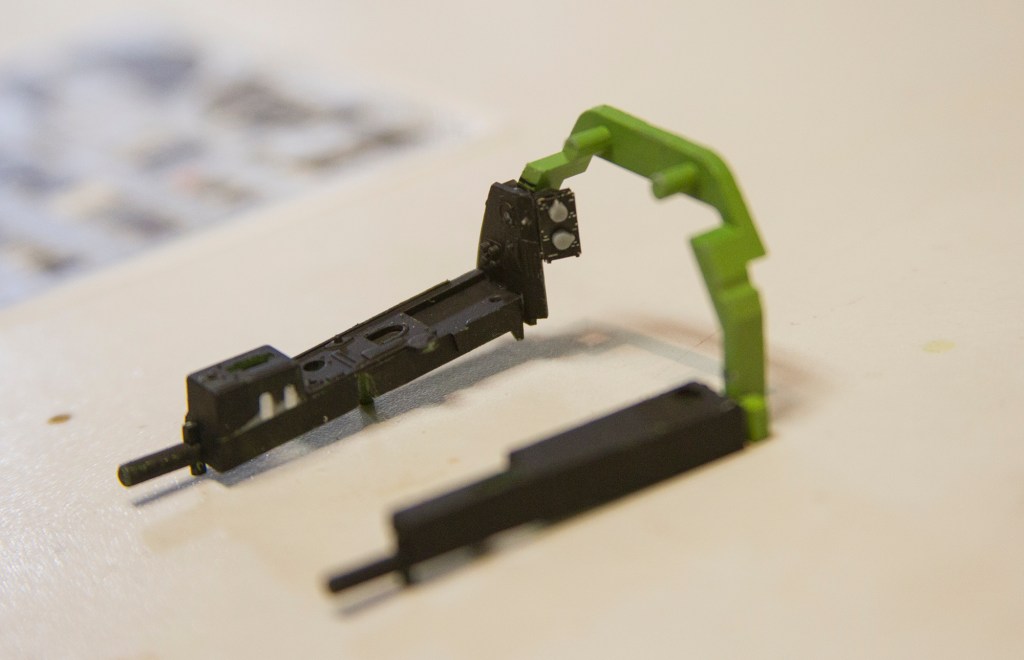
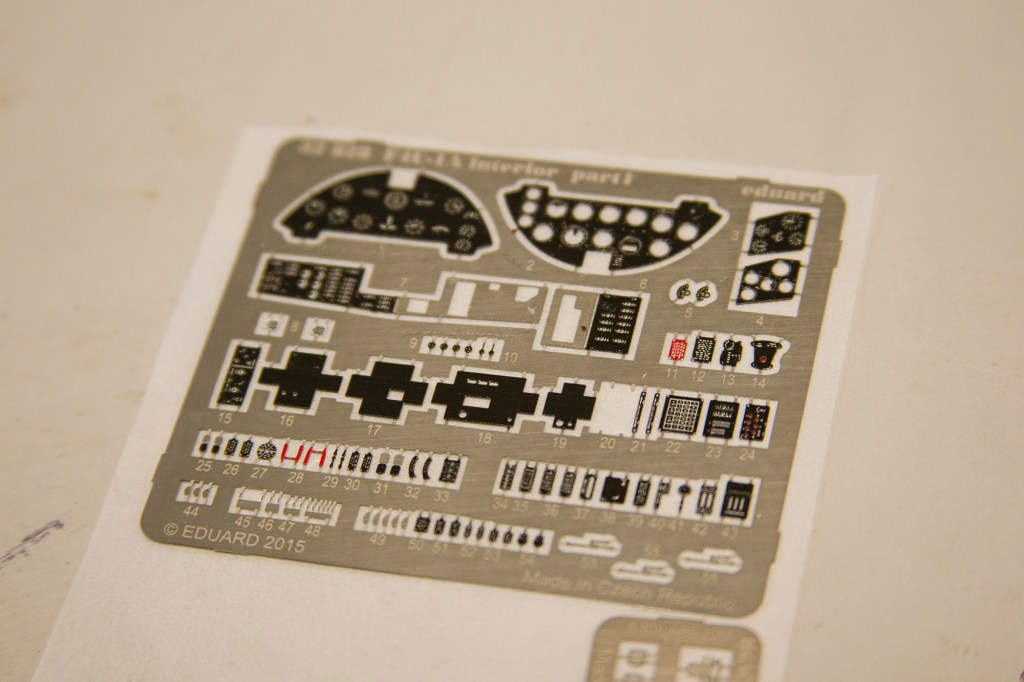
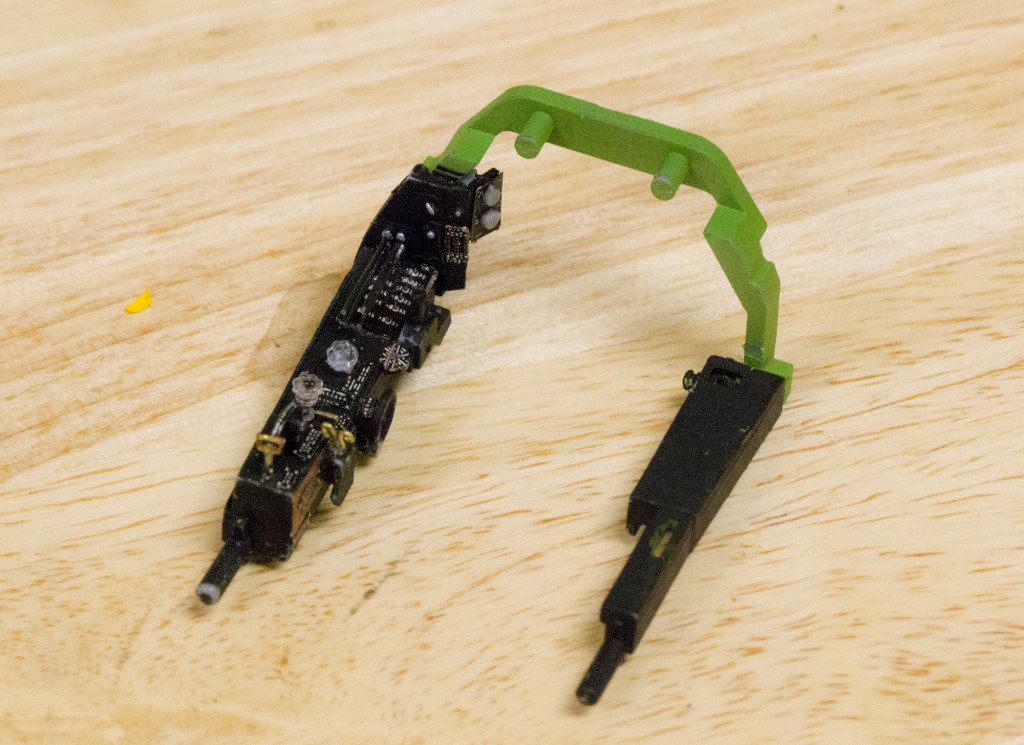
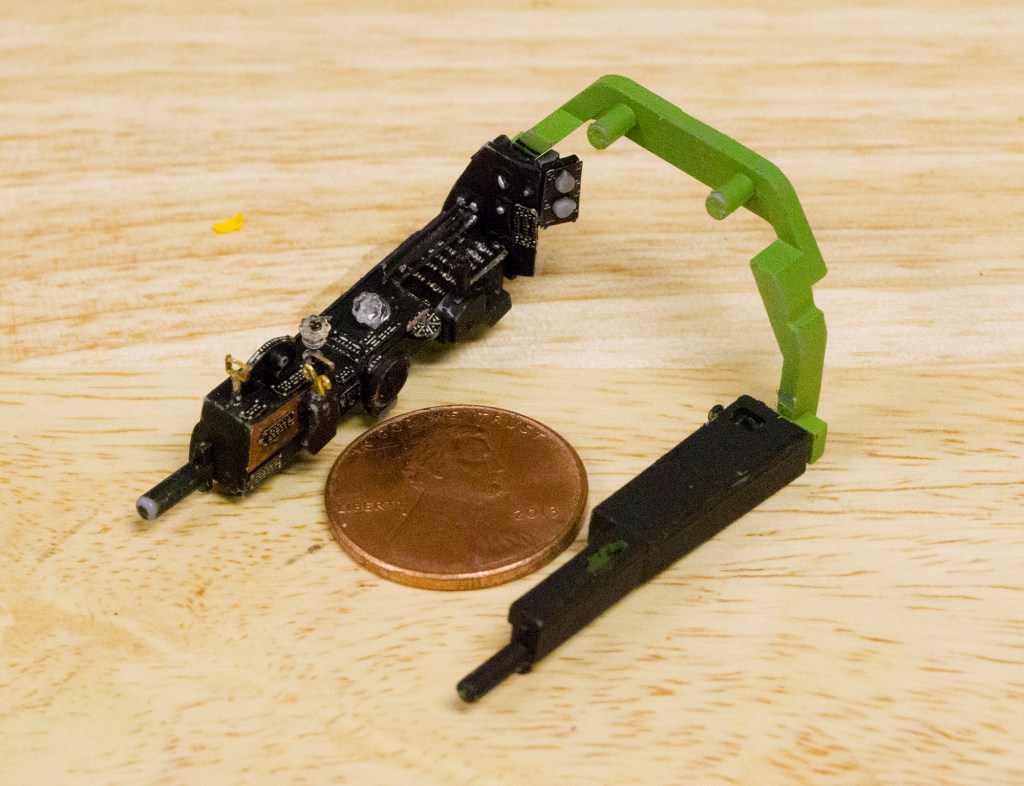
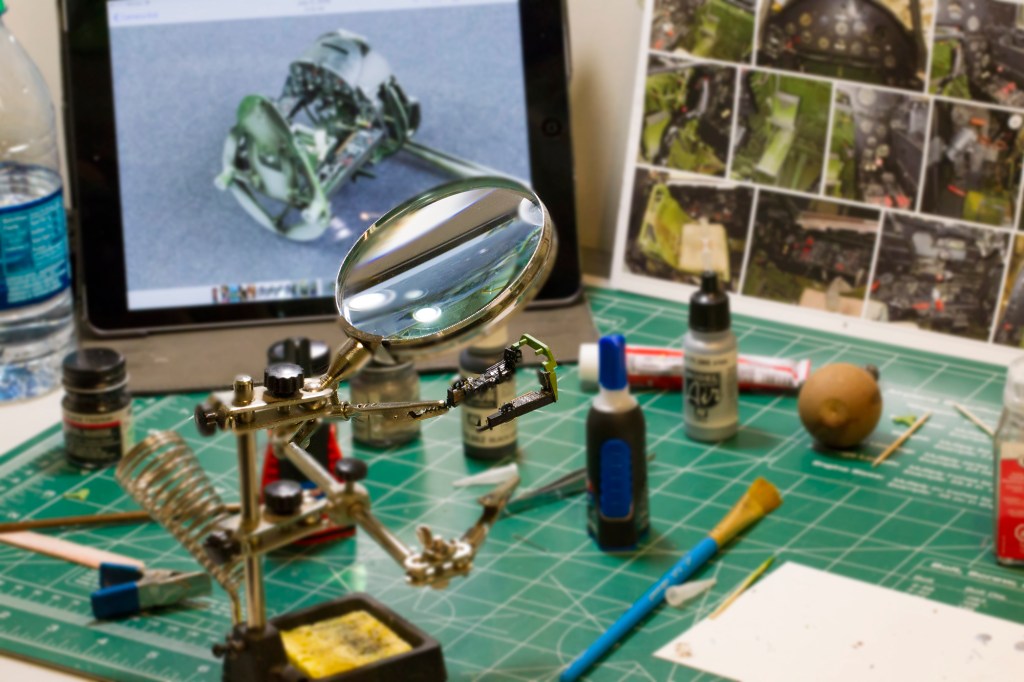
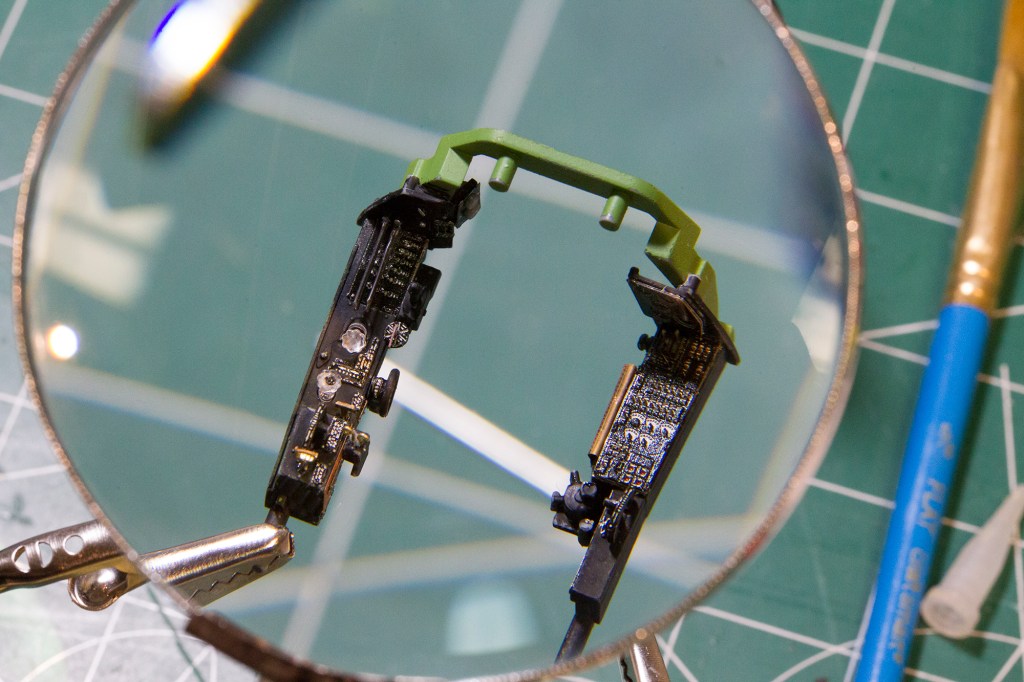
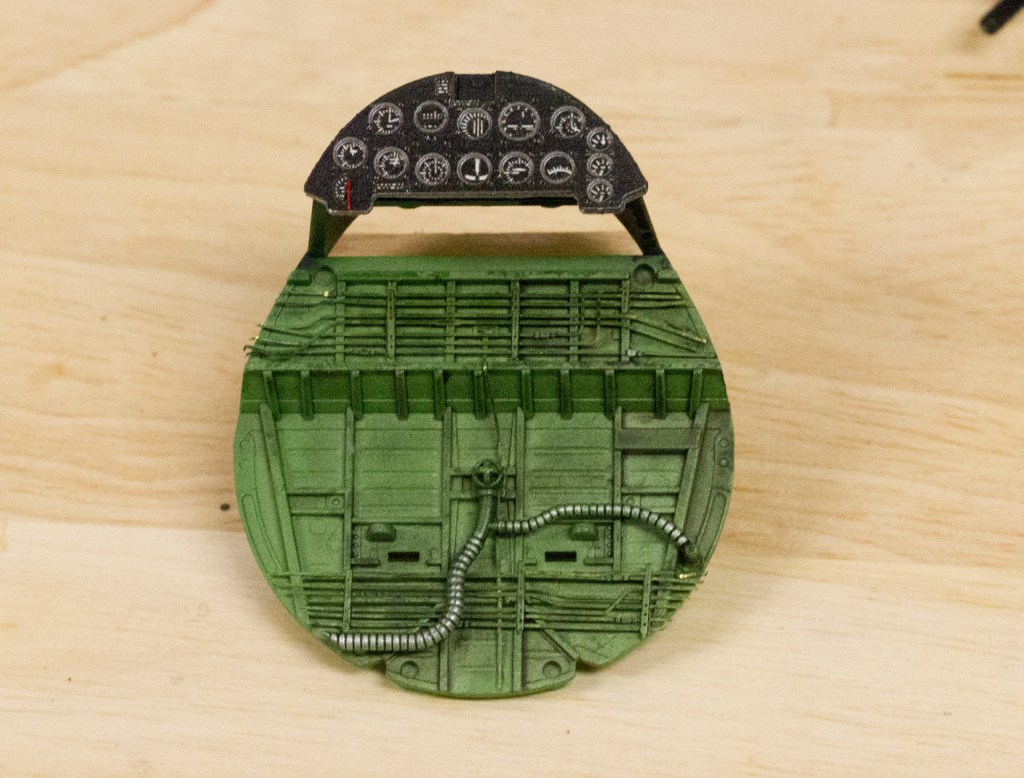
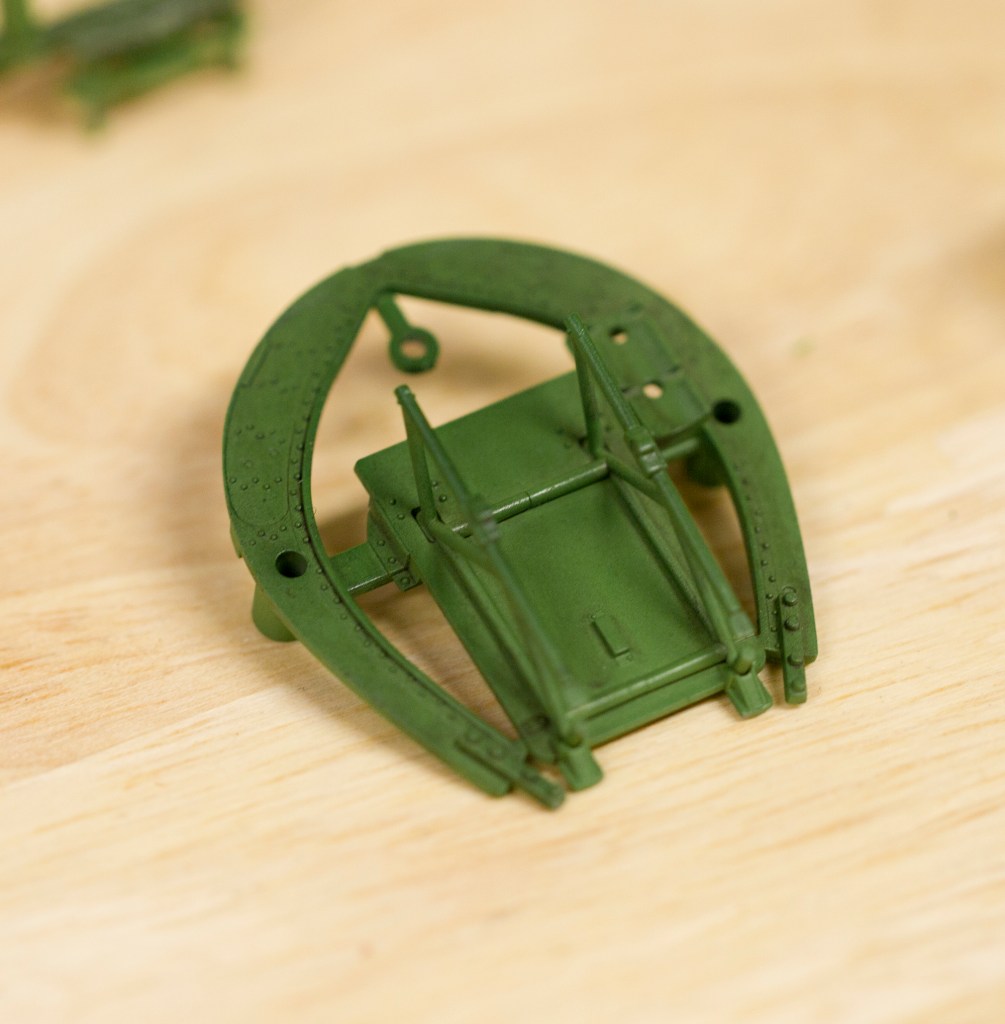
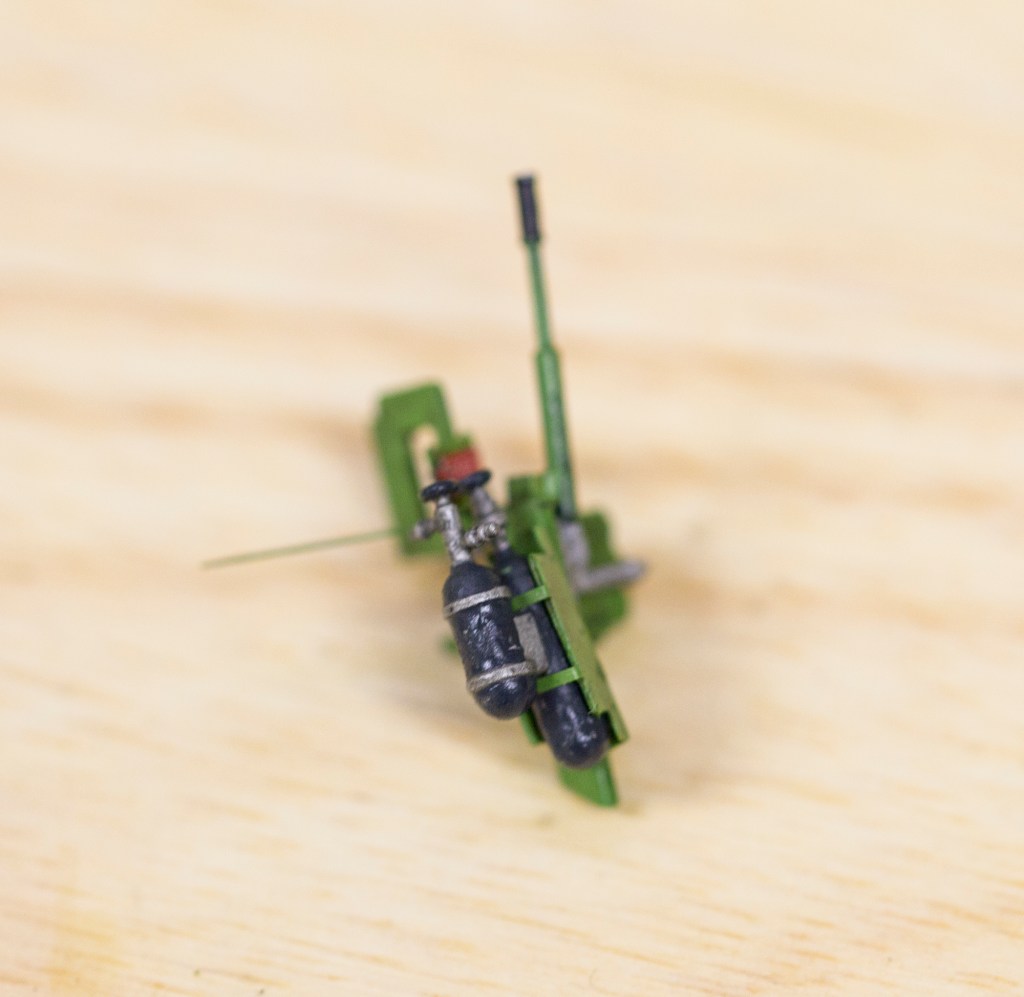
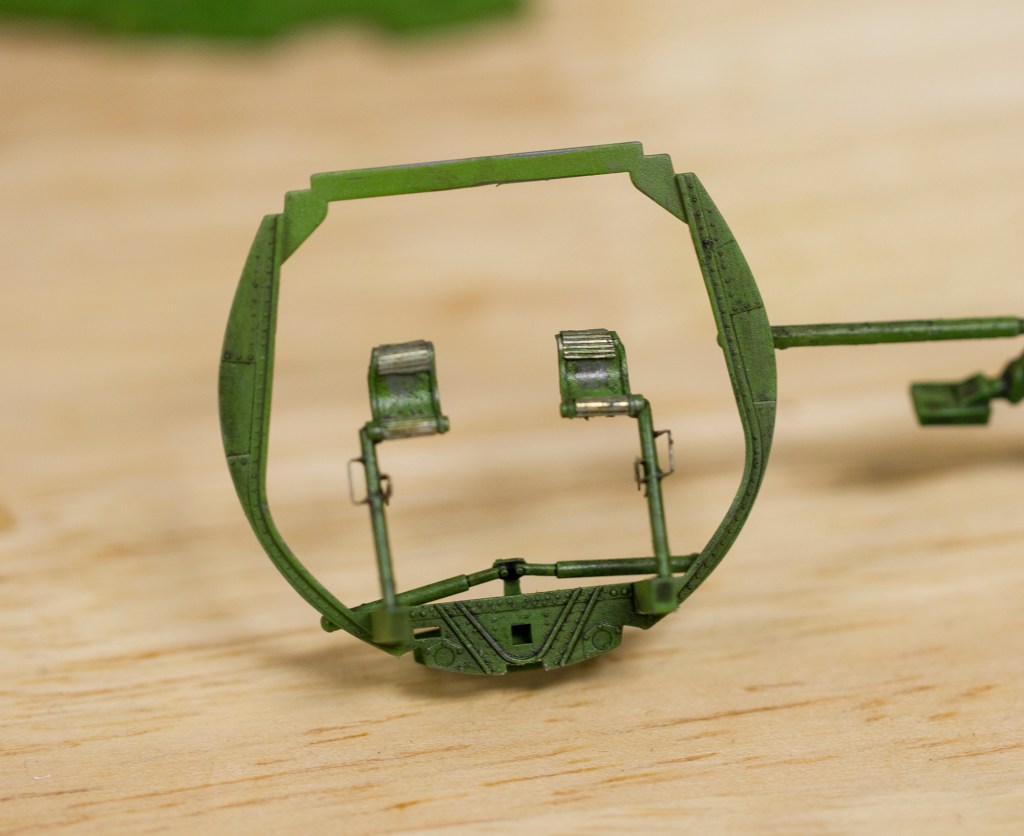
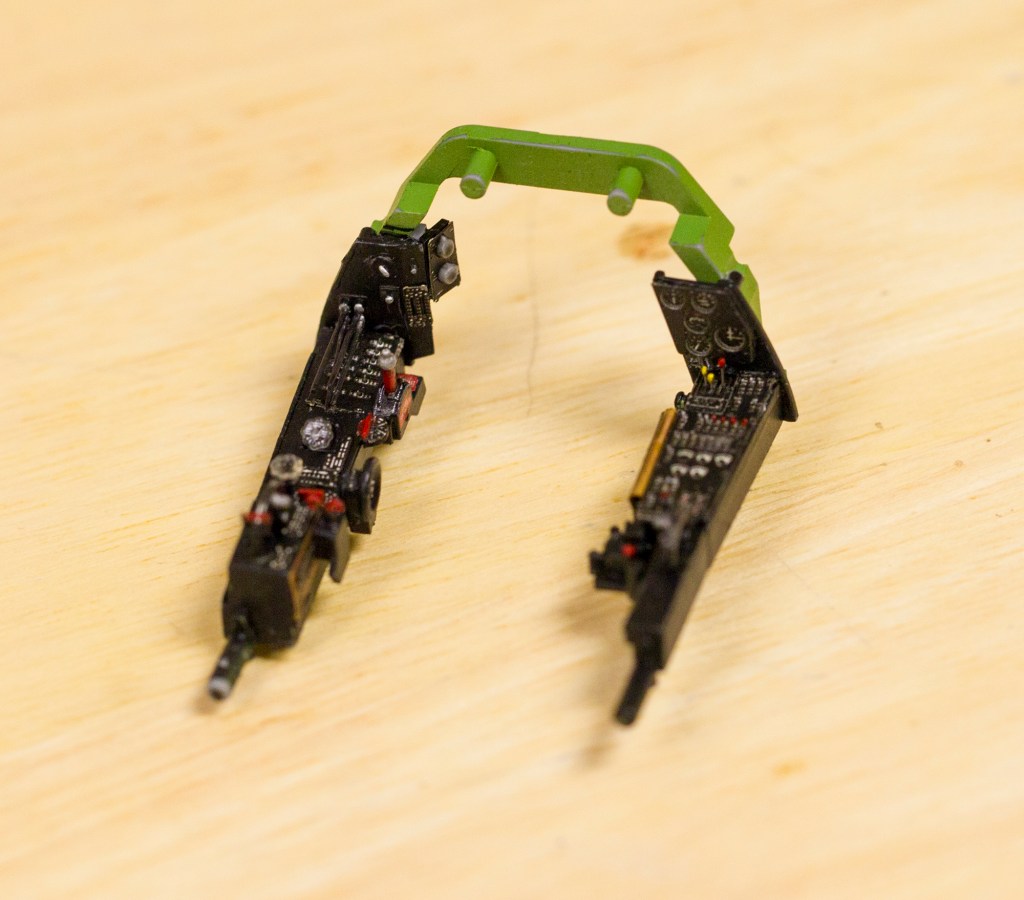
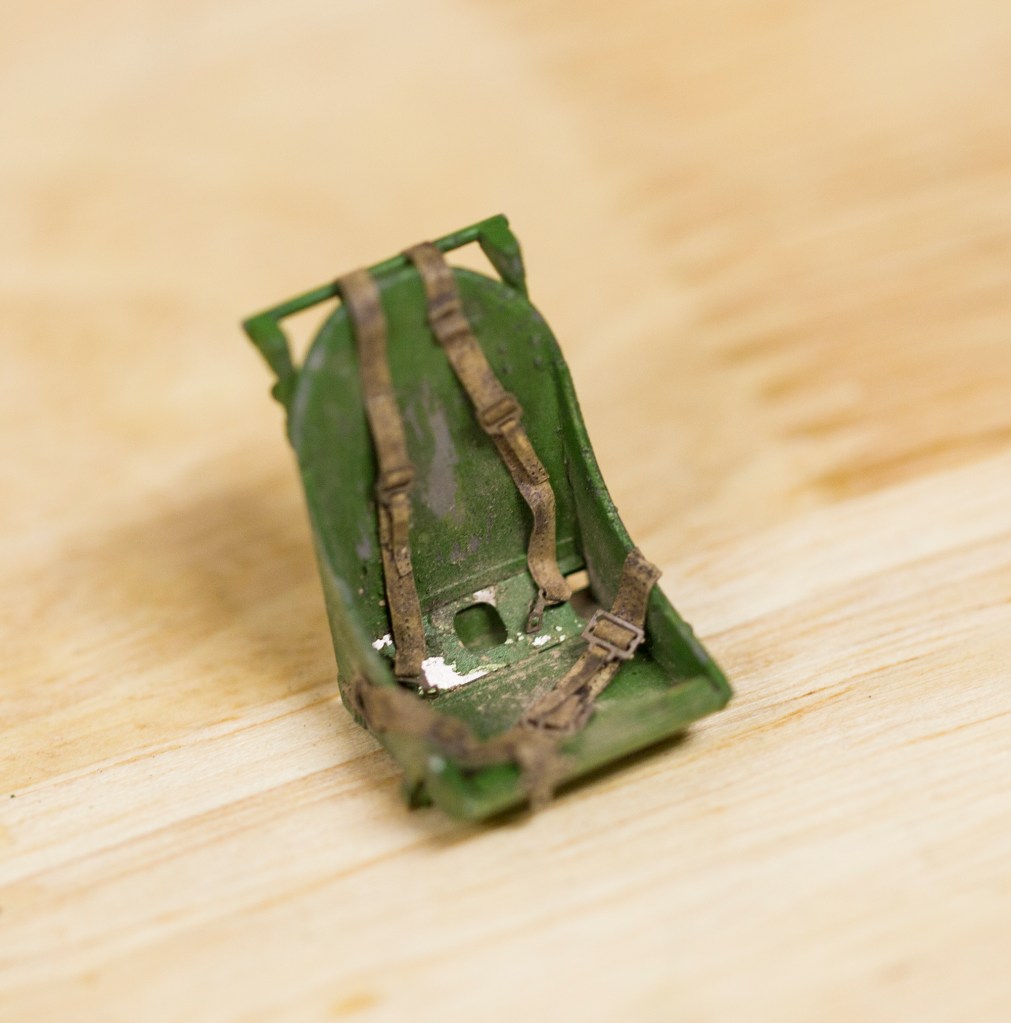
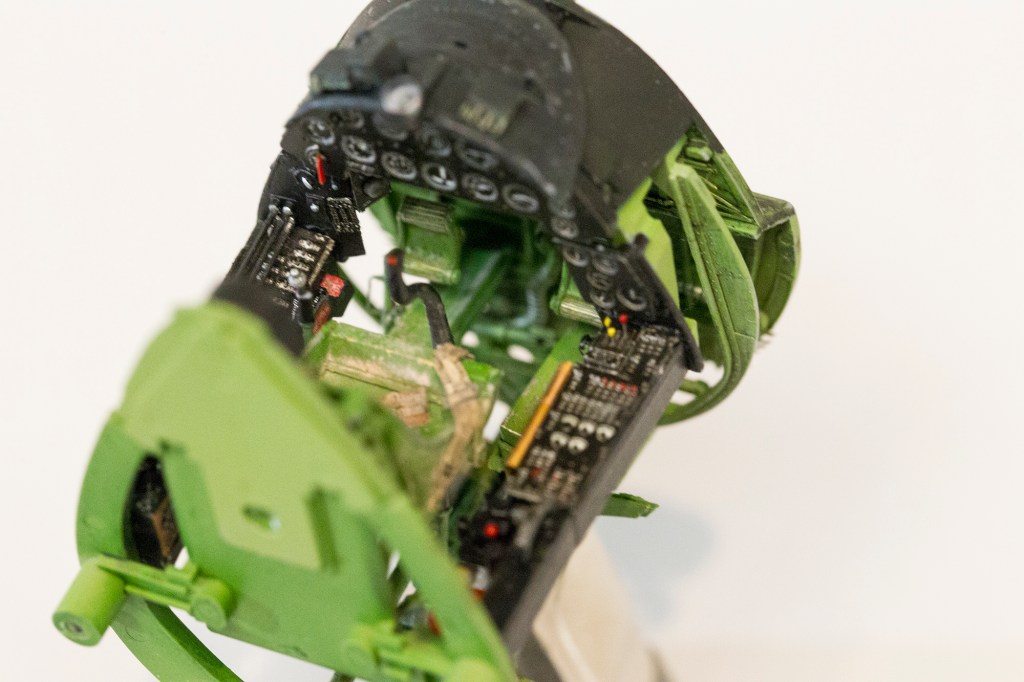
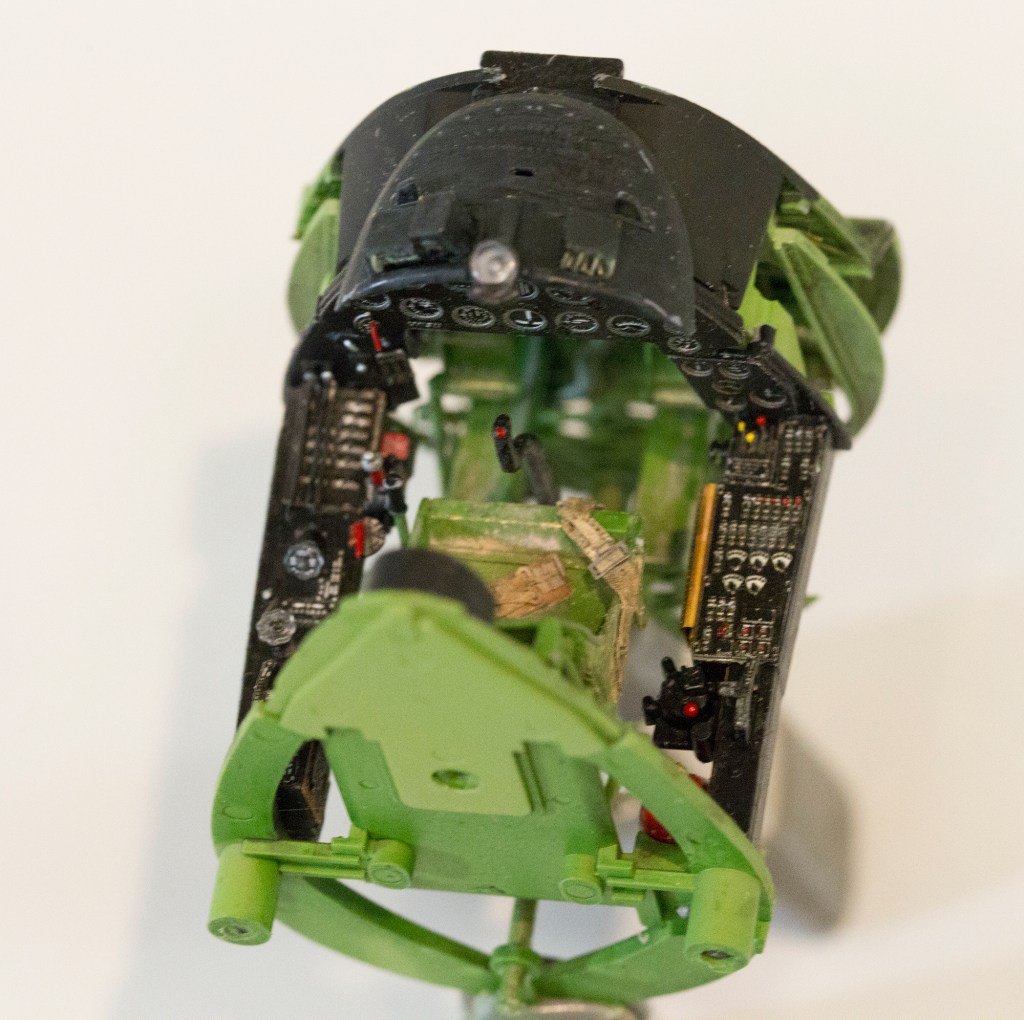
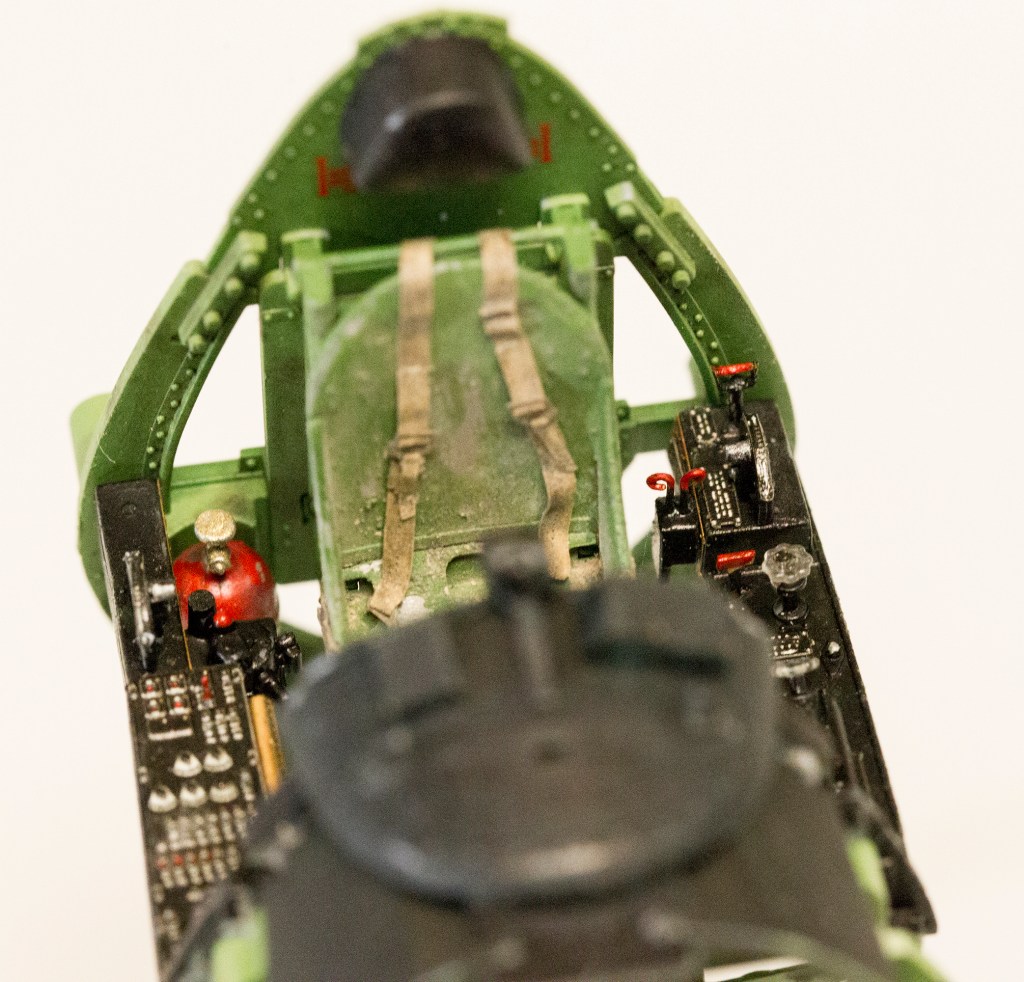
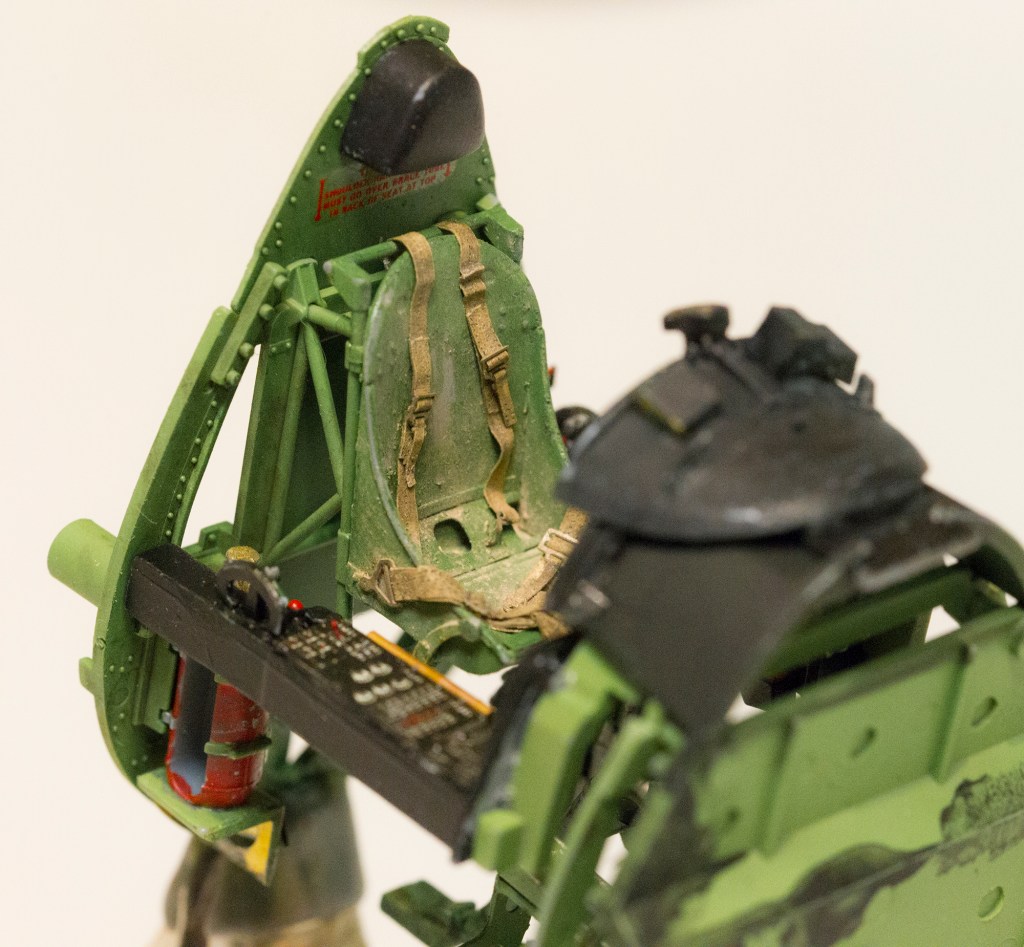
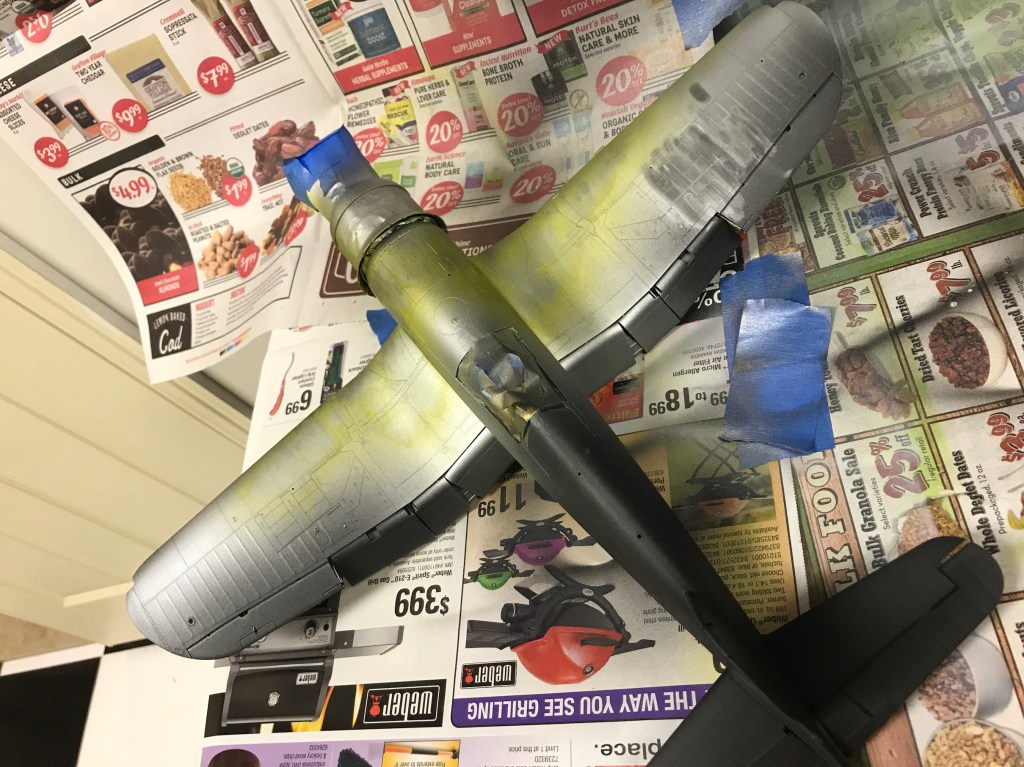
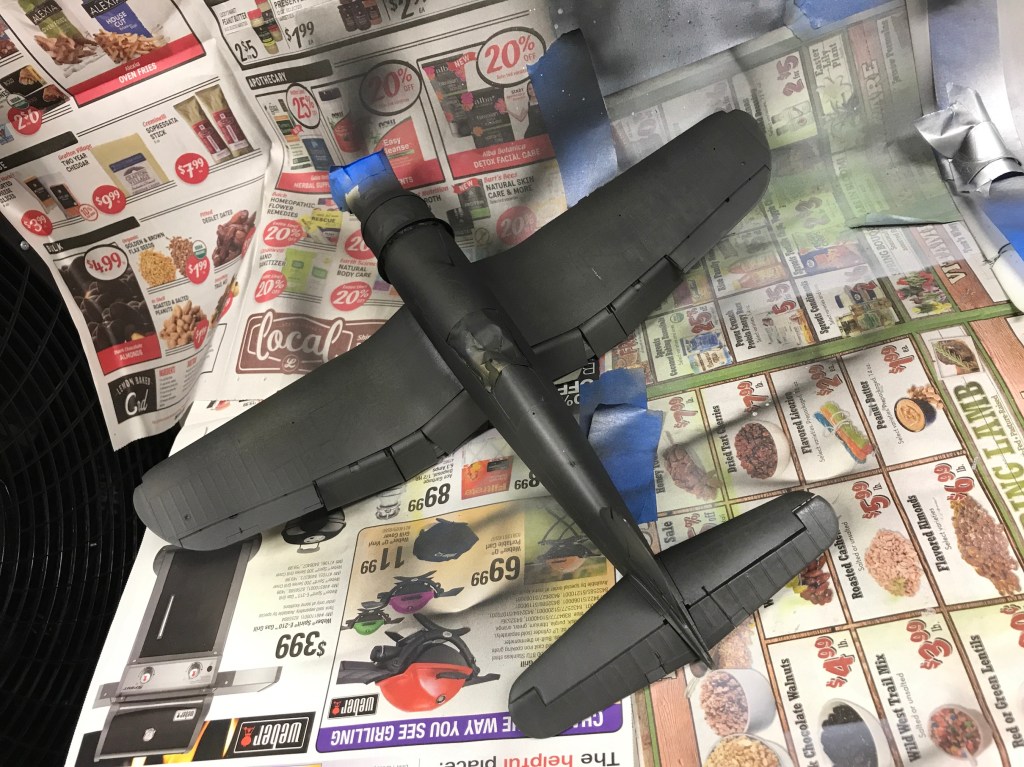
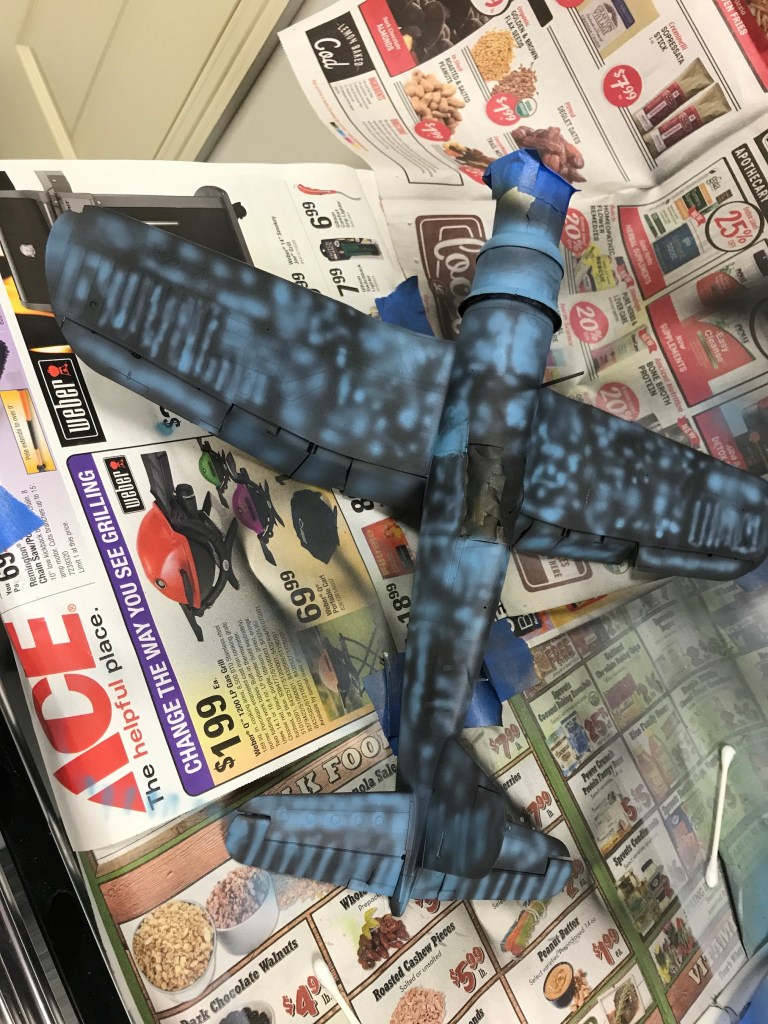
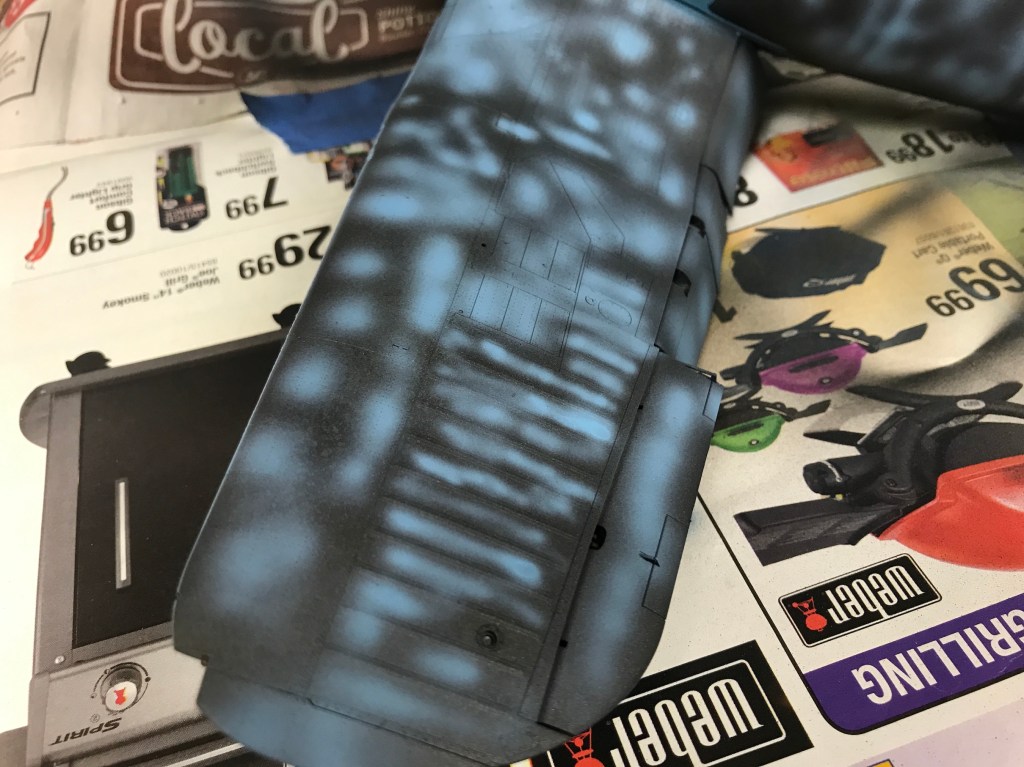
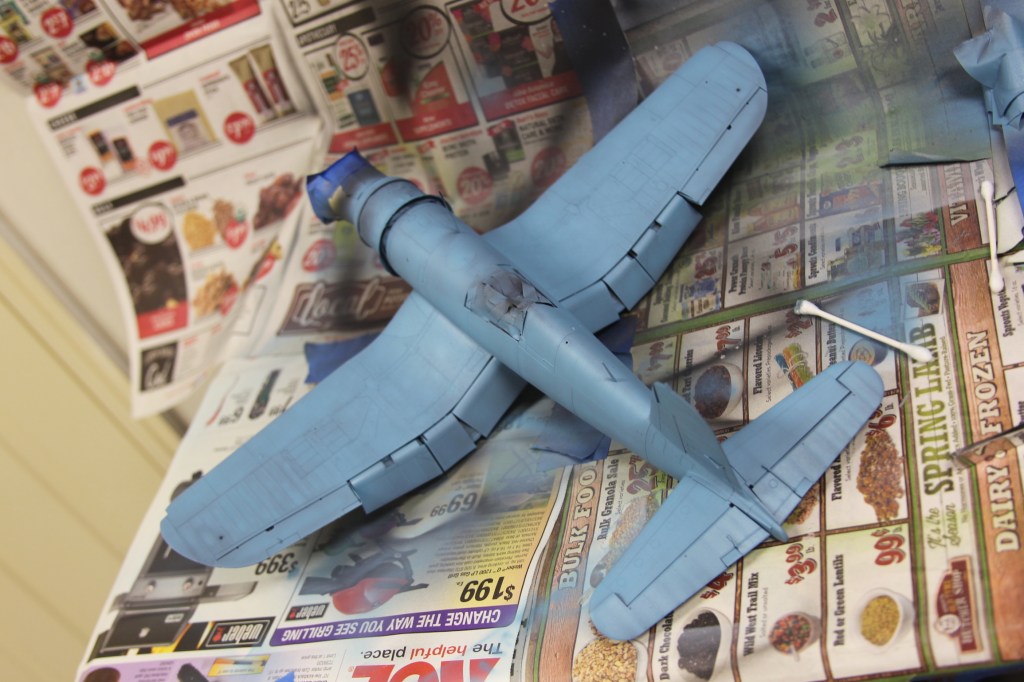
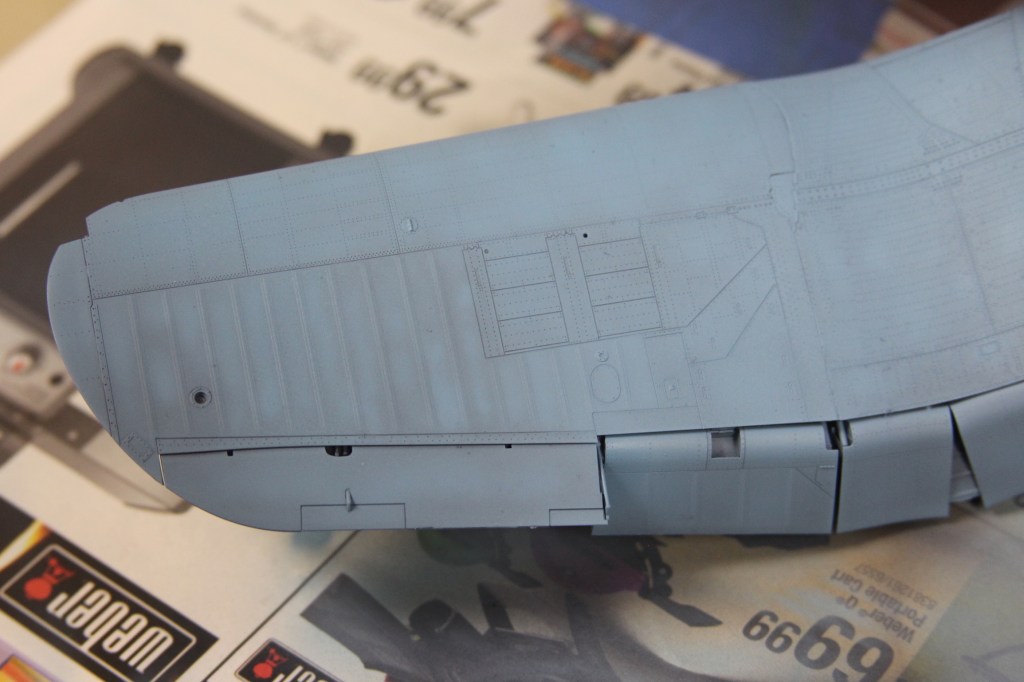
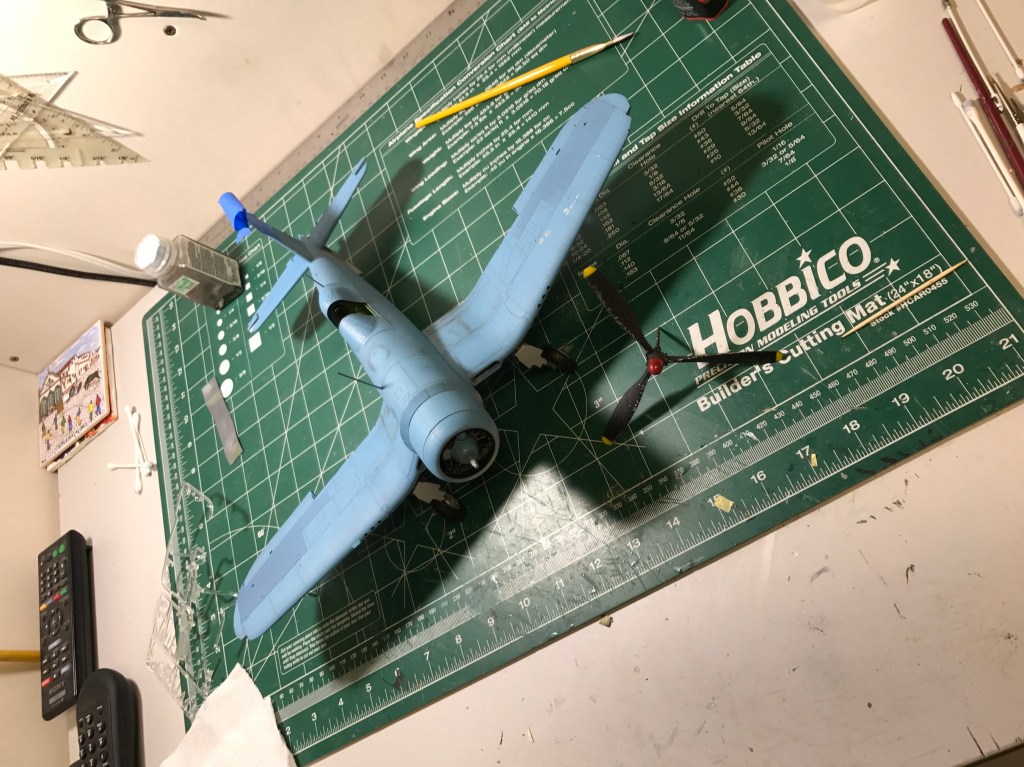
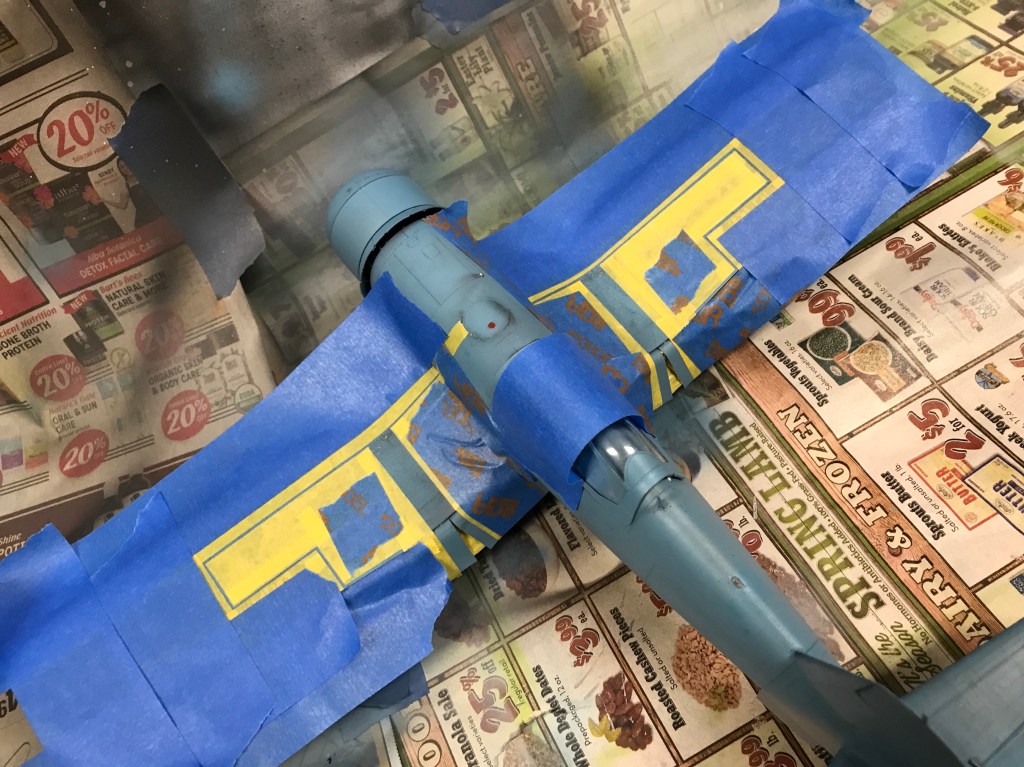
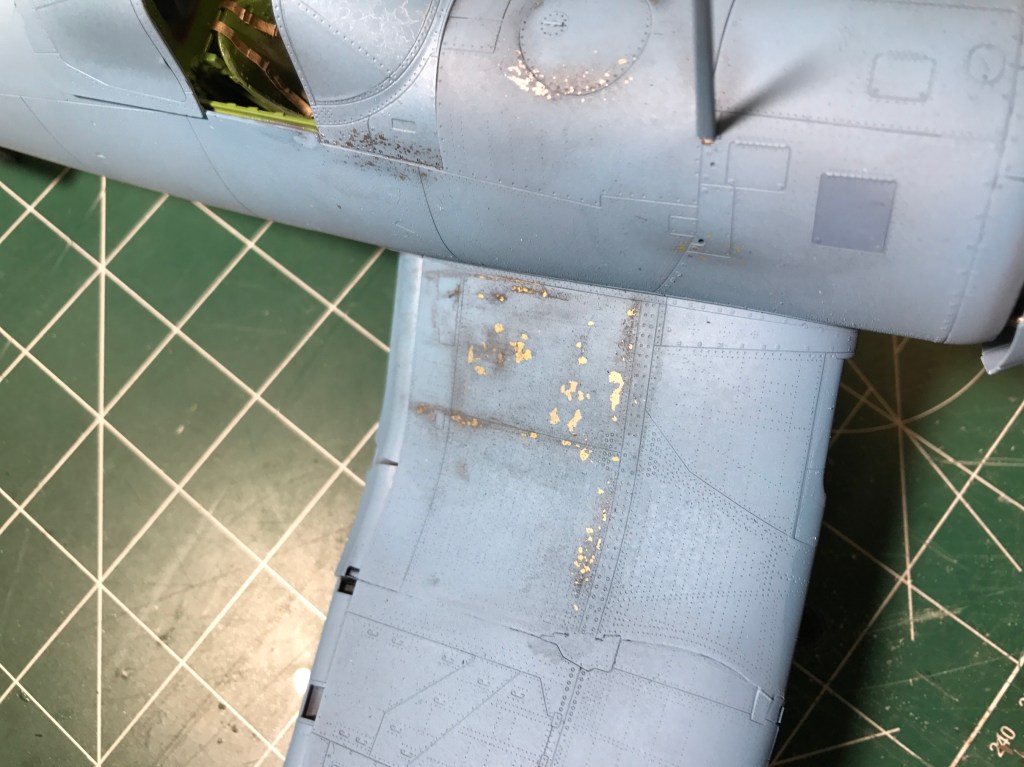
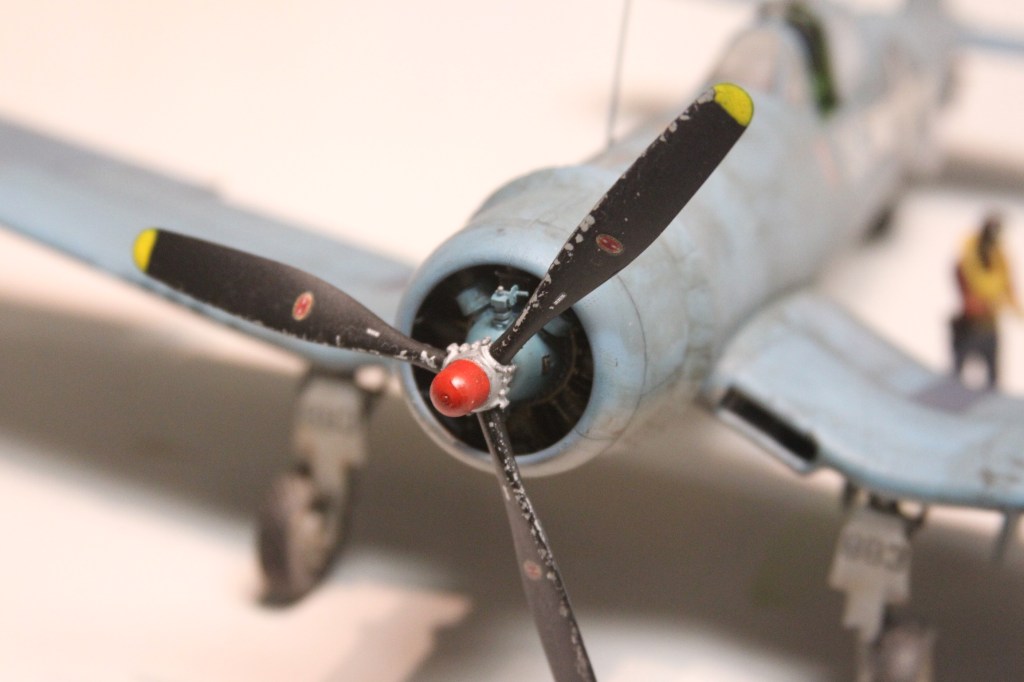
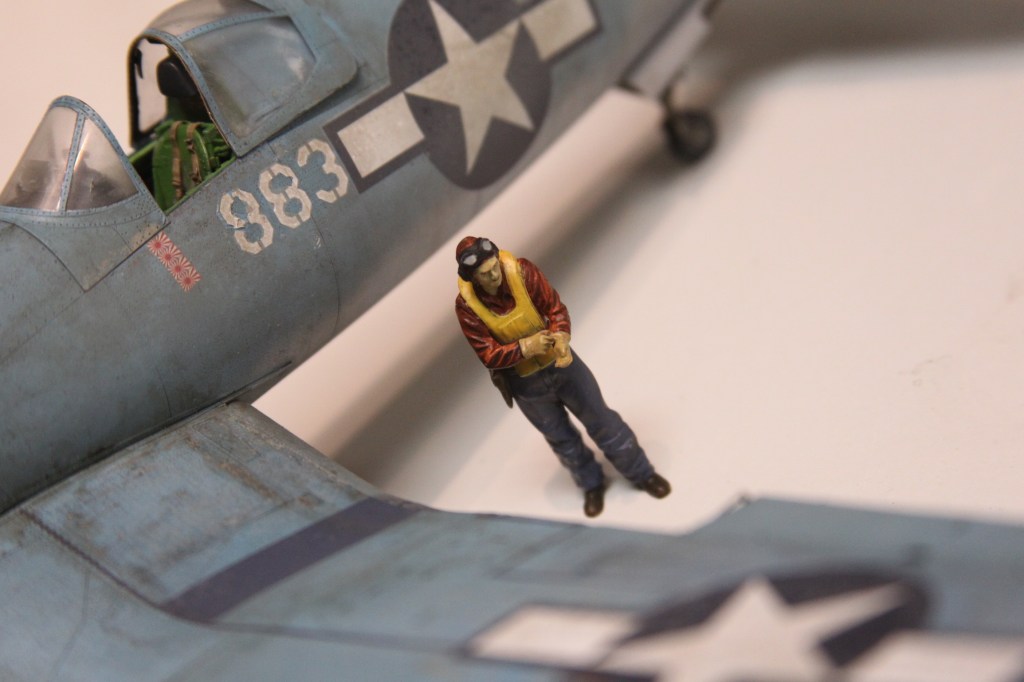
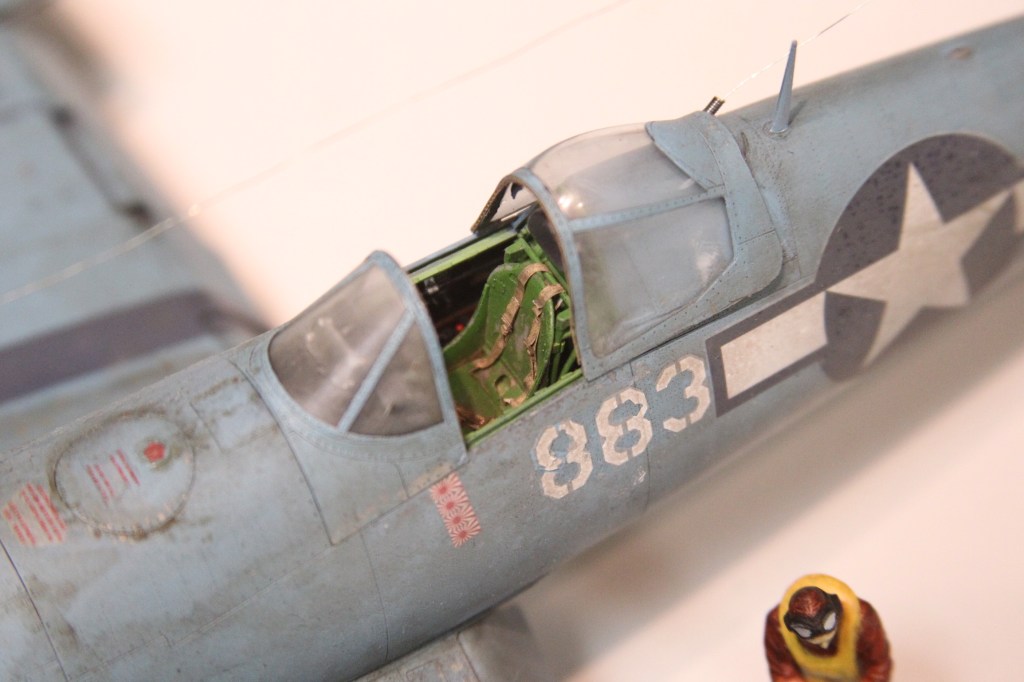
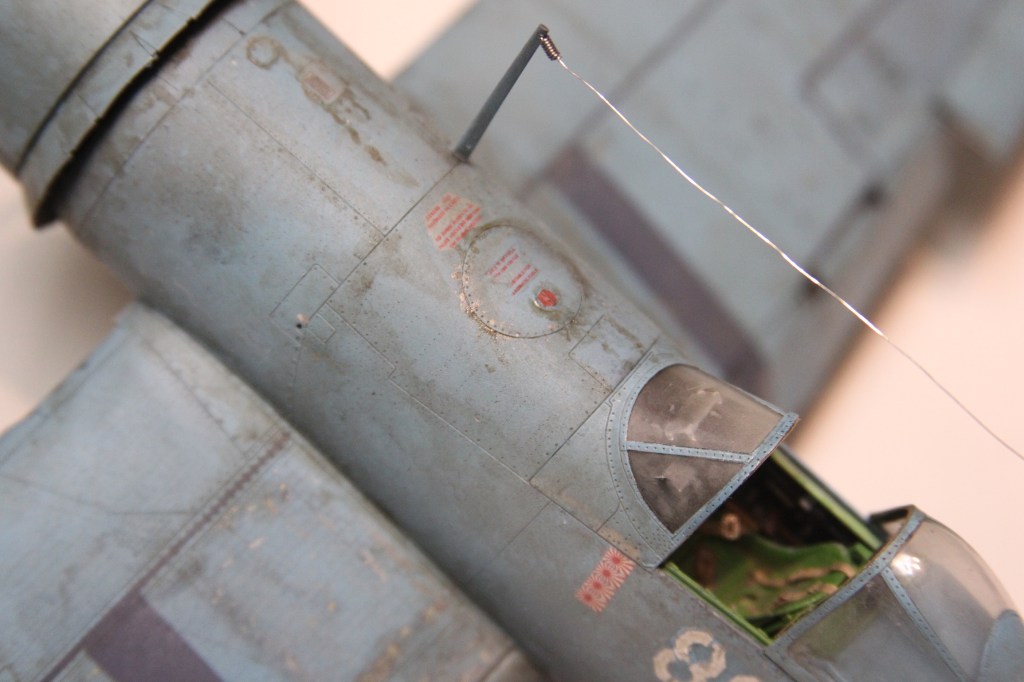
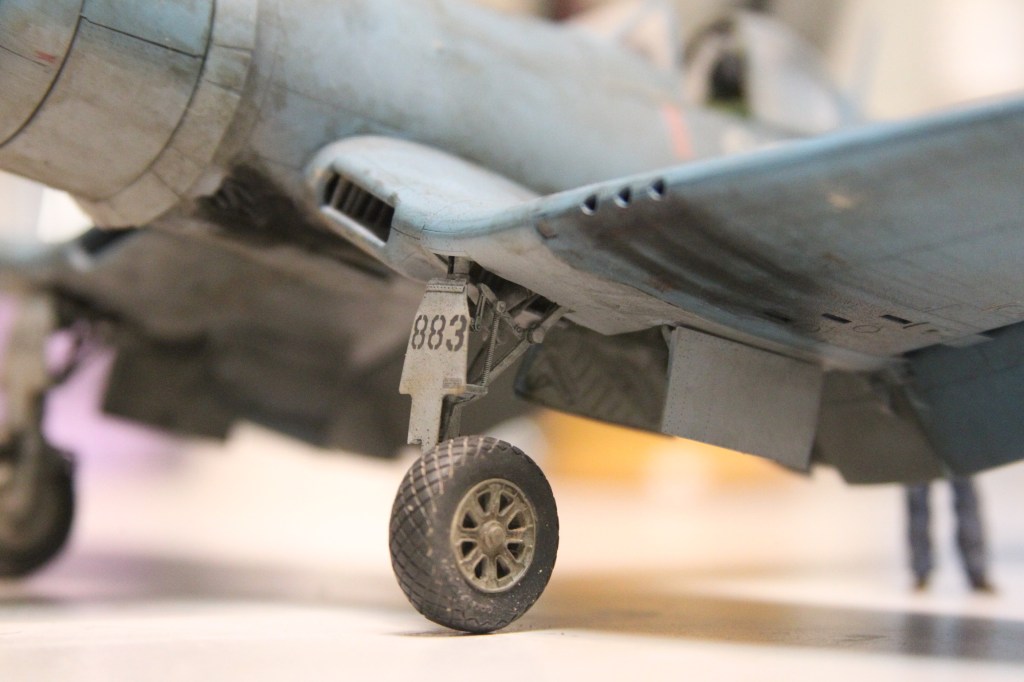
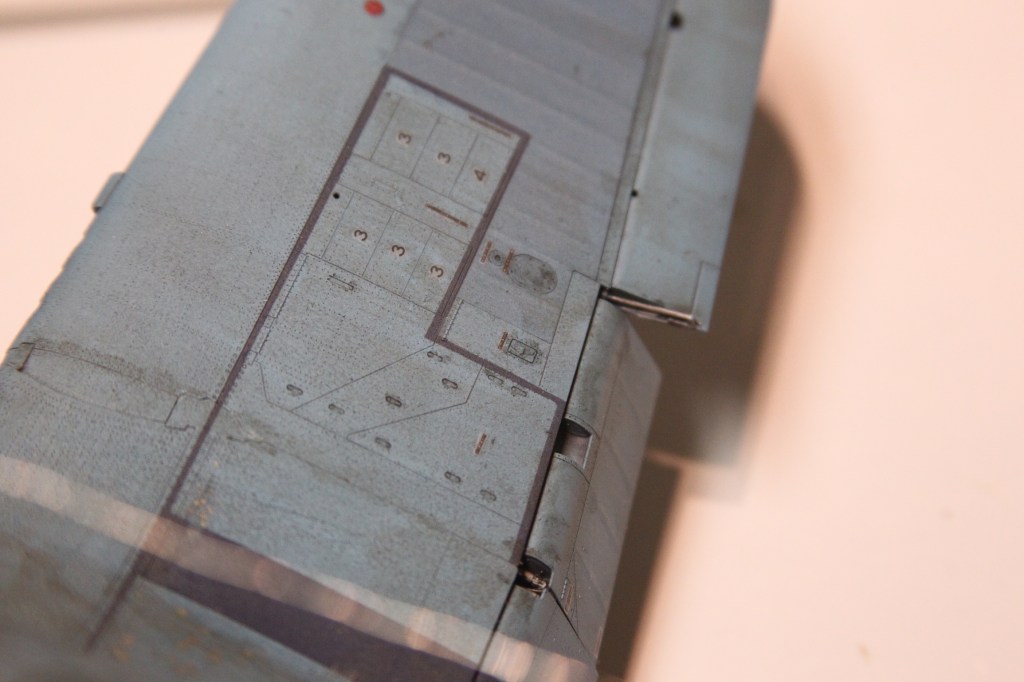
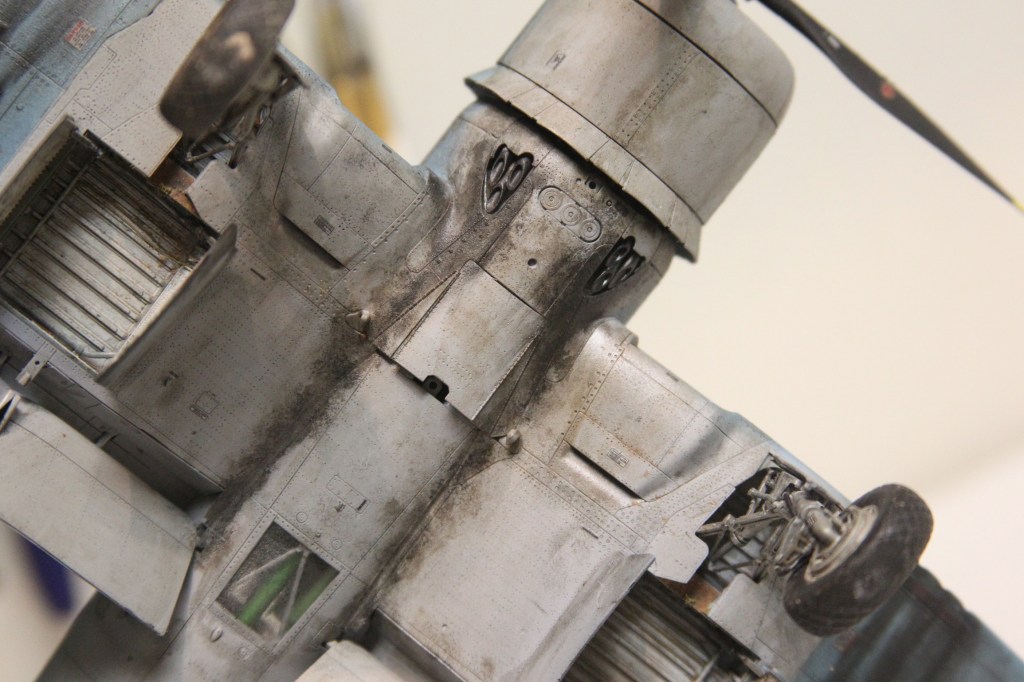
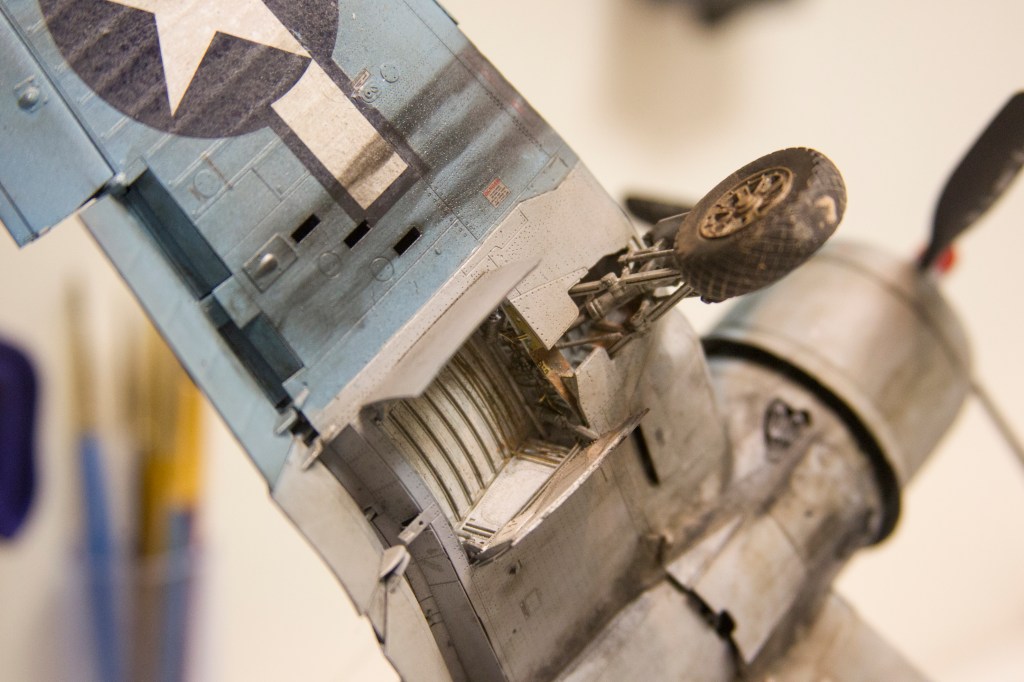
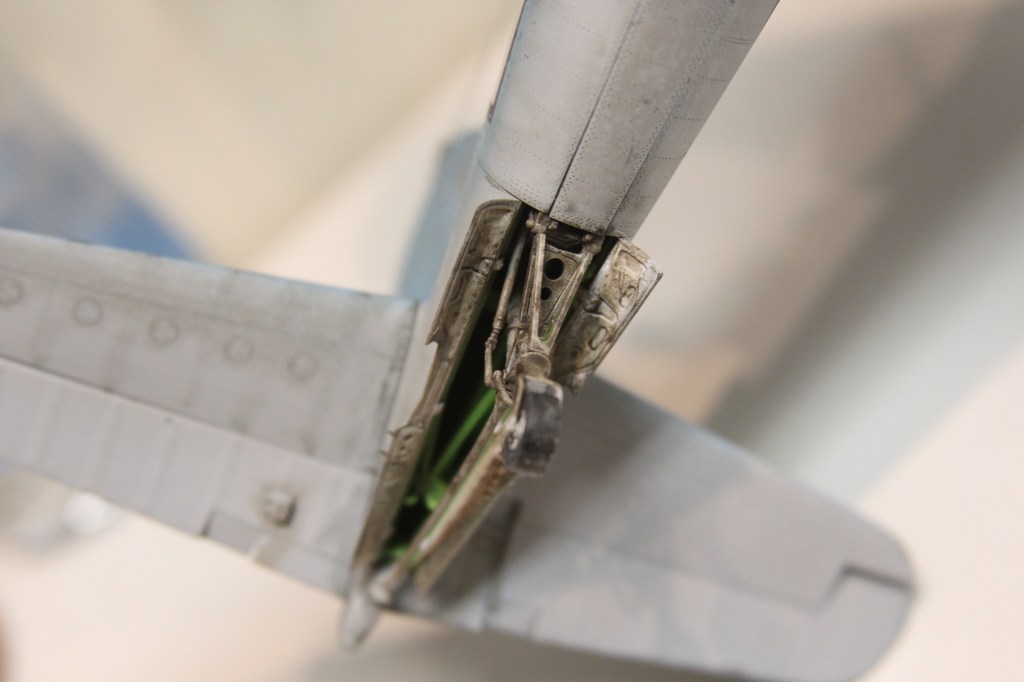
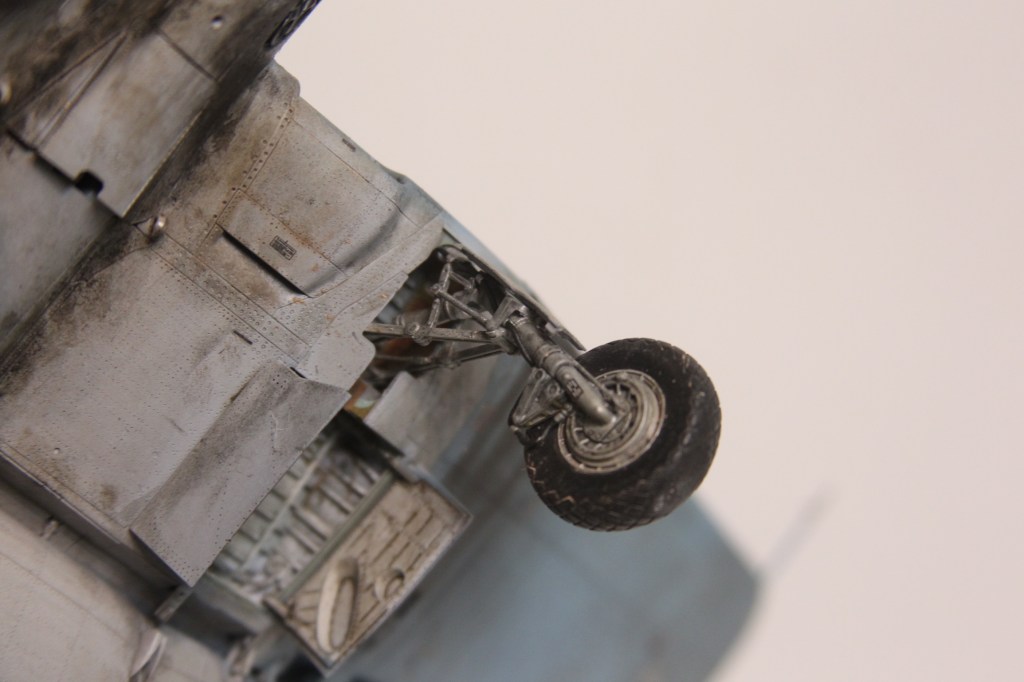
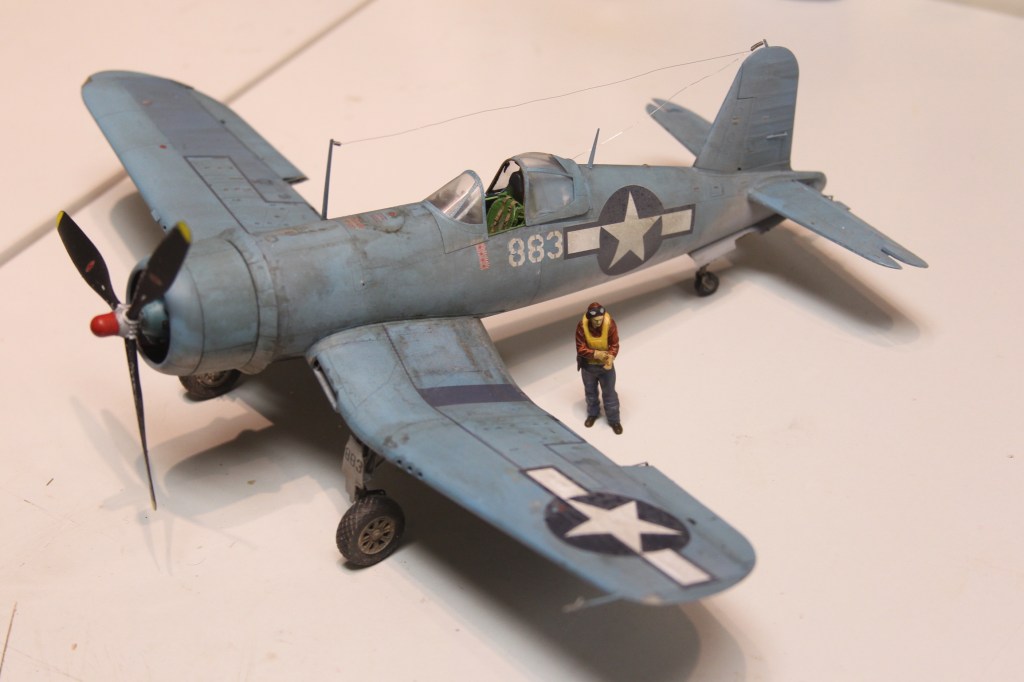
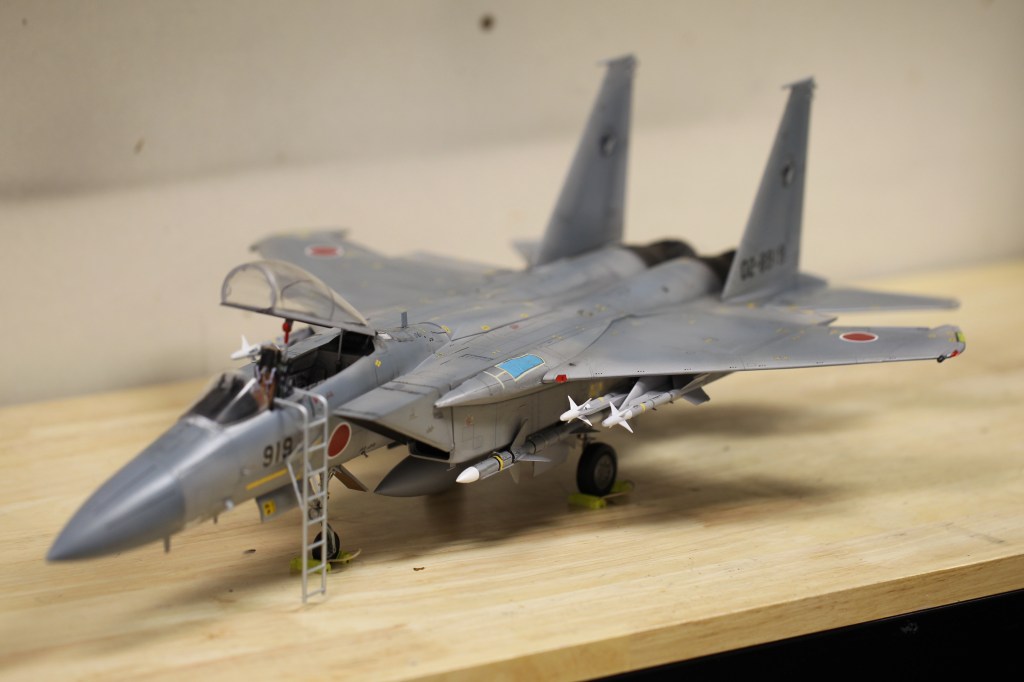
I picked up this Tamiya model as a companion to the F4 Corsair, as they were opposing forces in the skies over the pacific. Interestingly, the Zero was more susceptible to weathering and damage, which I tried to reflect in this build.

Glenwood Creek

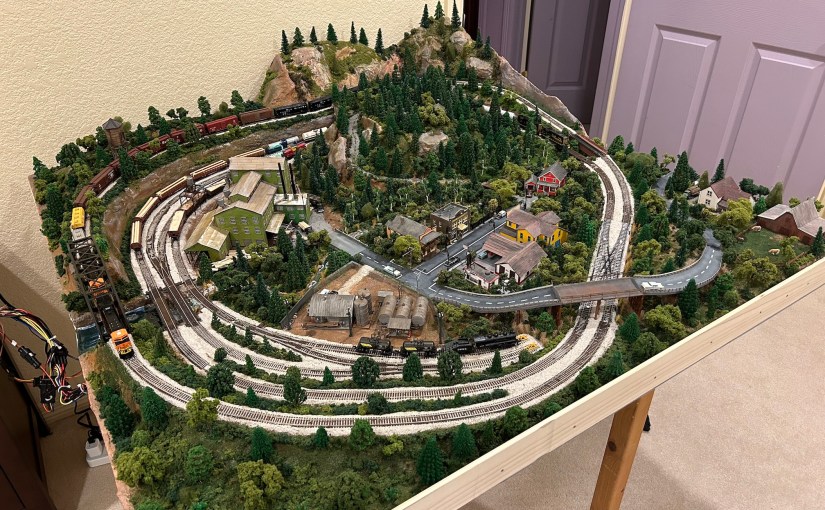
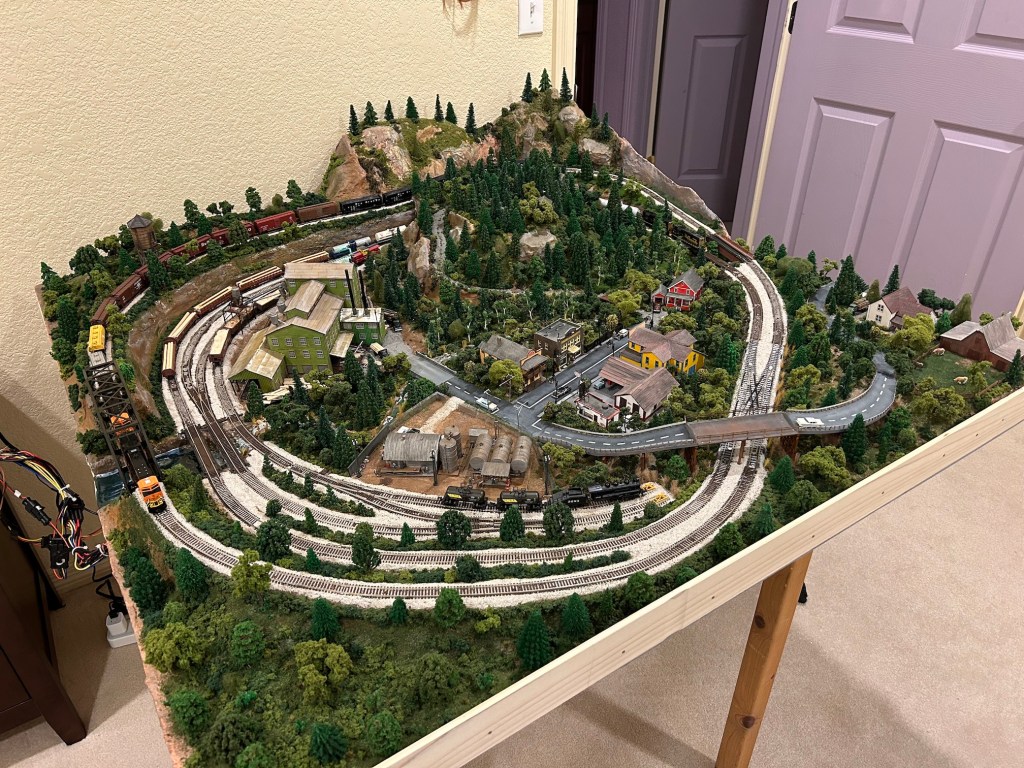
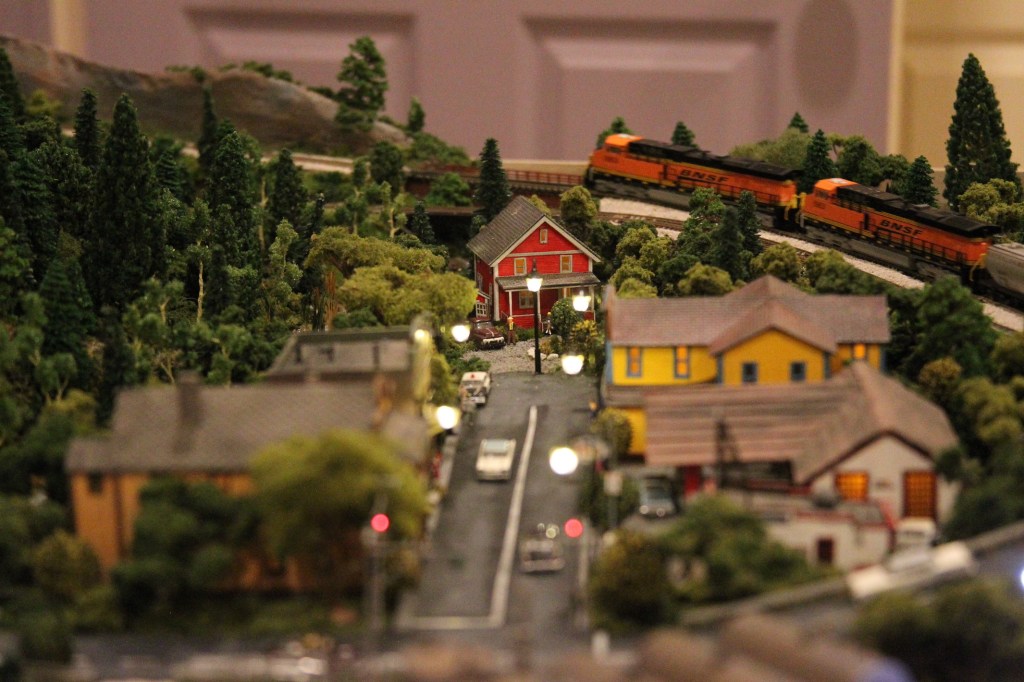
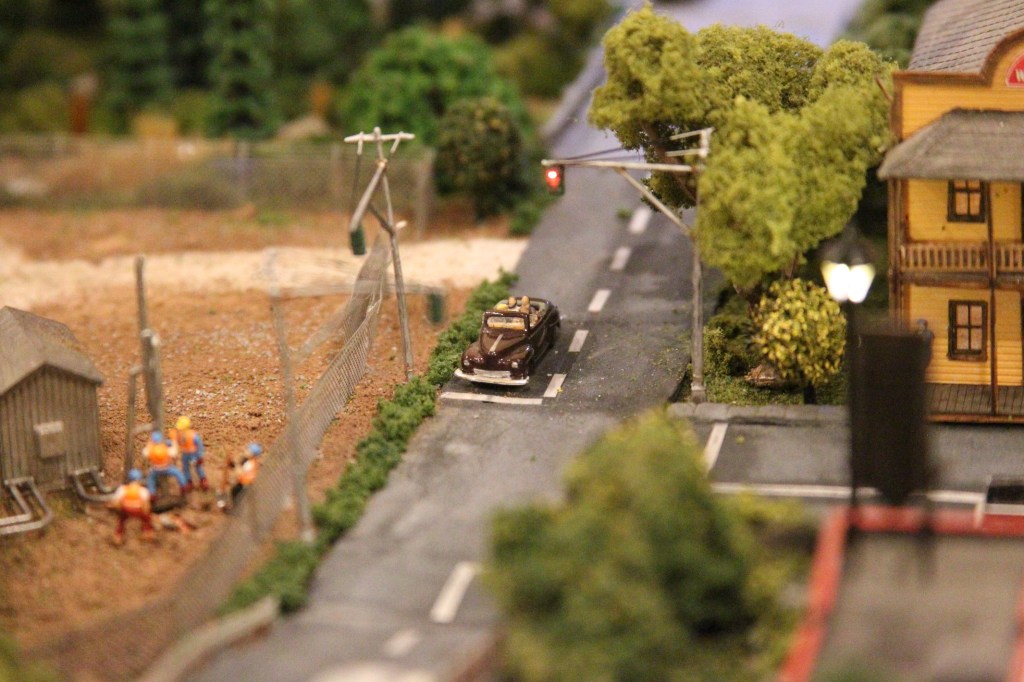
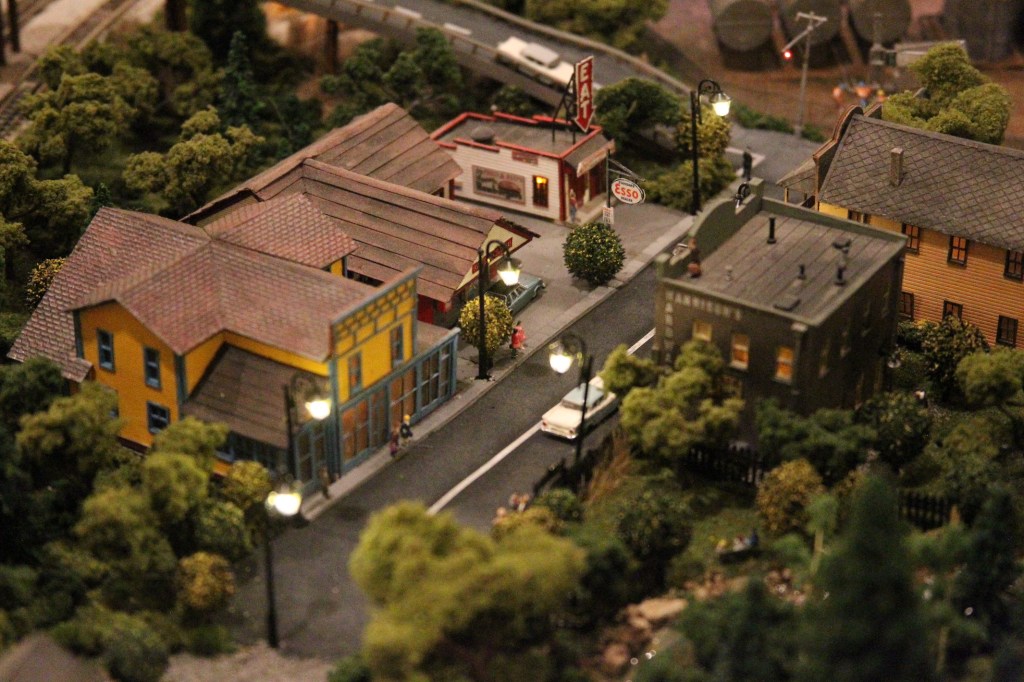
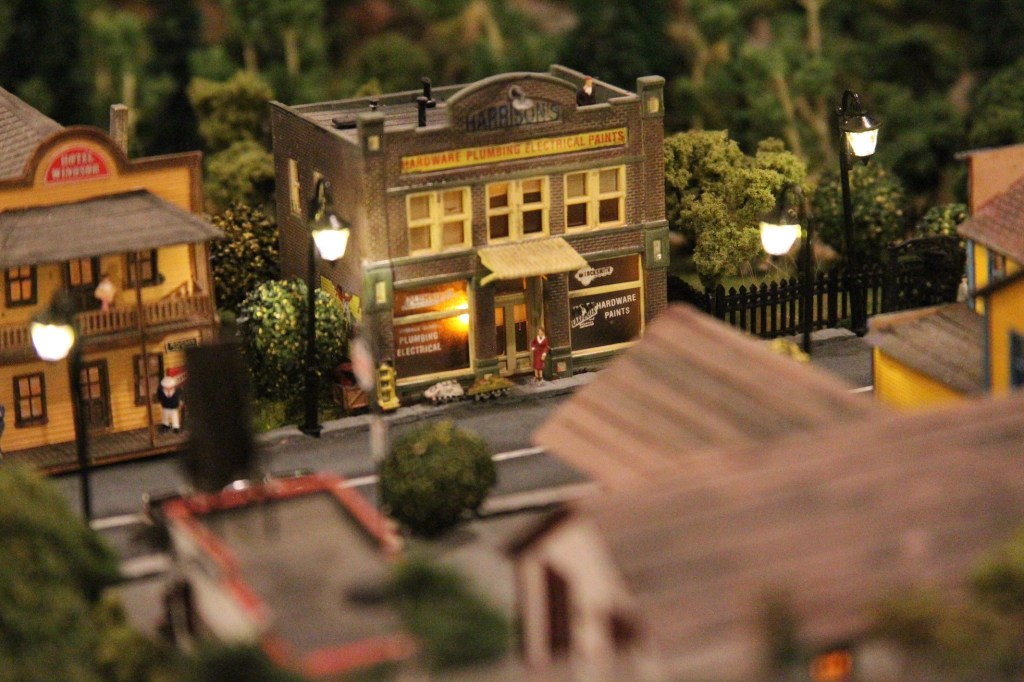
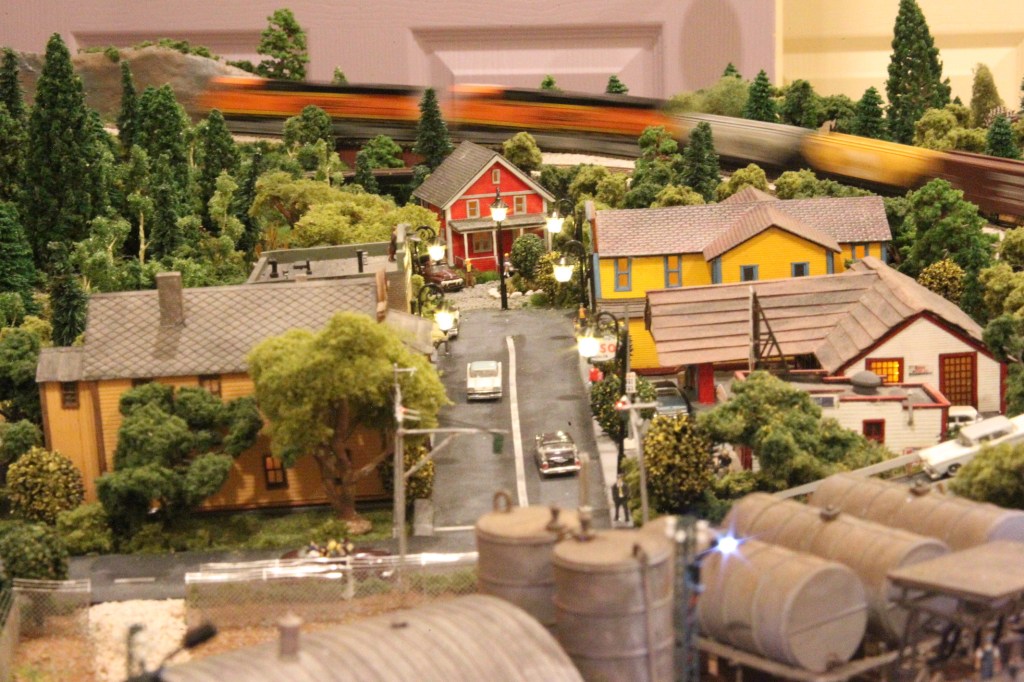
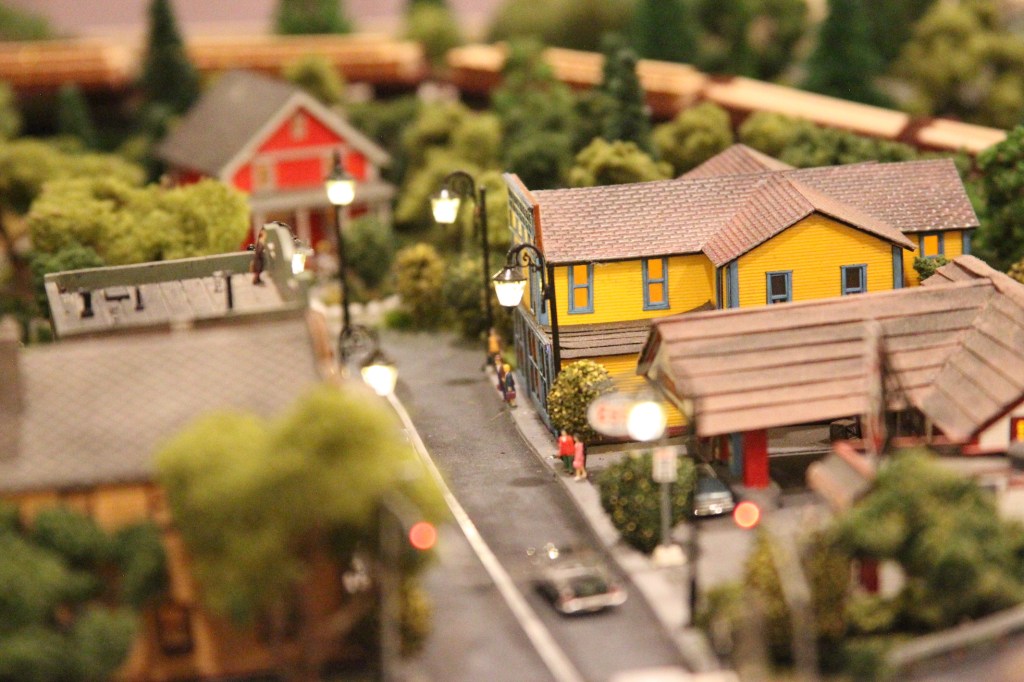
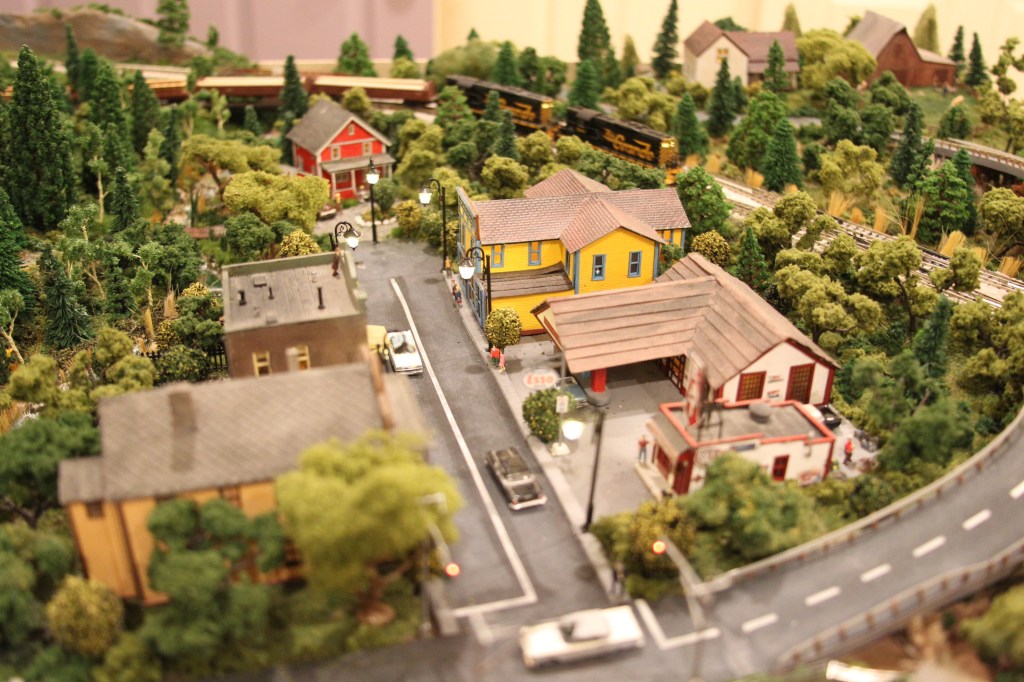
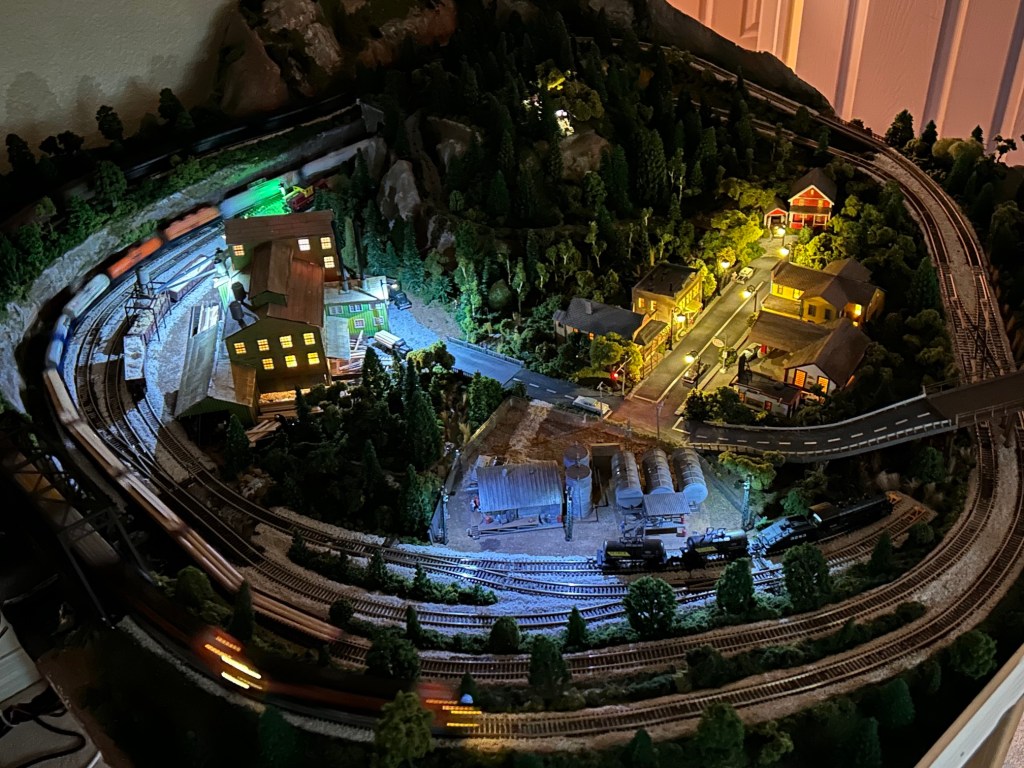
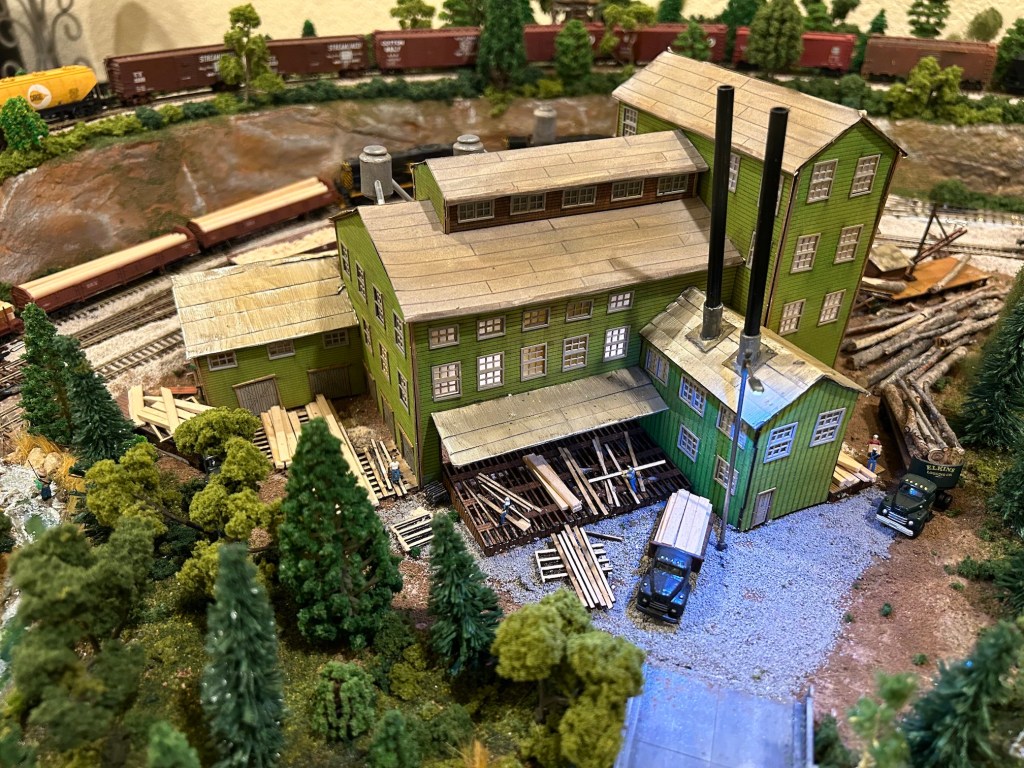
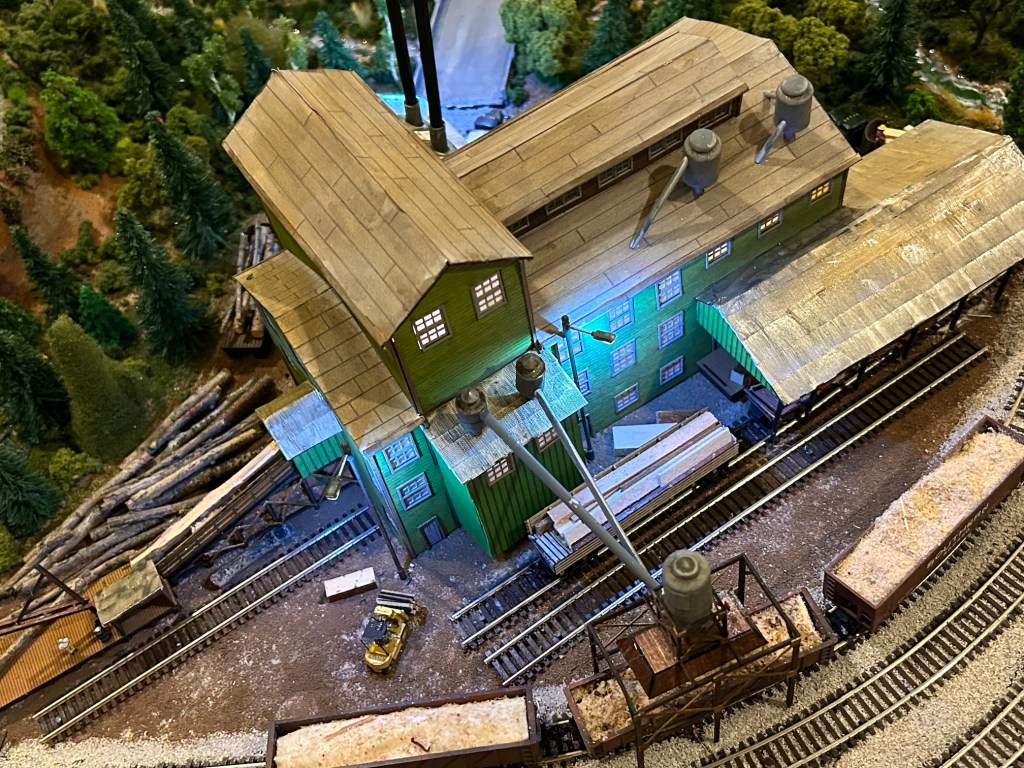
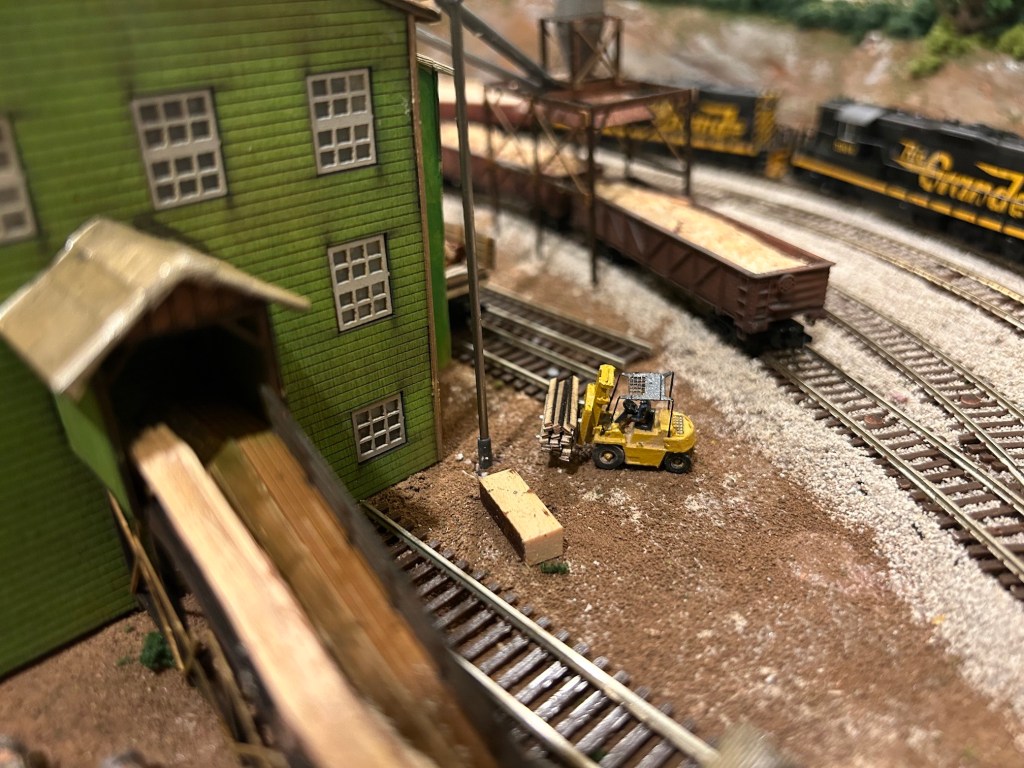
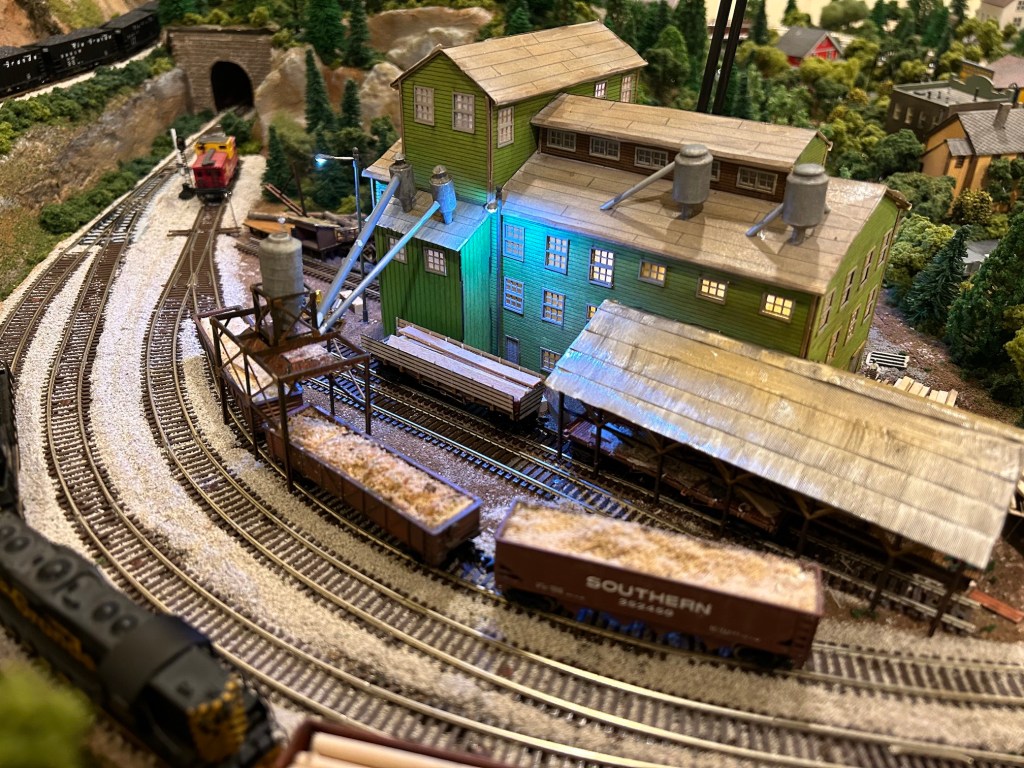
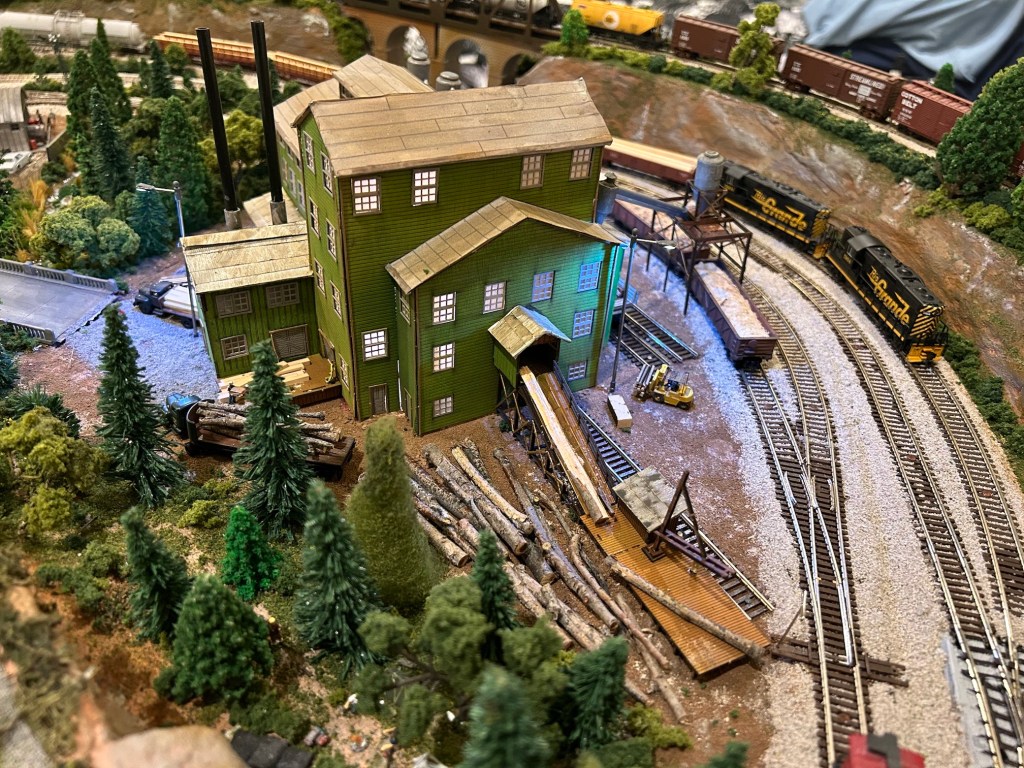
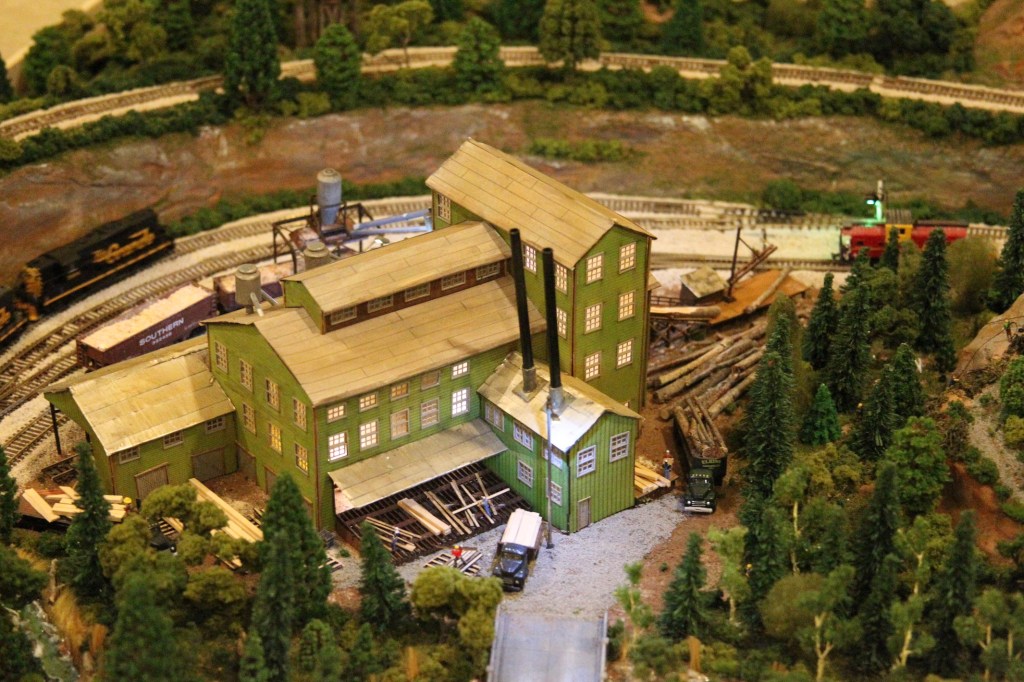
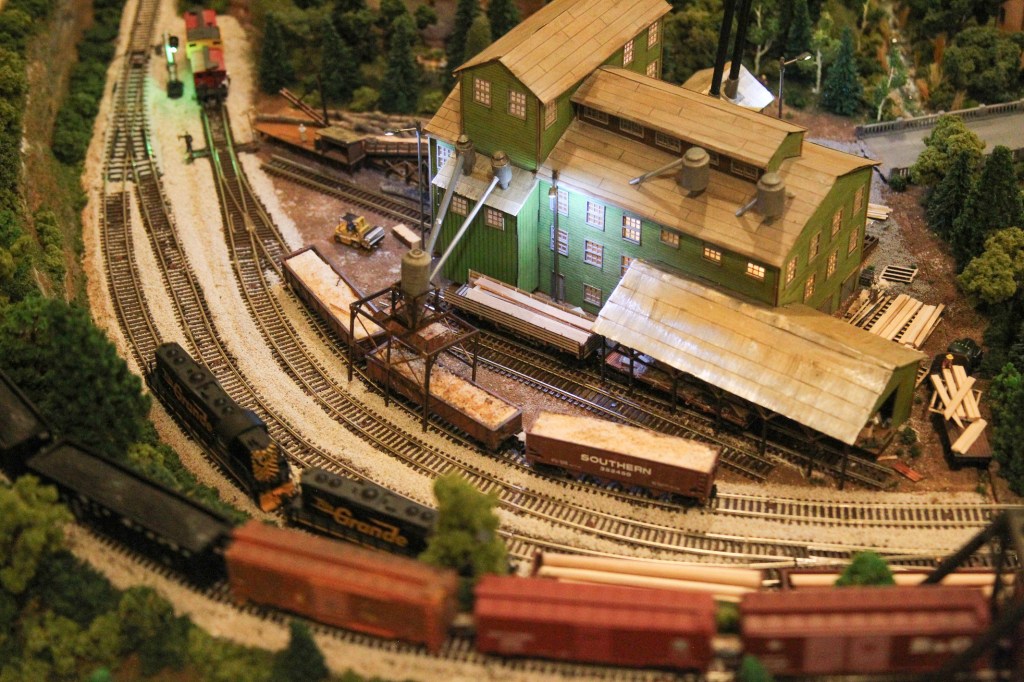
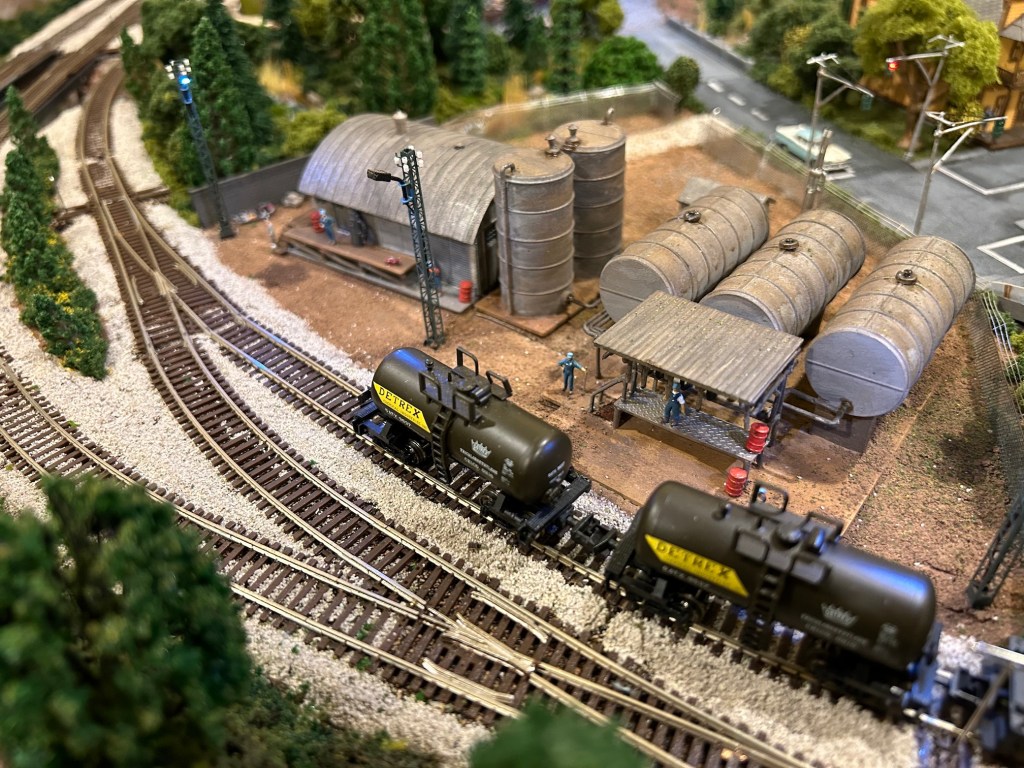
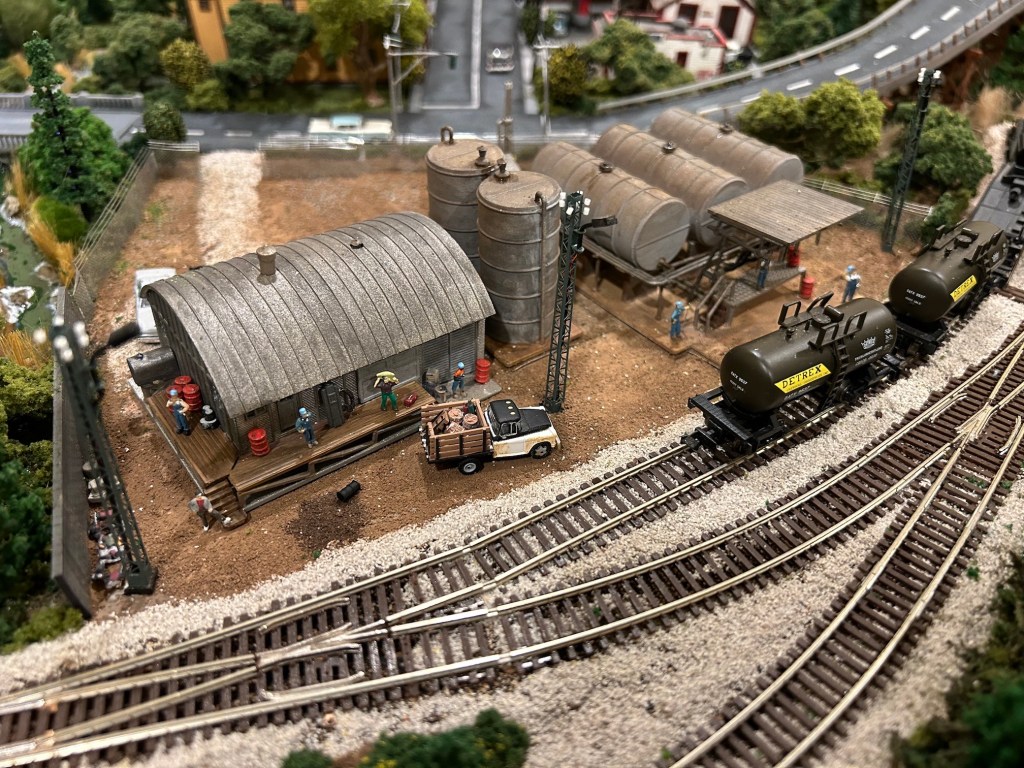
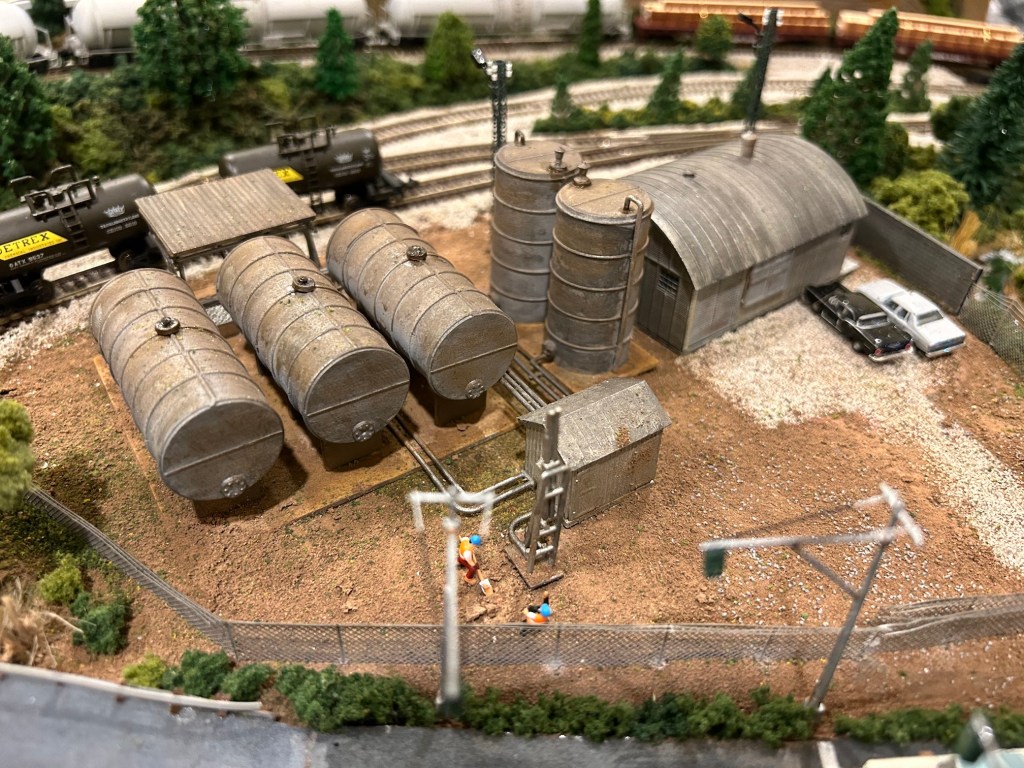
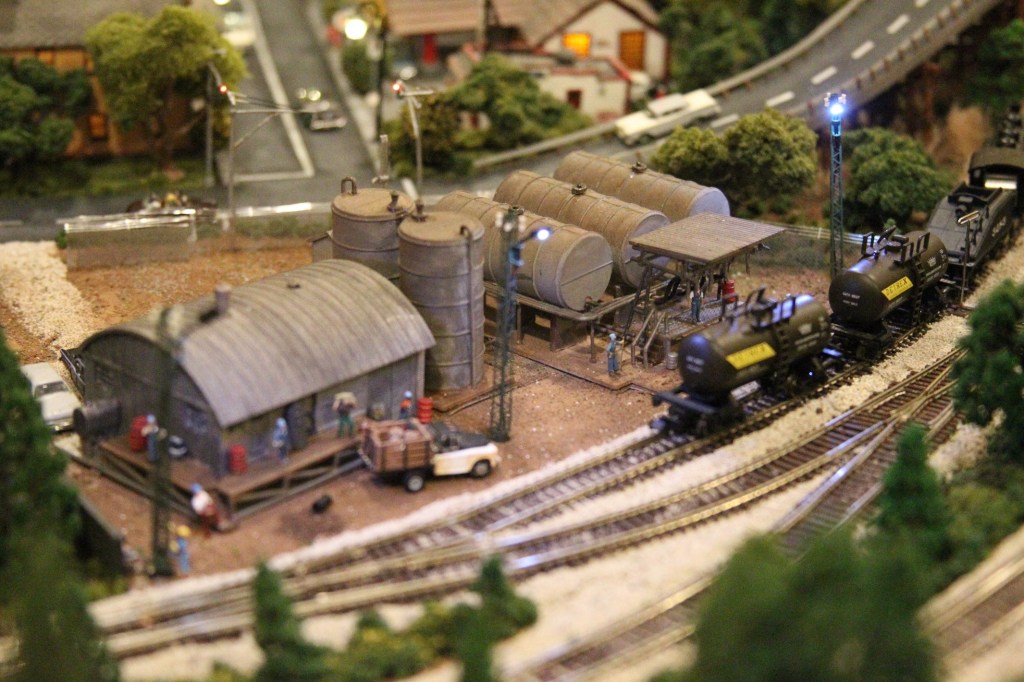
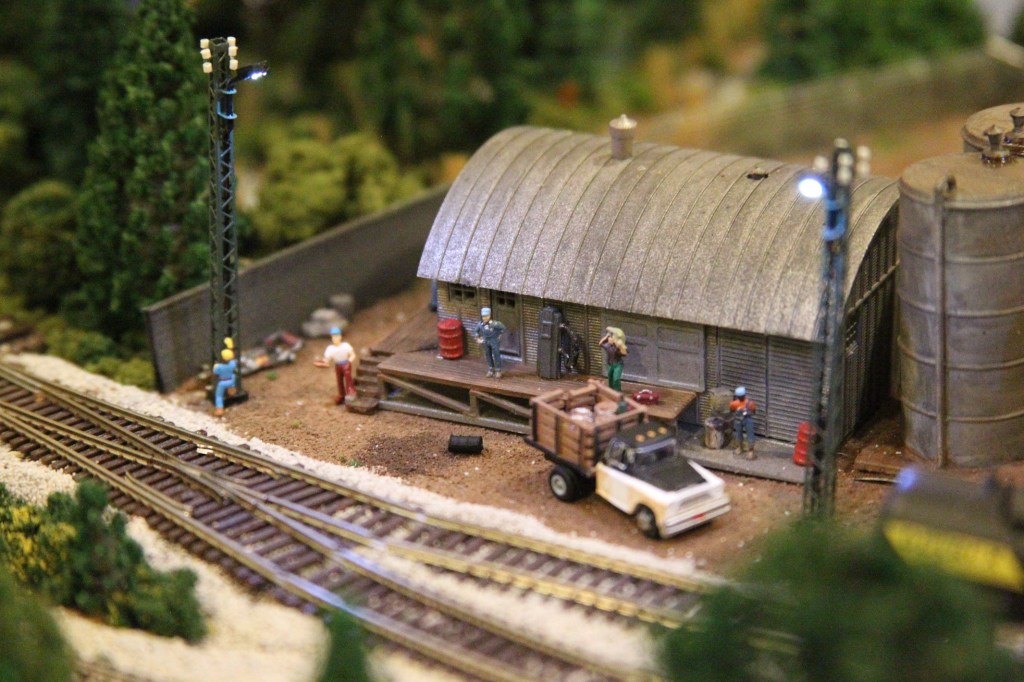
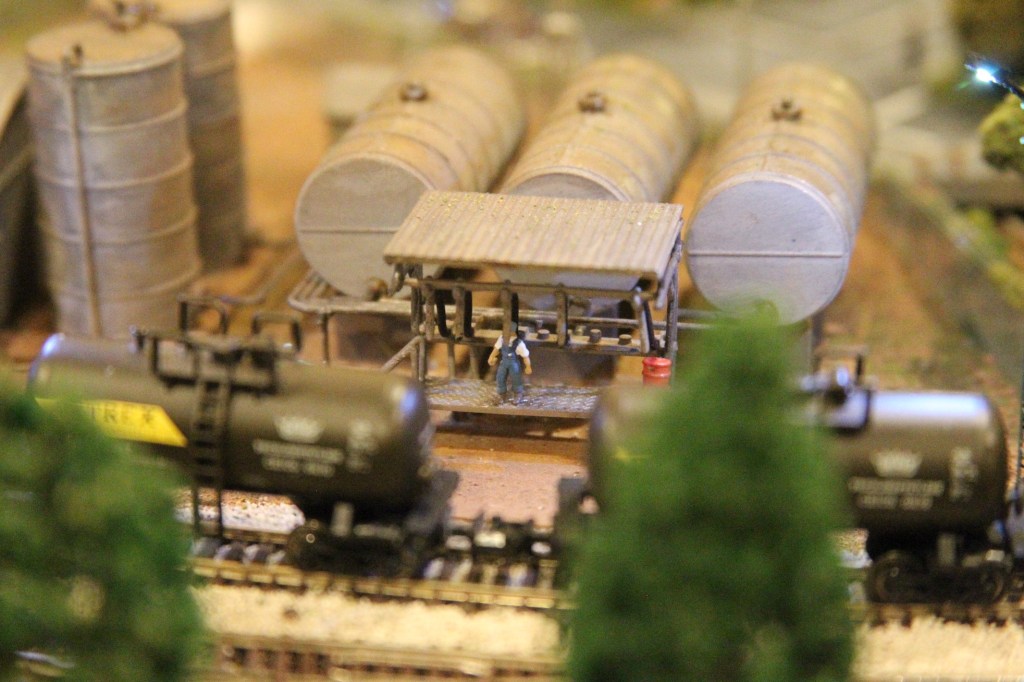
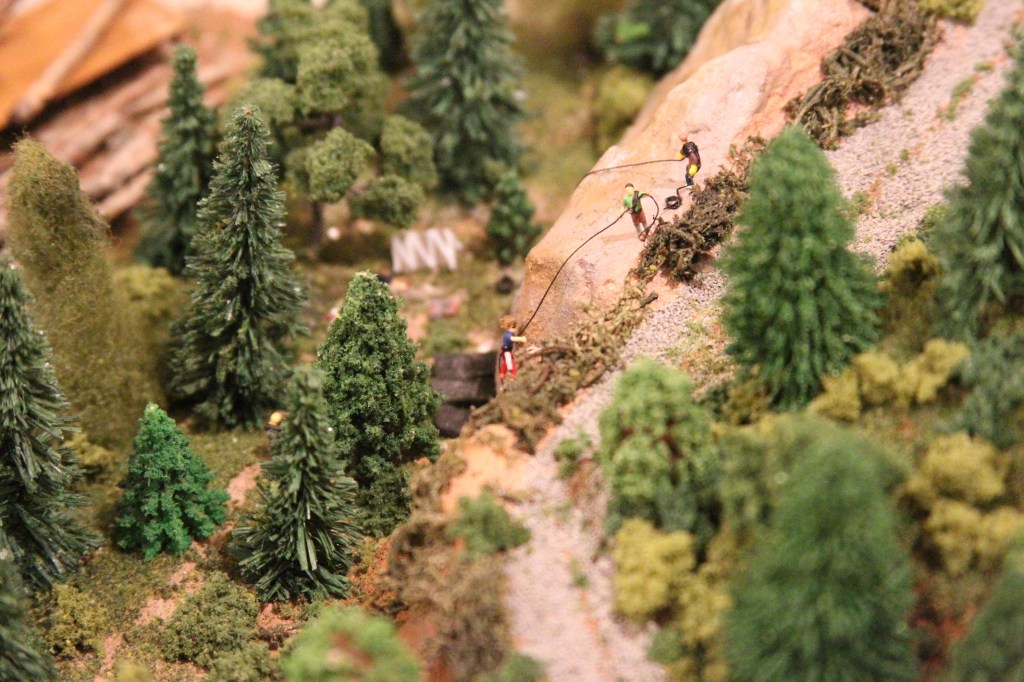
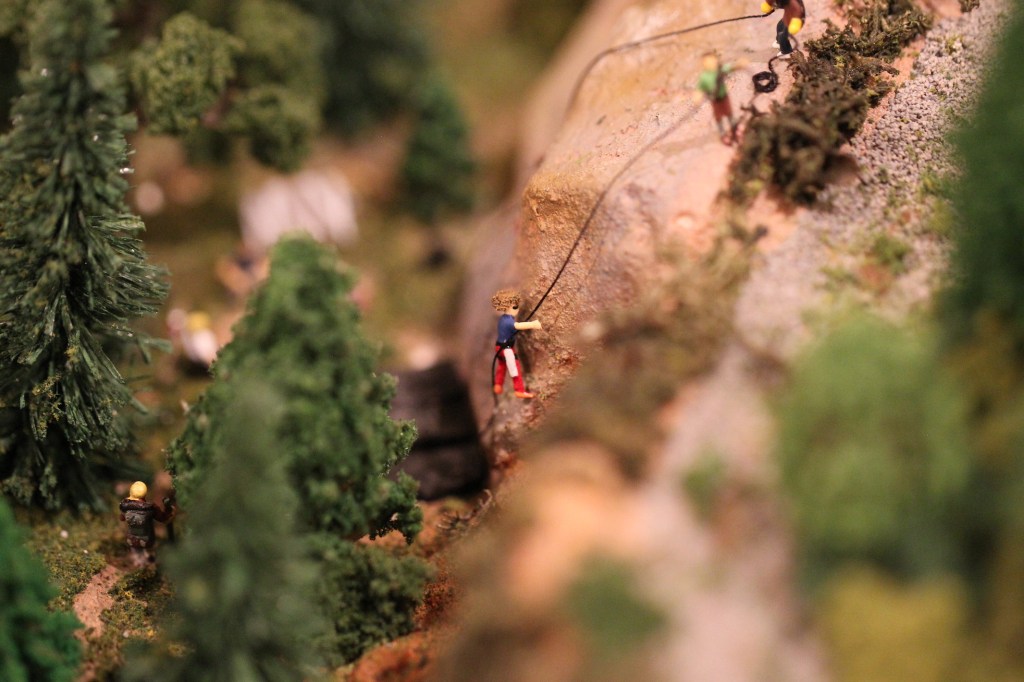
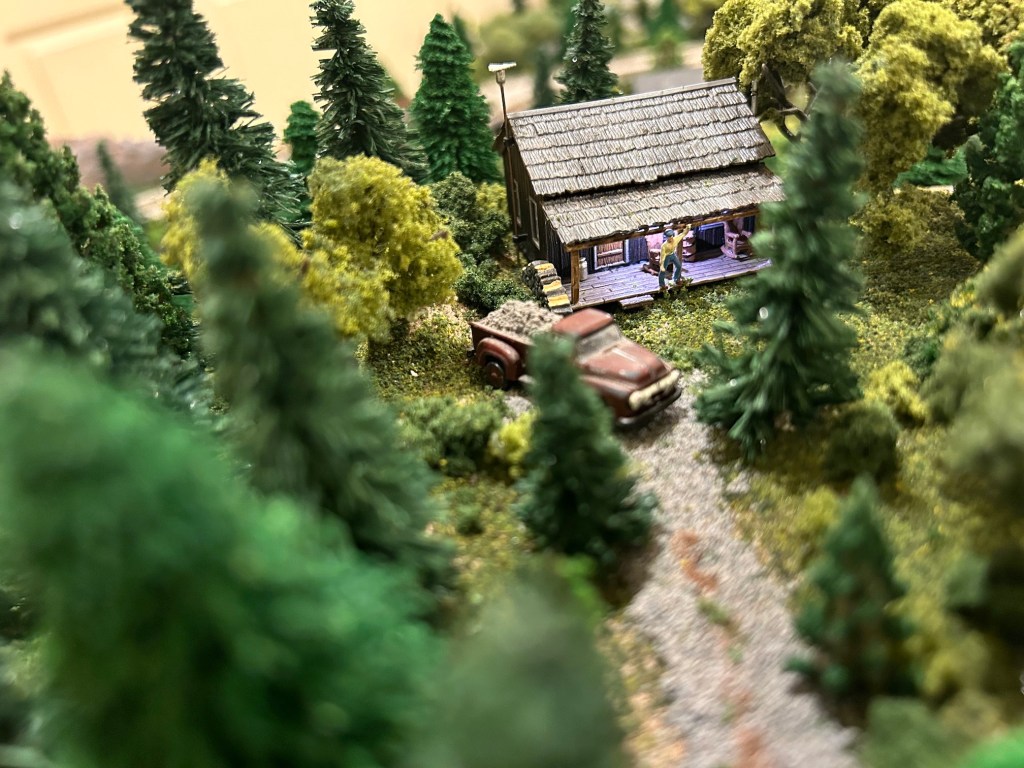
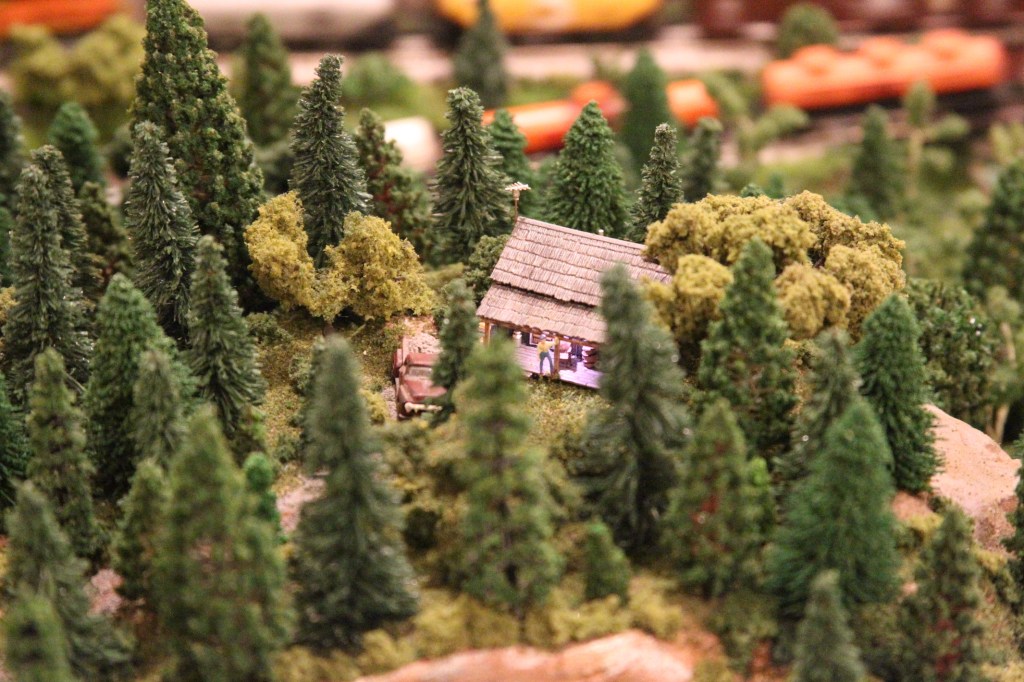
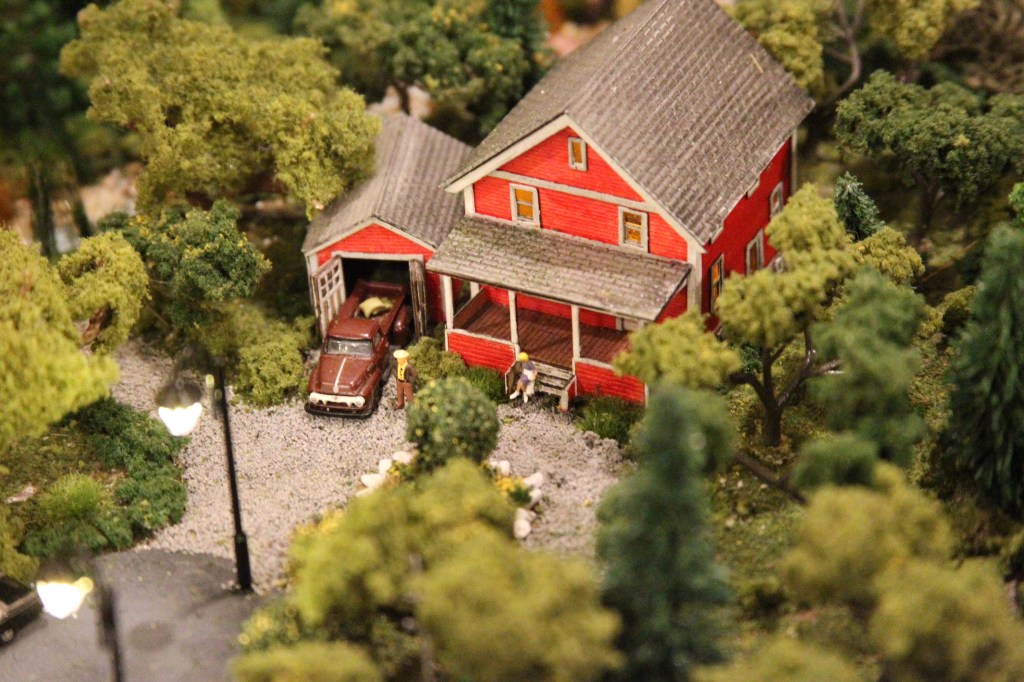
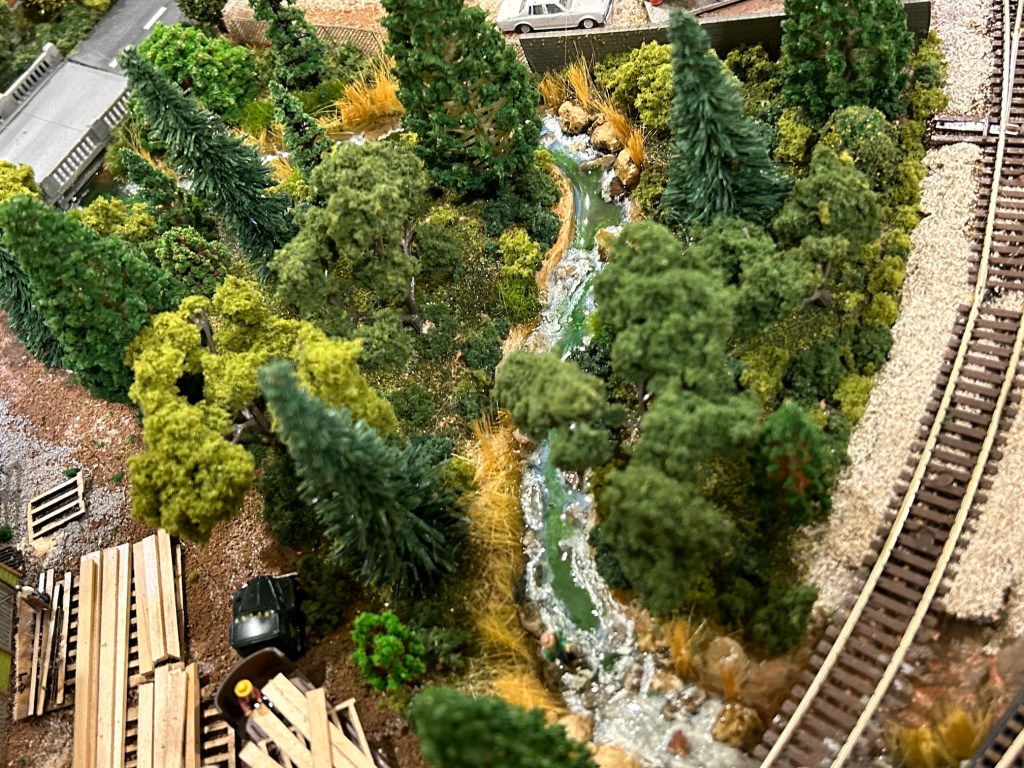
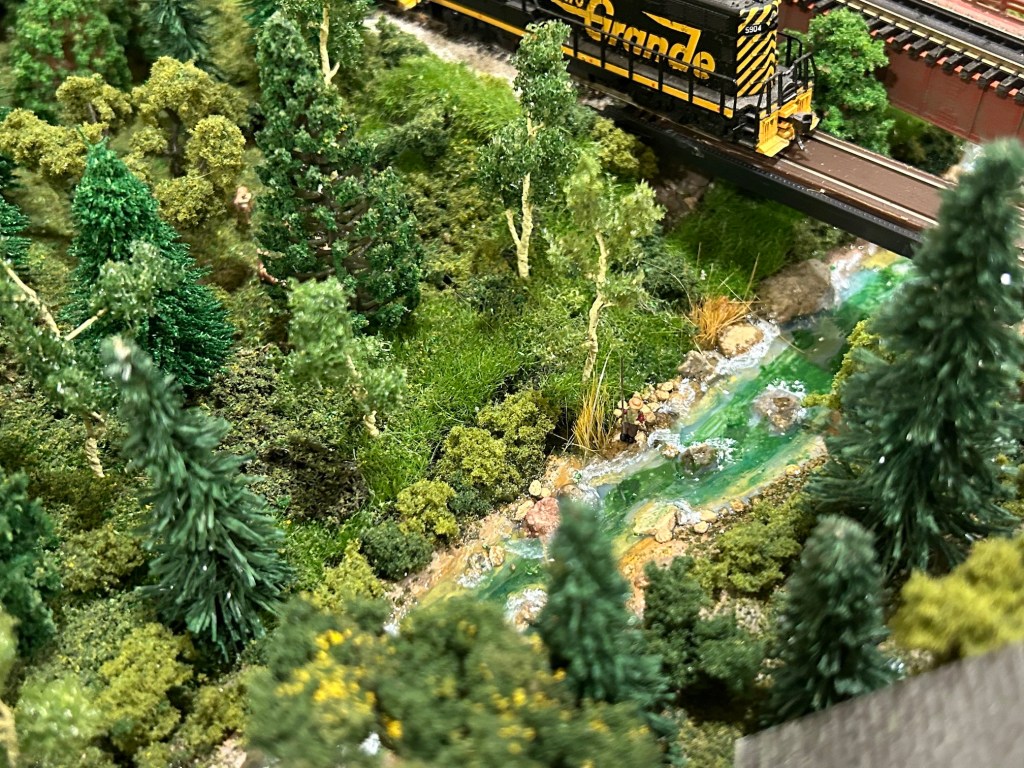
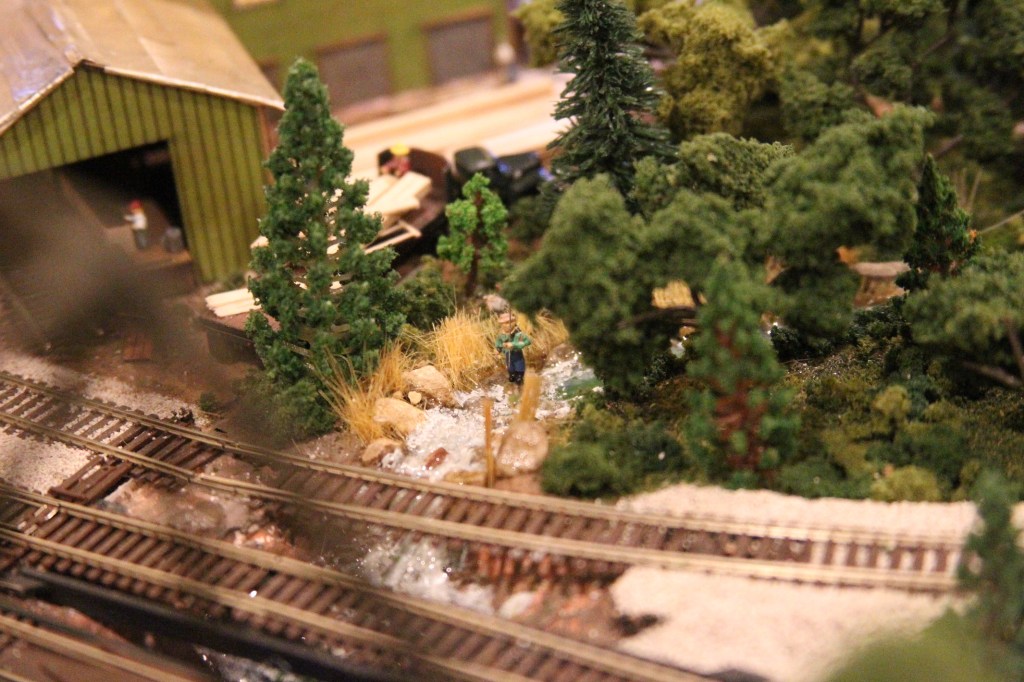
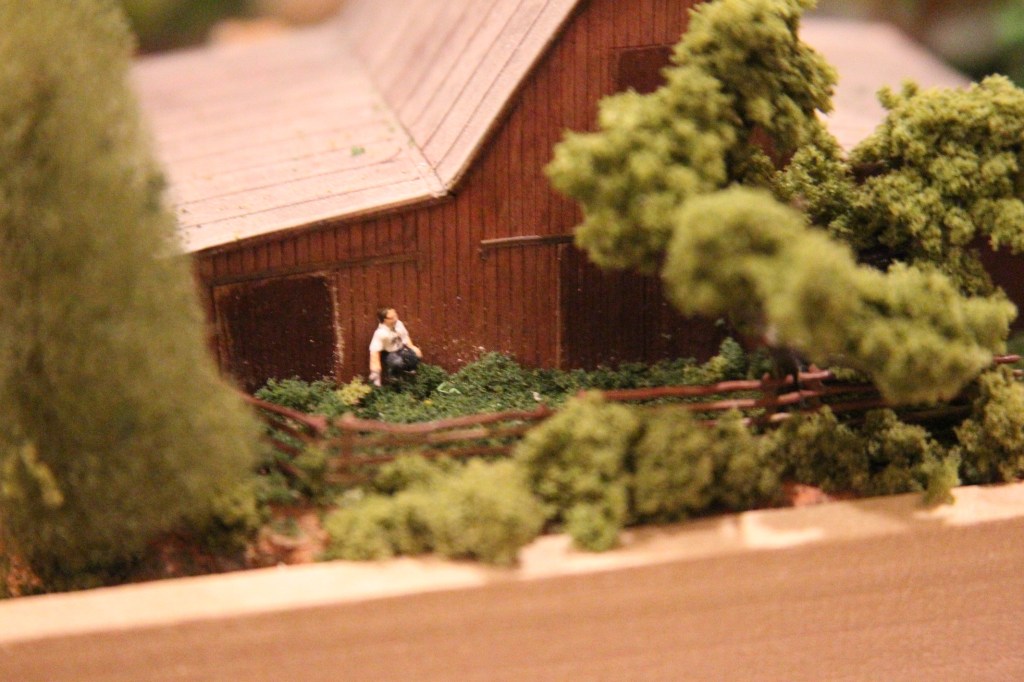
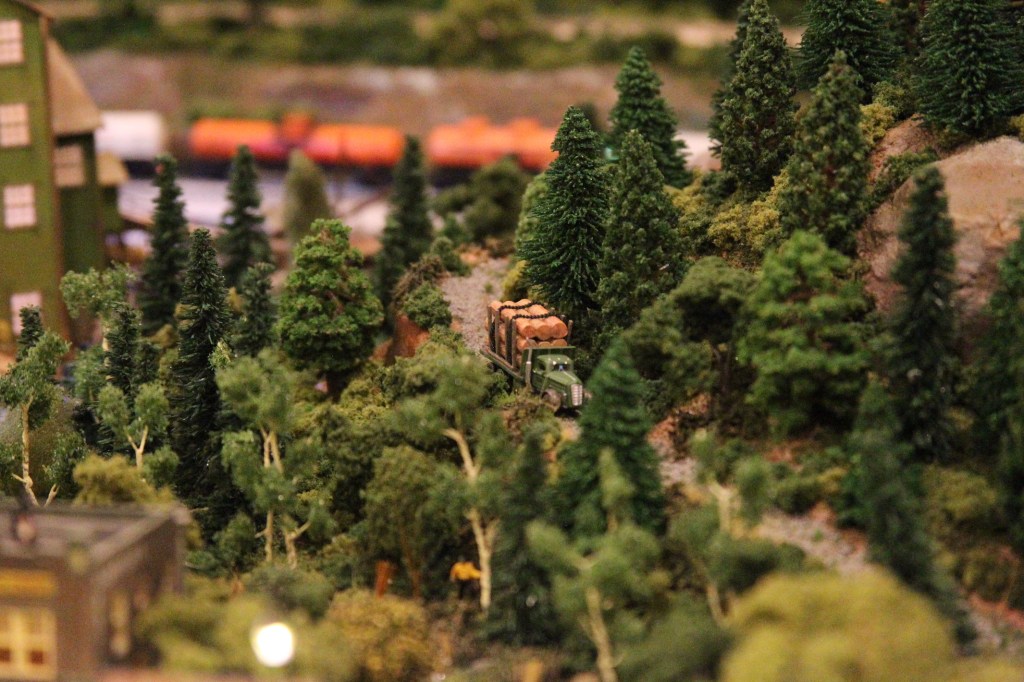
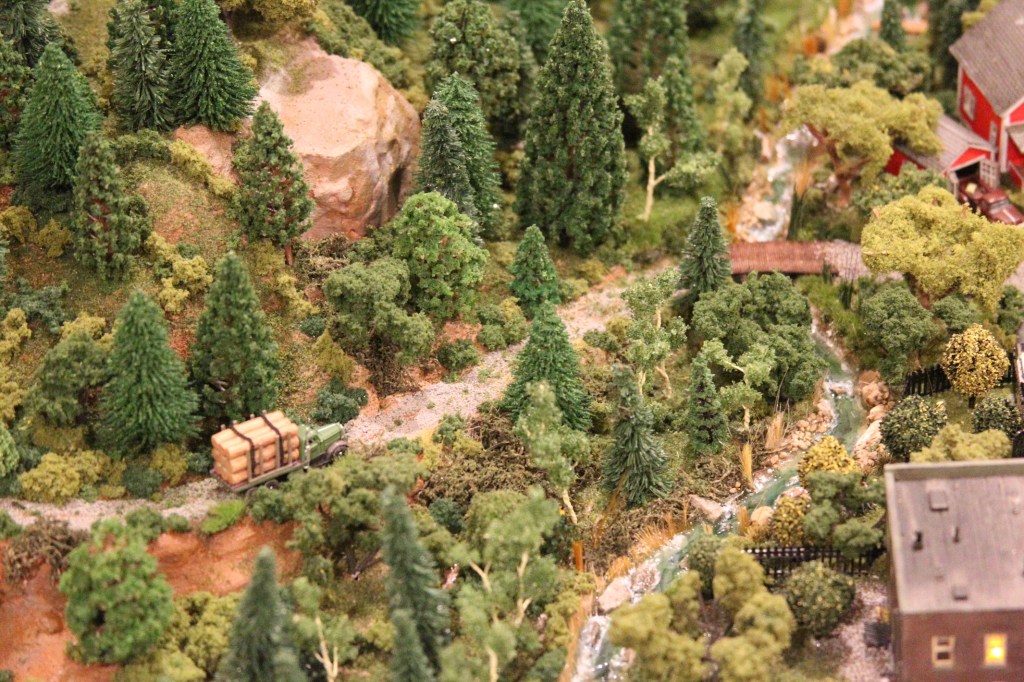
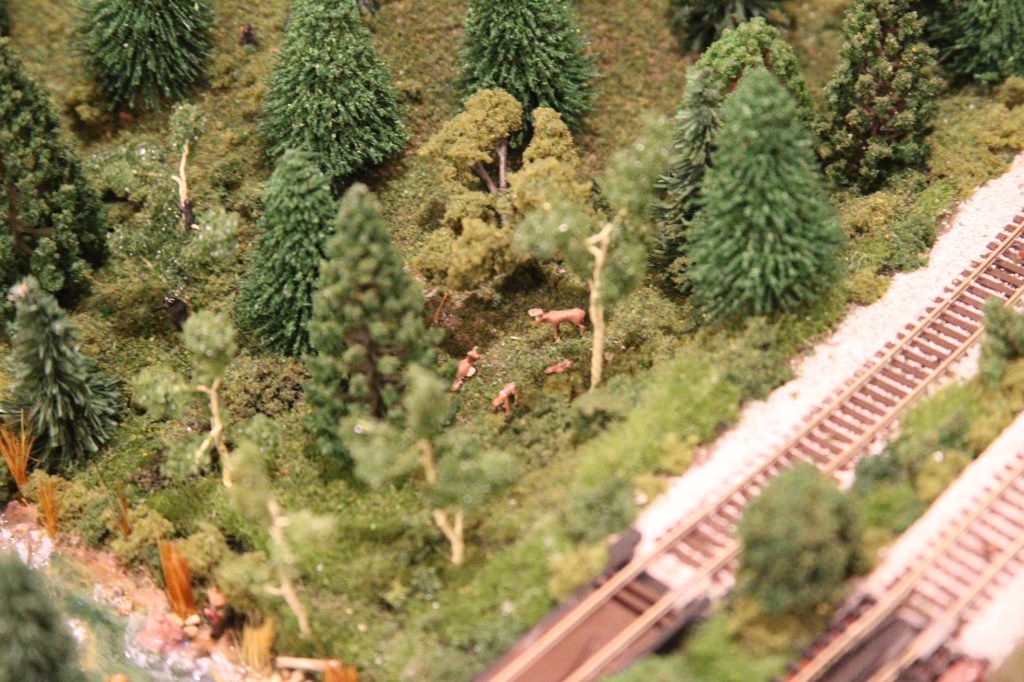
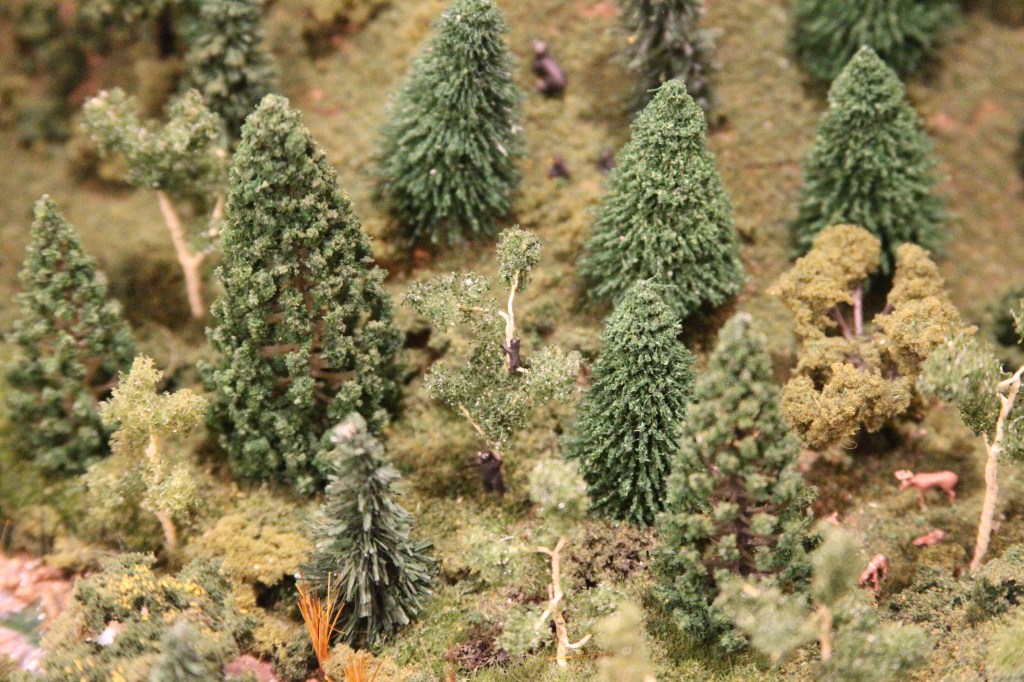
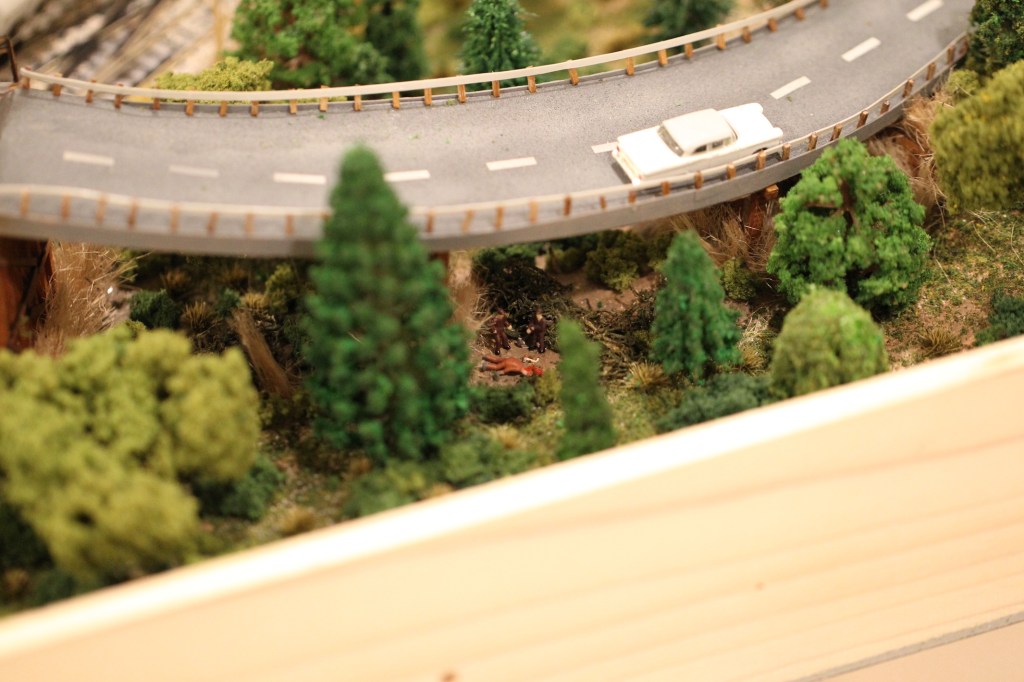
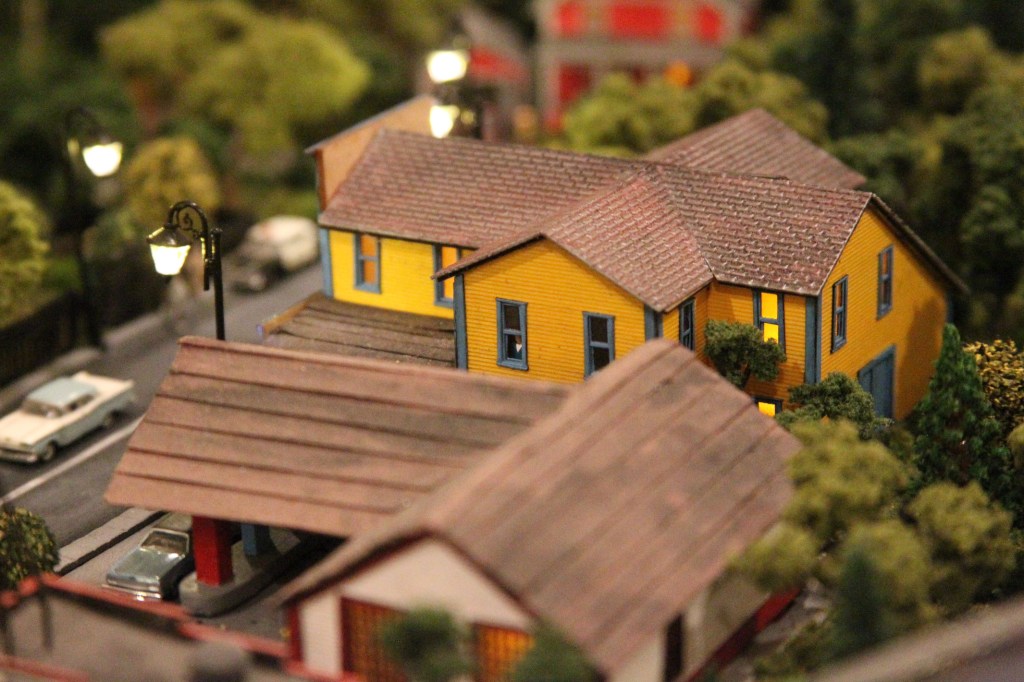
In 2009 I put together a very small, very basic N-scale layout. It was my first foray into any sort of scale railroad project. While simplistic, it gave me a feel for the details and was quite enjoyable. As I mention in my HMS Pegasus build, there came a point between finishing the main hull structure and starting the rigging where my interest wained and an 18 month gap in progress ensued. After looking at a couple of my ‘leftover’ pieces, I decided to plan, architect, and build another N-scale layout to get me back in the groove of at least building something.

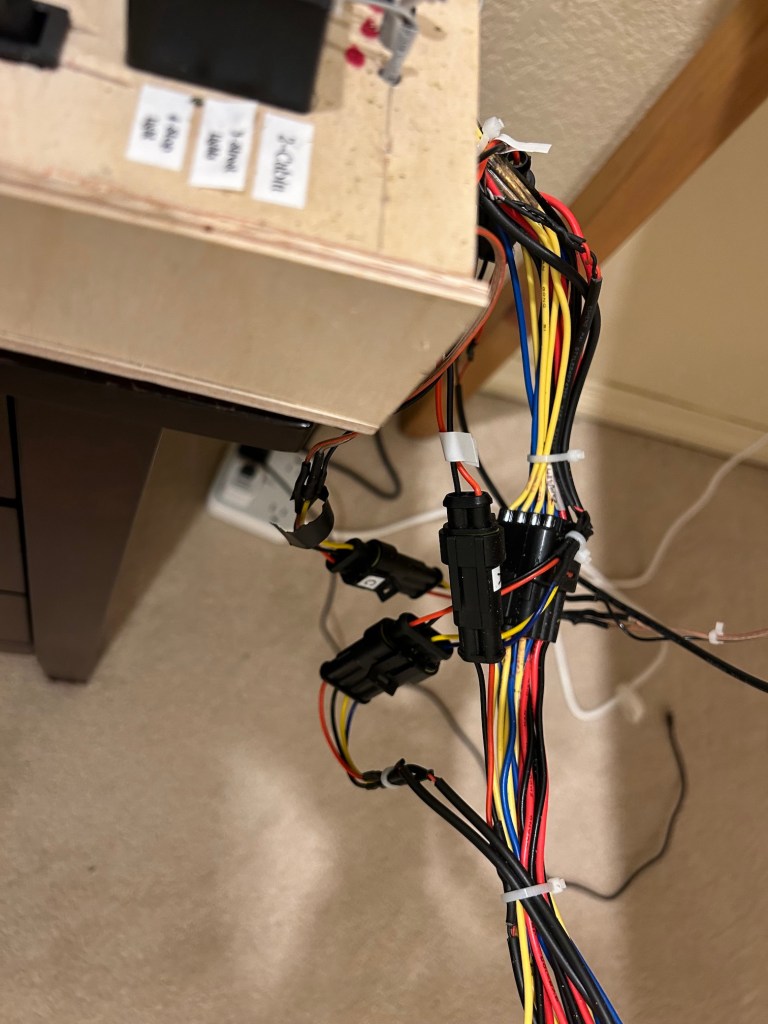
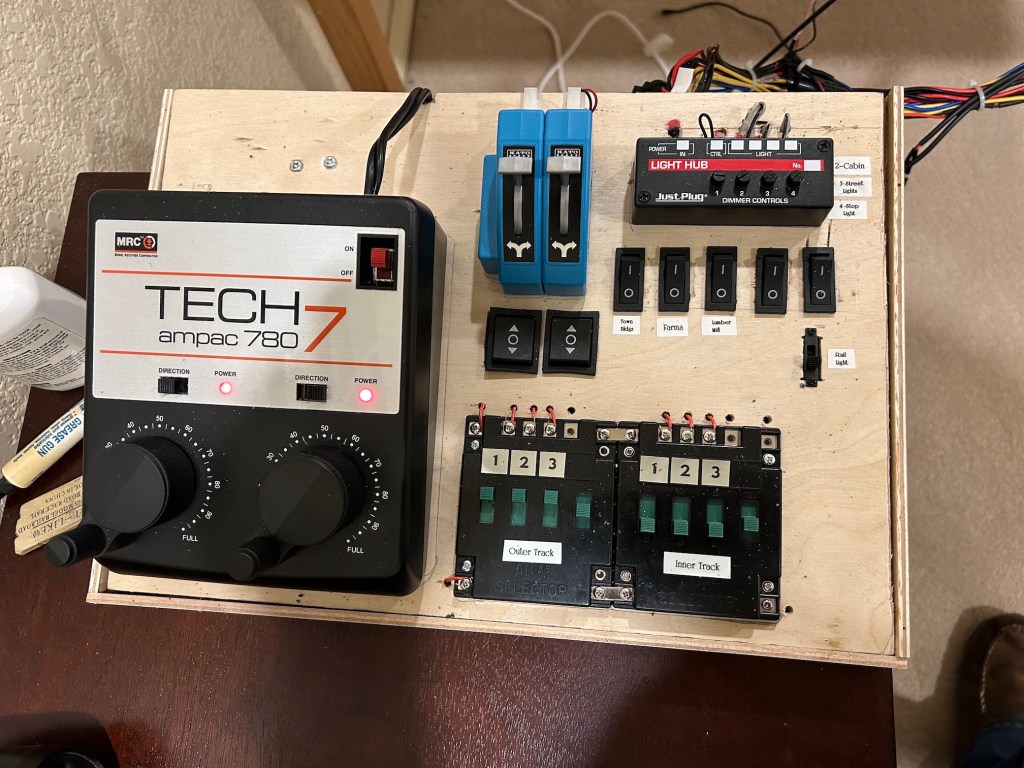
The layout is a 4′ by 4′ double track sectioned into three switchable segments with an additional ‘work yard’ section that can be independently switched. Two turnouts are switchable with another 5 manually switched. All of the electronics are grouped and connected with wiring harnesses that allow everything to be removed from the control panel. In addition, the entire layout is held together with cabinet latches on the underside and can be split apart into separate 2′ by 4′ pieces allowing it to be transported or stored.

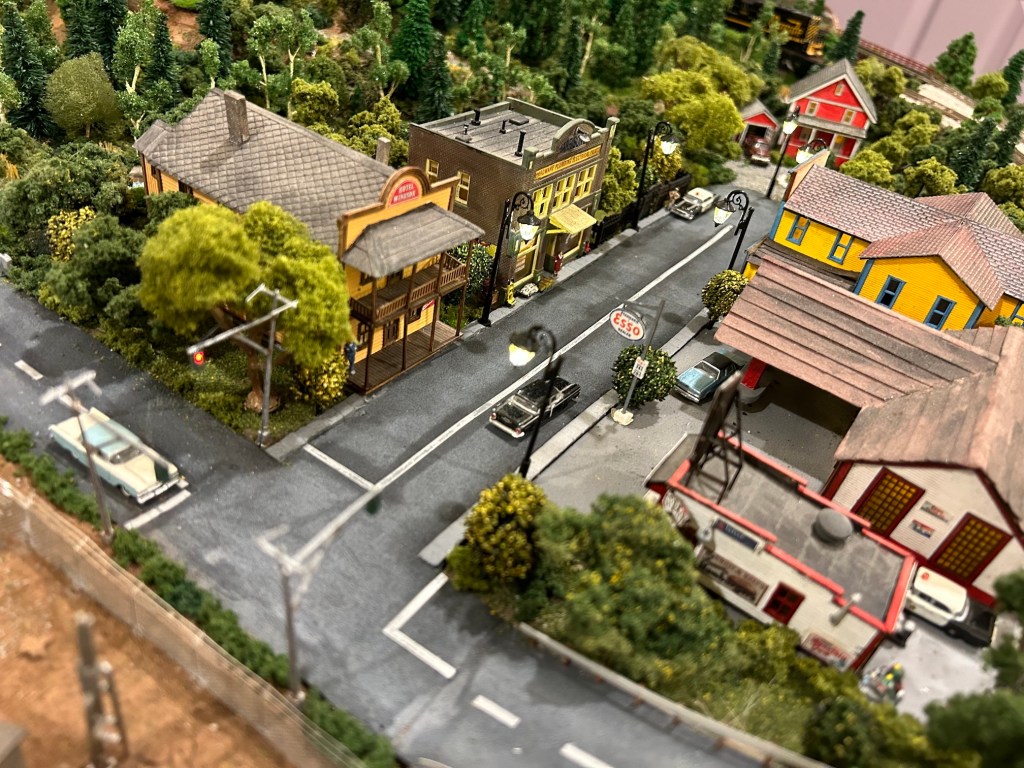
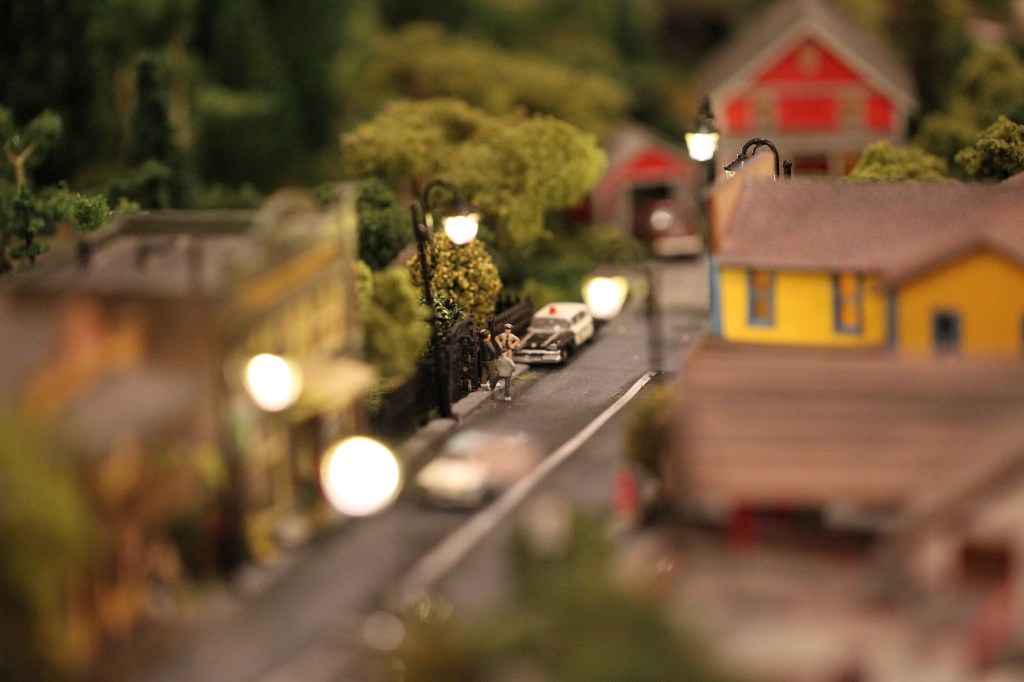
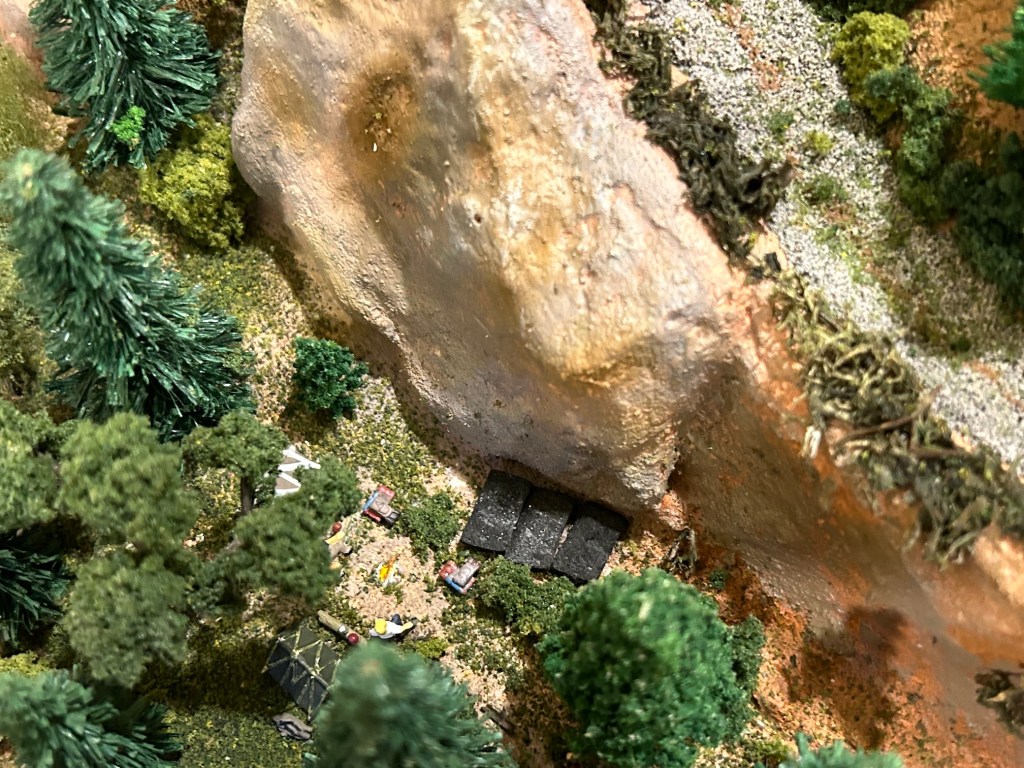
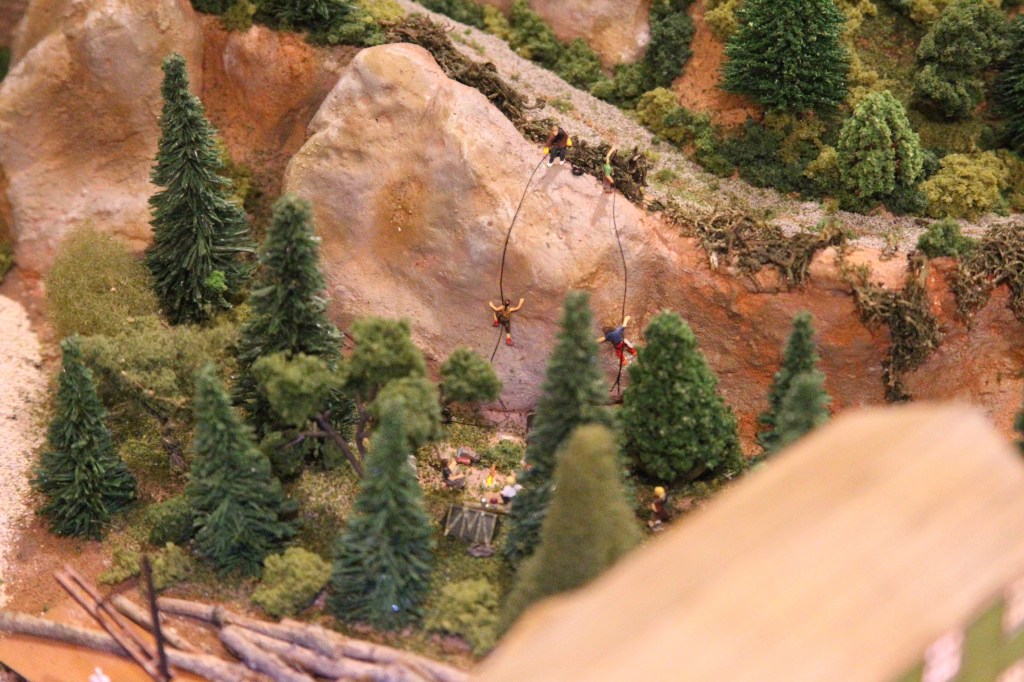
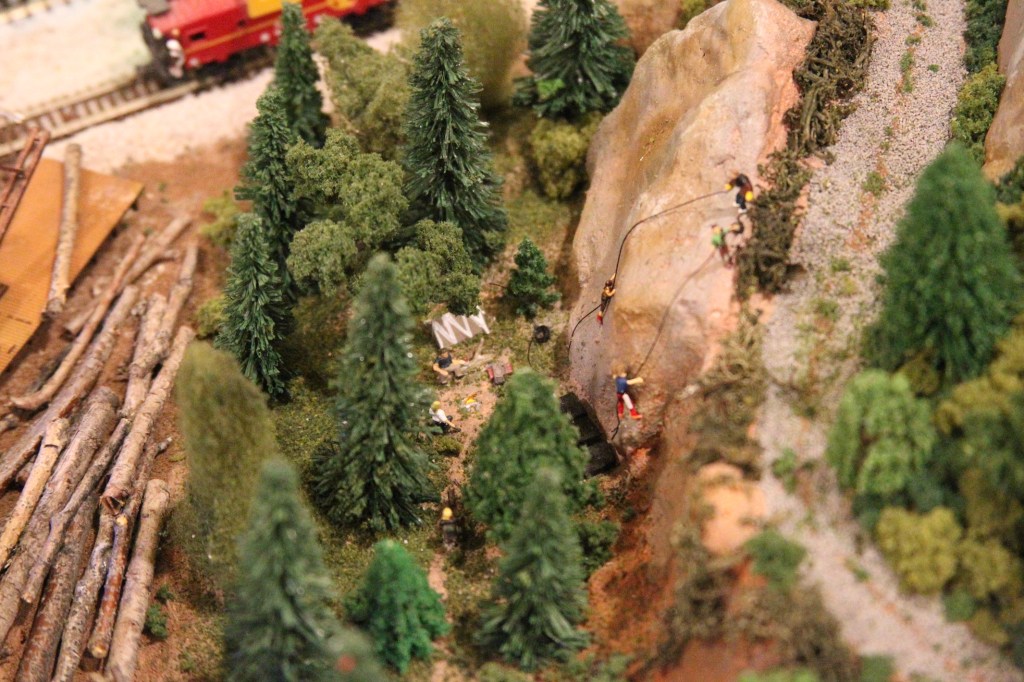
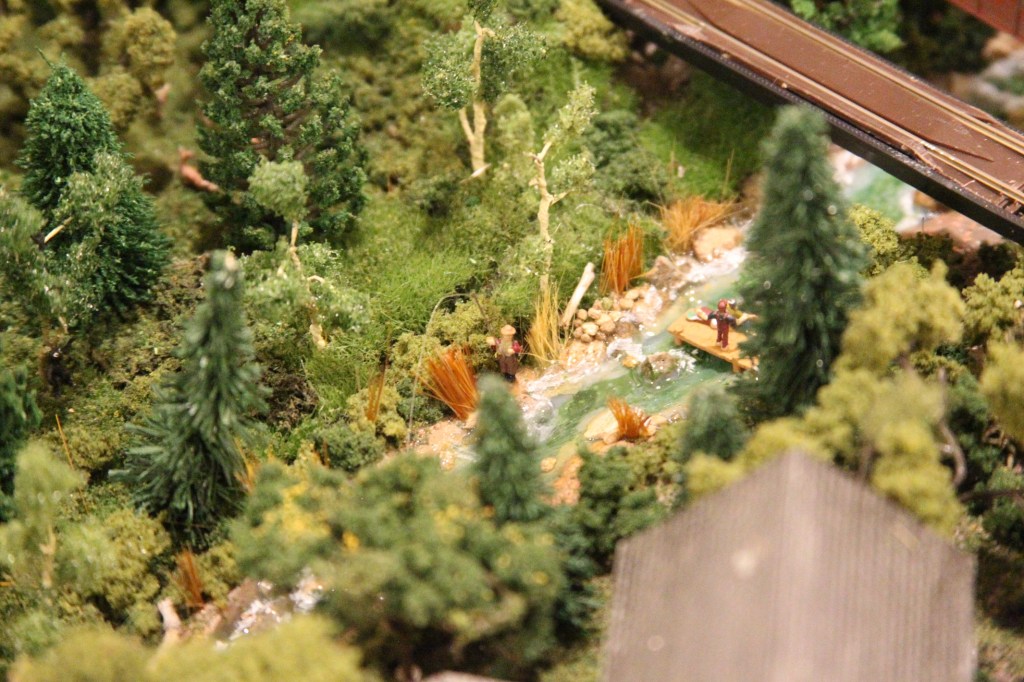
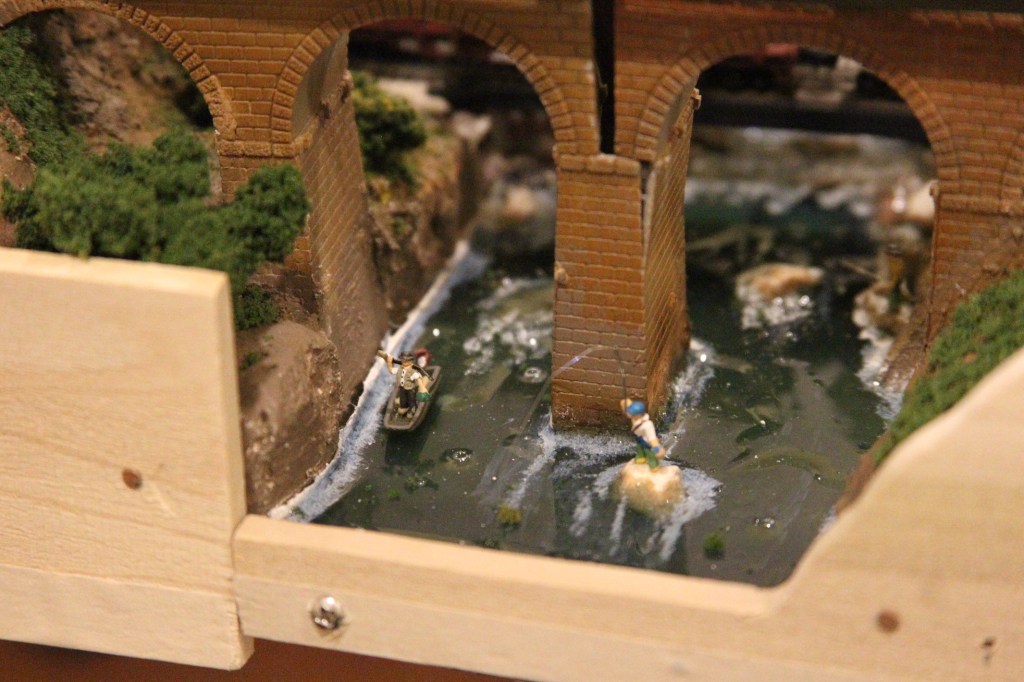
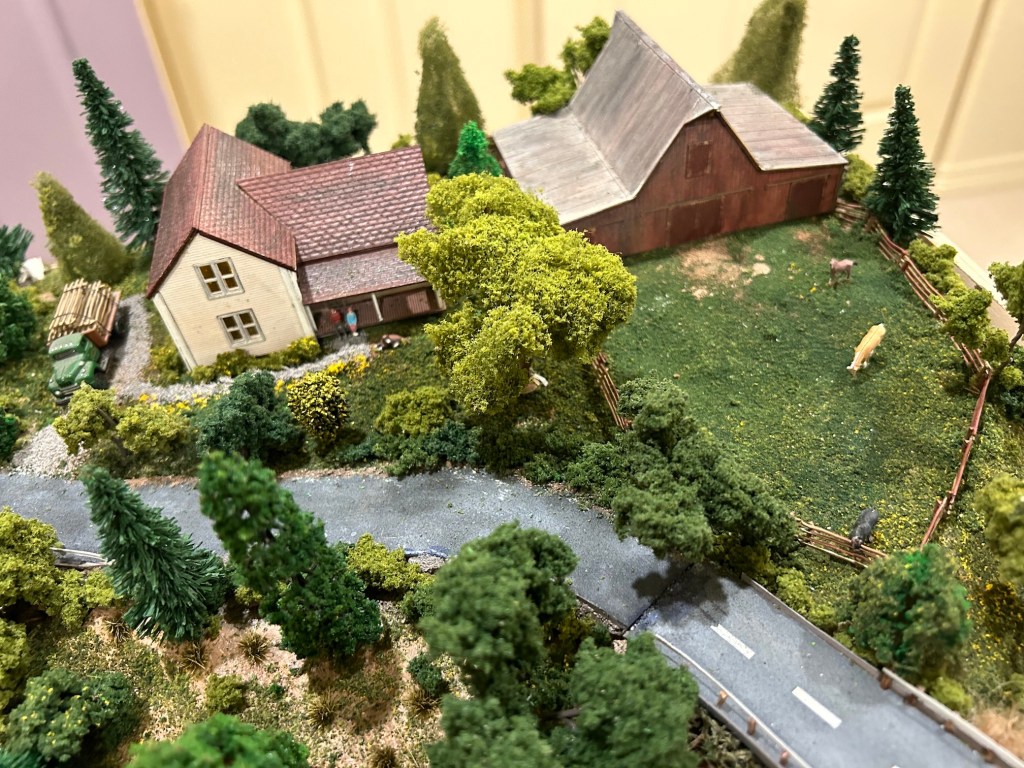
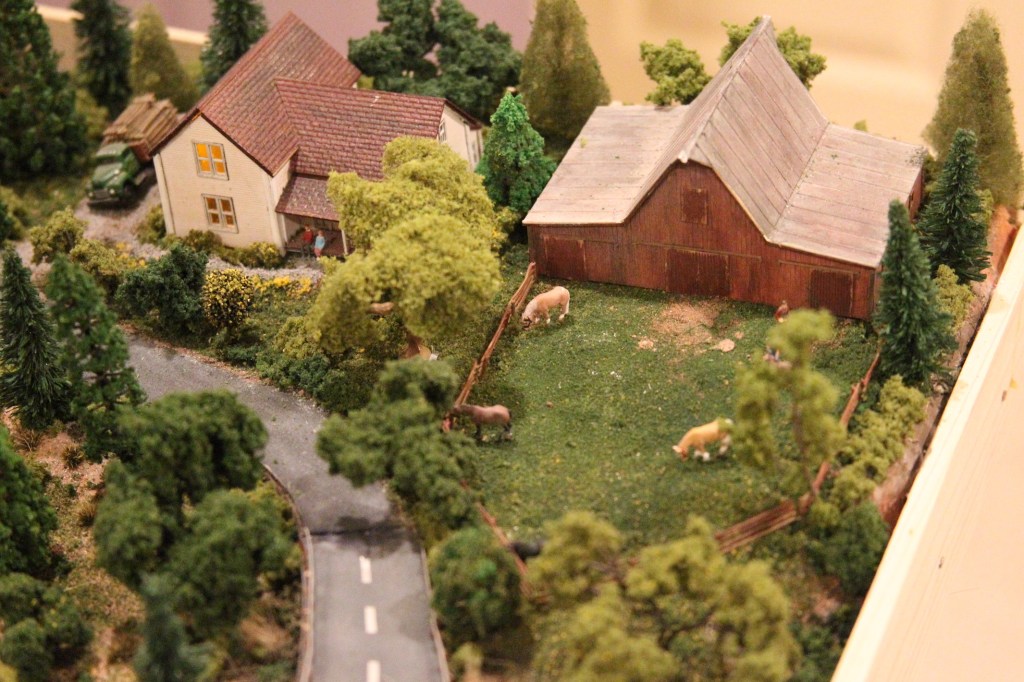
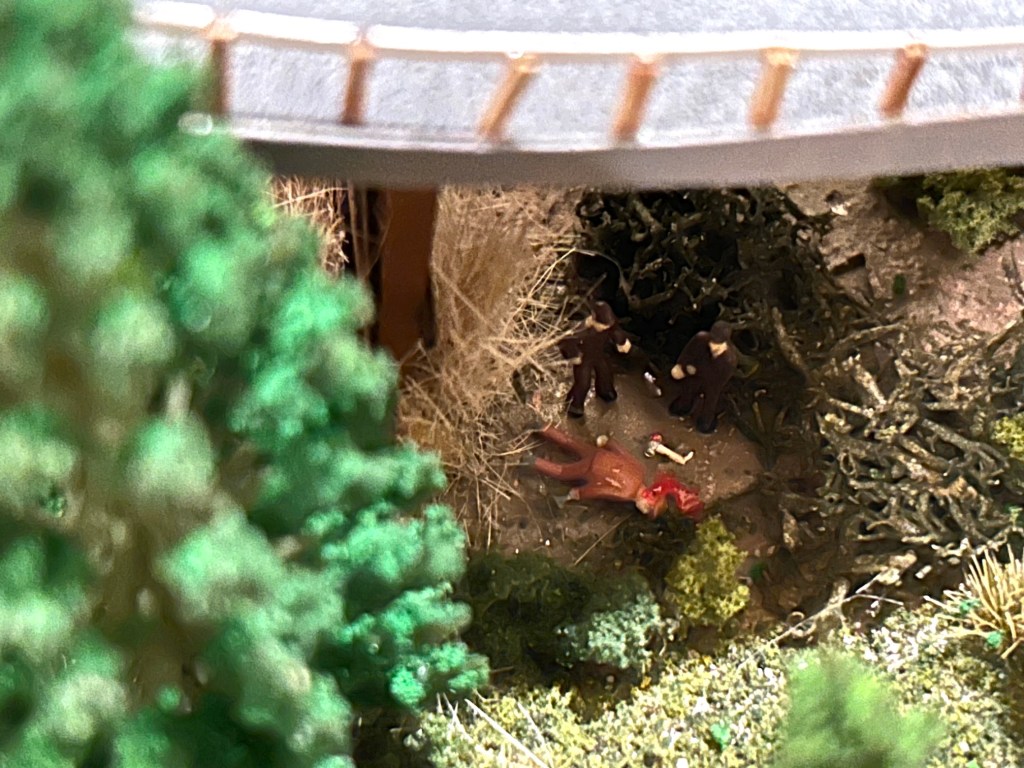
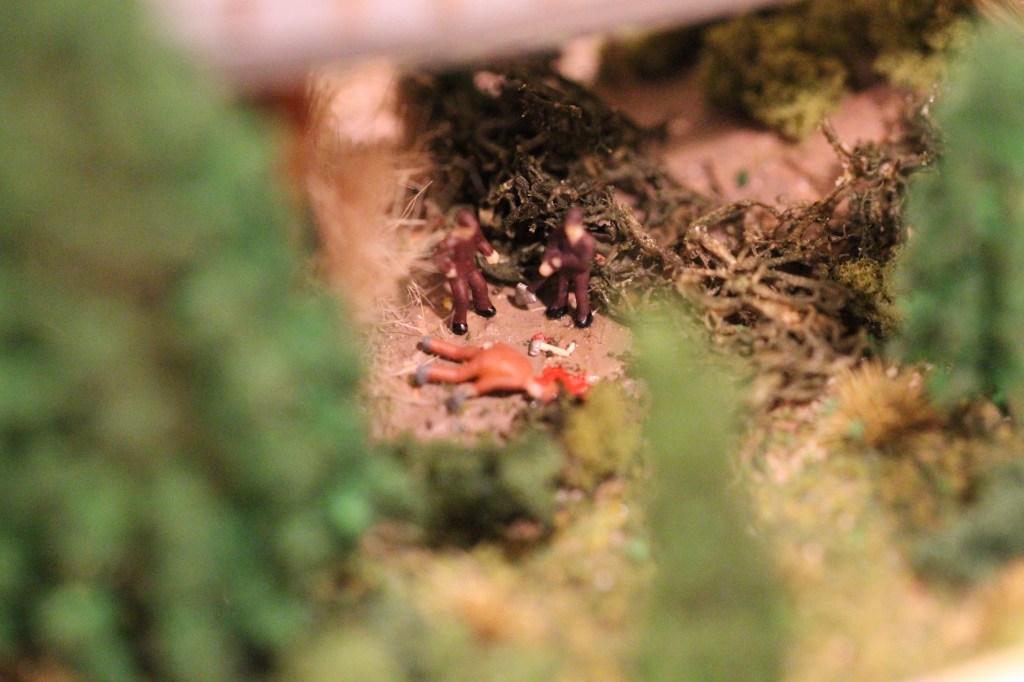
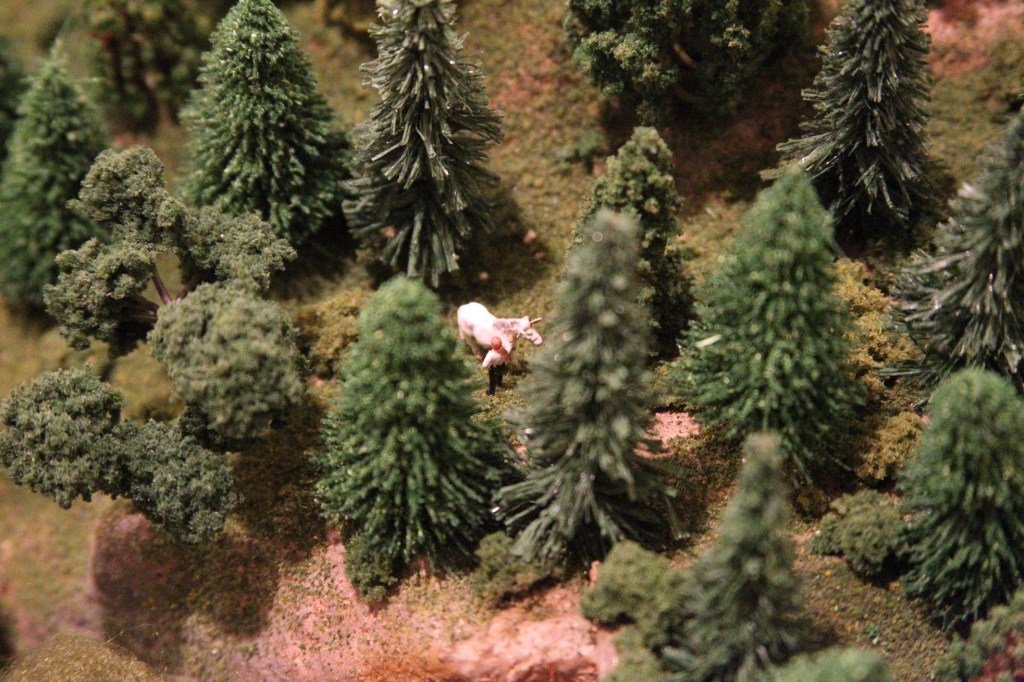
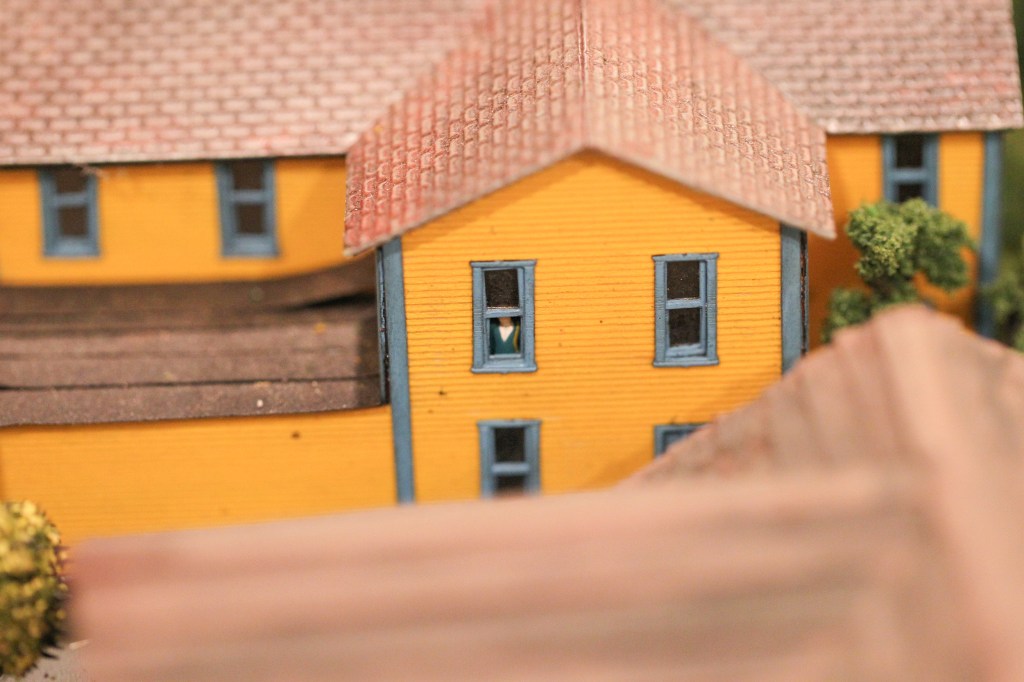
The name “Glenwood Creek” comes from the small creek that runs through the length of the fictional village – which is a combination of my Pacific Northwest upbringing and one of my wife’s favorite places to visit in the mountains of Colorado – Glenwood Springs. I’ve included all of my four adult children in the layout, as well as a few fun little scenes that allow the viewer to come up with their own explanation or storyline.